How Long Do Antibiotics Take To Work? A Blog to Faster Recovery
Antibiotics are powerful tools in modern medicine, helping your body fight back against bacterial infections — from mild urinary infections to life-threatening pneumonia.
But many patients still wonder:
“How long do antibiotics take to work?”
“Why don’t I feel better immediately after taking the first dose?”
“What if my infection doesn’t respond?”
In this blog, we’ll answer those questions, discuss antibiotics tablets vs IV forms, highlight potential antibiotics side effects, and introduce a few next-generation antibiotics doctors rely on when infections become complicated or resistant.
When Will You Start To Feel Better?

Most antibiotics start working within hours, but noticeable symptom relief typically occurs within 1 to 3 days — depending on the infection type, severity, and the antibiotic used.
Here’s a quick overview:
| Infection Type | Time to Improvement |
|---|---|
| Urinary Tract Infections (UTIs) | 1–2 days |
| Skin and Soft Tissue Infections | 2–3 days |
| Community-Acquired Pneumonia (CAP) | 2–5 days |
| Intra-Abdominal Infections (CIAIs) | 3–5 days |
| Hospital-Acquired/Resistant Infections | 4–7 days or longer |
Important: Always finish the full course of antibiotics tablets or injections, even if symptoms improve. Stopping early can lead to antibiotic resistance and infection recurrence.
What If First-Line Antibiotics Don’t Work?
Some bacteria have become resistant to common antibiotics like amoxicillin or ciprofloxacin. In such cases, infectious disease specialists turn to advanced treatments — newer antibiotics that target multi-drug resistant bacteria.
Here are four innovative options used in more serious or resistant cases:
Xerava® (Eravacycline)
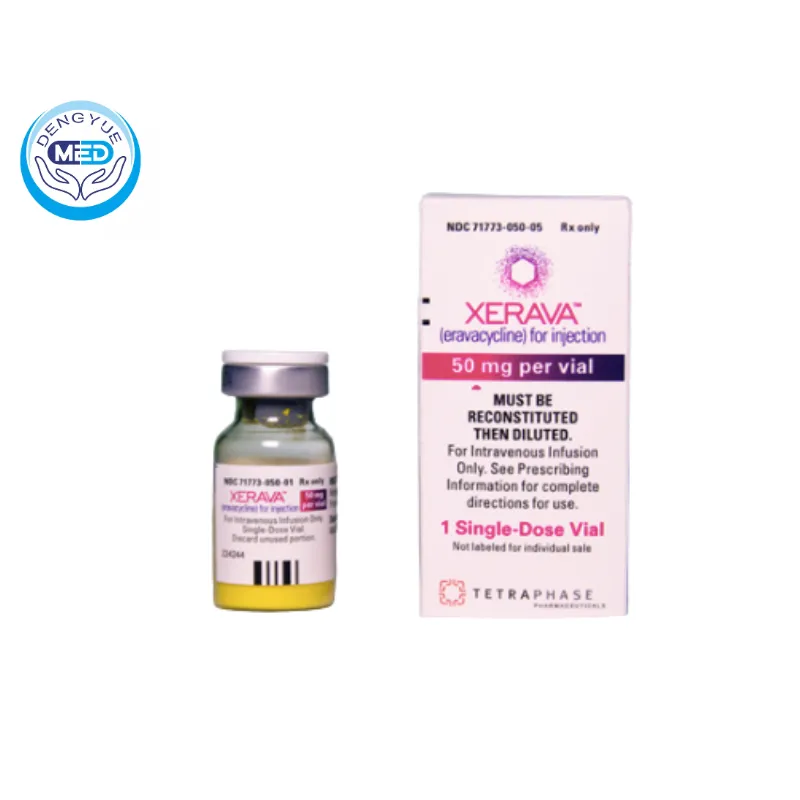
Generic Name/Brand Name: Eravacycline/XERAVA
For: Complicated Intra-Abdominal Infections (CIAIs)
Class: Fluorocycline (tetracycline-class)
How It Works: Inhibits protein synthesis in bacteria
Advantage: Effective against many multi-drug resistant gram-negative organisms, including ESBL-producing and carbapenem-resistant strains.
Zavicefta® (Ceftazidime + Avibactam Sodium)
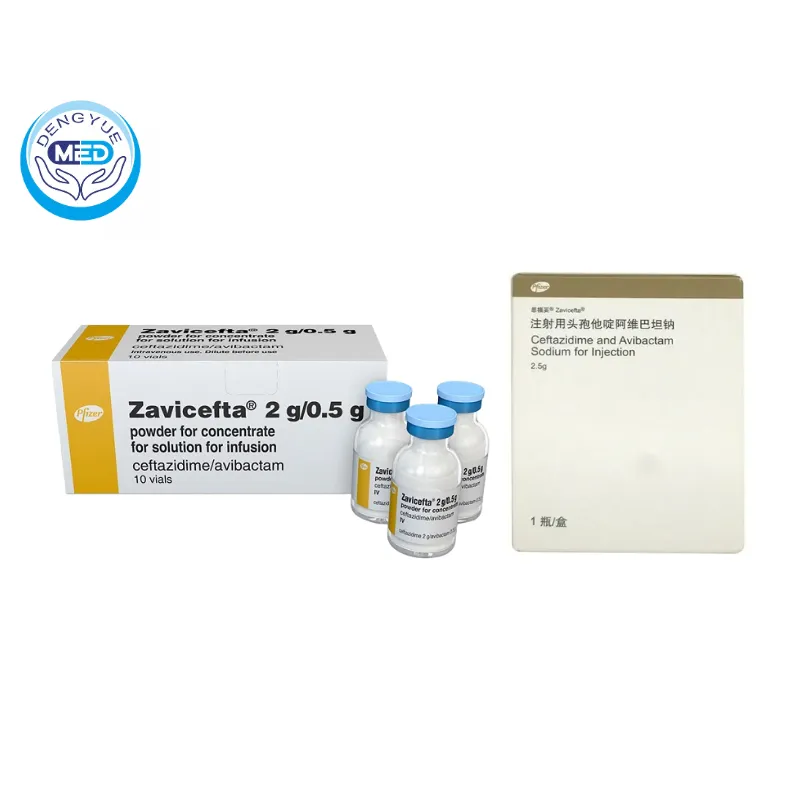
Generic Name/Brand Name: Ceftazidime and avibactam sodium/Zavicefta
For: Serious gram-negative infections including CIAIs and hospital-acquired pneumonia
Mechanism: Combines a 3rd-gen cephalosporin with a novel β-lactamase inhibitor
Why It’s Important: Designed to treat carbapenem-resistant Enterobacterales (CRE) infections
Exblifep® (Cefepime + Enmetazobactam)
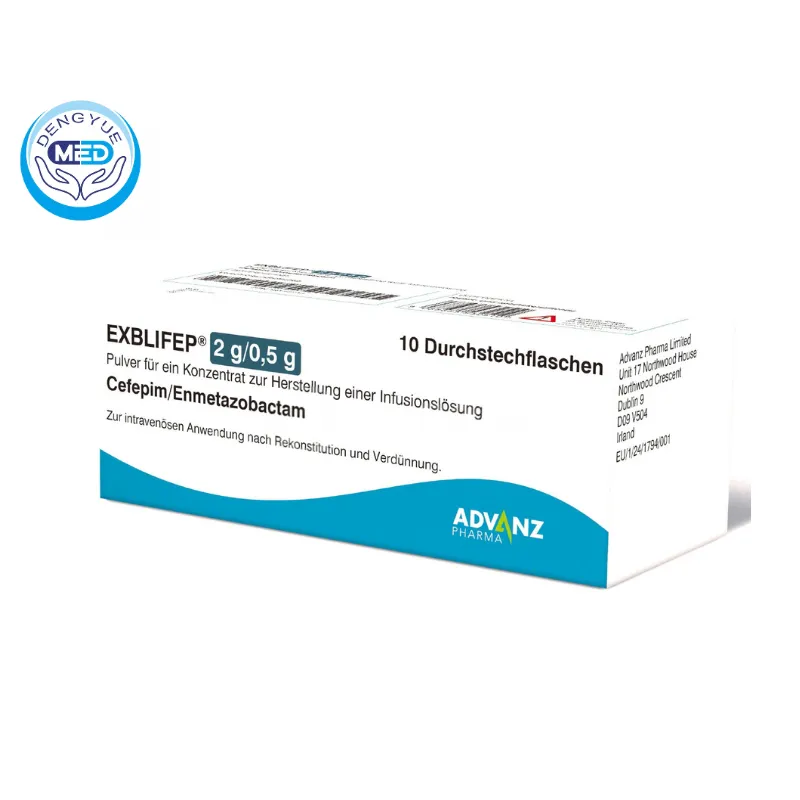
Generic Name/Brand Name: Cefepime and Enmetazobactam/ Exblifep
For: Complicated Urinary Tract Infections (cUTIs)
Strength: Combines a broad-spectrum cephalosporin with a next-gen β-lactamase inhibitor
Result: Improved outcomes against ESBL-producing bacteria — a common cause of resistant UTIs
Sulbactam-Durlobactam
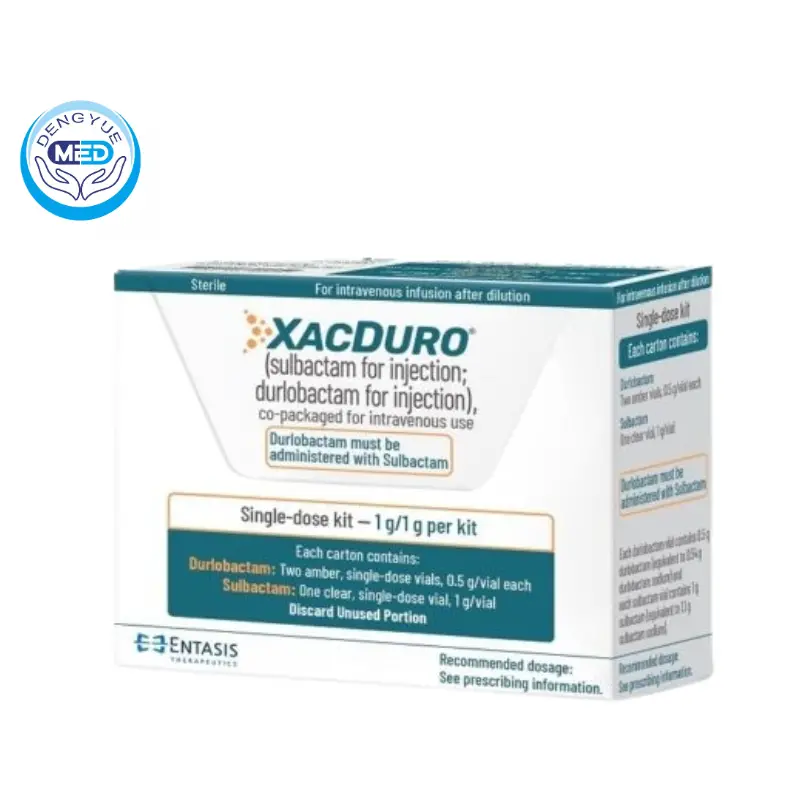
Generic Name/Brand Name: Sulbactam and Durlobactam Injection / XACDURO
For: Hospital-Acquired Pneumonia caused by Acinetobacter baumannii
Unique Benefit: Targets one of the most difficult-to-treat pathogens in ICU settings
Why It Matters: Helps save lives where standard antibiotics fail
If you are looking for any of the above medicines, please contact hk dengyuemed.
Antibiotics Side Effects — What to Watch Out For
All antibiotics can cause side effects, though most are mild and temporary.
Common Antibiotics
- Nausea or upset stomach
- Diarrhea
- Headache
- Skin rash
- Yeast infections (in women)
Serious Side Effects (rare but possible):
- Allergic reactions (swelling, hives, difficulty breathing)
- C. difficile infections
- Liver toxicity (with certain antibiotics)
Always discuss any unusual symptoms with your doctor. Adjustments or alternative antibiotics tablets may be needed.
Signs Your Antibiotic Is Working
You’ll know your antibiotic is effective if you begin to notice:
- Reduced fever within 48–72 hours
- Less pain/swelling at the infection site
- Improved breathing or urination, depending on infection type
- More energy and appetite
If symptoms worsen or remain unchanged after 3 days, consult your doctor. You may need a different antibiotic or additional lab testing.
What To Do If You Suspect Resistance
If an infection doesn’t respond to standard antibiotics, your doctor may order:
- Culture and sensitivity testing
- Hospital admission for IV therapy
- Use of advanced antibiotics like Xerava, Zavicefta, or Sulbactam-Durlobactam
These therapies are often life-saving in critical care settings and are becoming more accessible via global medical suppliers like HongKong DengYue Medicine.
About DengYueMed – HK Drug Wholesale Distributor
As a legally compliant drug import and export company, DengYueMed is certified by the pharmacy & poisons board of Hong Kong — you can verify our qualification on their official website.

Our efforts to improve the affordability of antibiotics drug aim to ensure that more patients can benefit from this important medication.
HK DengYue provides detailed medicine information, transparent pricing, and responsive support to ensure a smooth and reliable buying experience.
Feel free to reach out anytime to discuss your needs or ask questions about the medicine.
We welcome you to contact us for a consultation.
FAQ About How Long Do Antibiotics Take To Work
What is an antibiotic used for?
Antibiotics are designed to treat or prevent bacterial infections — they do not work against viruses like the common cold or flu.
They should only be used when necessary, such as for conditions unlikely to resolve on their own (e.g., acne), even if not severe.
What antibiotic kills all infections?
No single antibiotic can treat all infections.
Different antibiotics target specific bacteria—like Staph., Strep., or E. coli.—by either killing them (bactericidal) or stopping their growth (bacteriostatic).
What is the strongest antibiotic?
Antibiotics are only effective against bacterial infections.
These include conditions like bloodstream infections, UTIs, bacterial pneumonia, strep throat, skin abscesses, and some ear infections.
What happens if you need antibiotics?
Many mild bacterial infections get better on their own without antibiotics.
While antibiotics help treat or prevent certain bacterial infections by killing or stopping bacteria, they aren’t always necessary.