

Pulmonary Hypertension Treatment: An In-Depth Look at What Riociguat Is Used For
Pulmonary hypertension (PH) is a progressive and potentially life-threatening condition characterized by persistently elevated pressure in the pulmonary circulation.
⚠️ Early symptoms—such as shortness of breath, fatigue, and reduced exercise tolerance—are often nonspecific, leading to delayed diagnosis in many patients.
Without appropriate treatment, PH can progress to right heart failure and significantly impair quality of life.
In recent years, advances in disease biology have transformed the treatment landscape of pulmonary hypertension. Therapies are no longer limited to symptomatic relief but increasingly target specific molecular pathways involved in disease progression.
Amid this ongoing evolution in treatment strategies, DengYue Medicinee has continued to closely follow advances in the pulmonary hypertension field, and Riociguat tablets—acting on the soluble guanylate cyclase pathway—have emerged as one of the most representative therapies developed in this context, offering new treatment options for selected patients.
✨ This article provides an in-depth look at what riociguat is used for, focusing on its mechanism of action and approved clinical indications in pulmonary hypertension.
What Are Riociguat Tablets?
Riociguat is indicated for the treatment of adult patients with chronic thromboembolic pulmonary hypertension (CTEPH) who are inoperable or have persistent or recurrent pulmonary hypertension after surgical treatment.
They occupy a unique position in modern medicine as the world’s first approved soluble guanylate cyclase (sGC) stimulator.
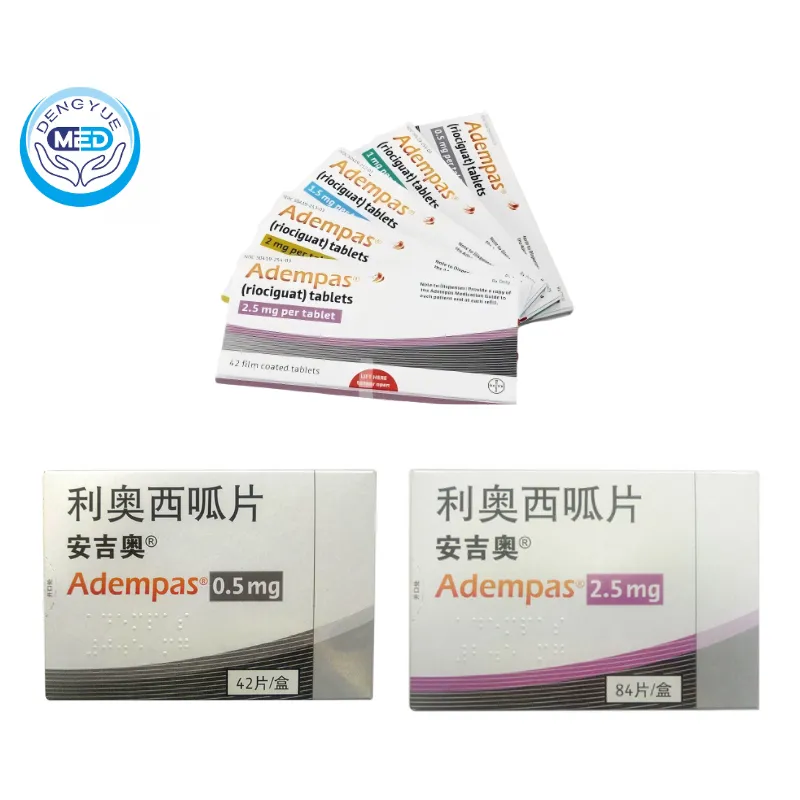
To understand what makes riociguat distinctive, it can be viewed from two key perspectives:
- From a drug classification perspective: a “precision” targeted therapy
Riociguat is fundamentally different from traditional antihypertensive drugs or nonspecific vasodilators.
✨ Instead of acting broadly on blood pressure or vascular tone, riociguat exerts its effects by precisely targeting a critical intracellular enzyme known as soluble guanylate cyclase (sGC) within vascular cells.
This enzyme functions much like a central switch that regulates vascular relaxation, and riociguat works by directly and effectively turning this switch on.
- From a mechanistic perspective: a unique “dual activation” pathway
This represents the core scientific value of riociguat.
- Pathway one (signal amplification): Riociguat enhances the vasodilatory signaling of nitric oxide (NO) naturally produced by the body.
- Pathway two (NO-independent activation): More importantly, even when nitric oxide production is insufficient or the signaling pathway is impaired (a common pathological feature in patients with pulmonary arterial hypertension), riociguat can directly stimulate its target, bypassing these limitations and independently initiating the vasodilation process.
In simple terms, riociguat does more than merely “support signal transmission” like traditional therapies.
It can generate a strong vasodilatory signal on its own, thereby more reliably promoting relaxation and remodeling of abnormally constricted and thickened pulmonary blood vessels.
It is precisely this distinctive mechanism of action that enables riociguat to address the core pathophysiological processes of pulmonary arterial hypertension, including abnormal pulmonary vasoconstriction, endothelial dysfunction, and vascular remodeling.
Beyond lowering pulmonary arterial pressure and improving symptoms, riociguat may exert a beneficial influence on long-term disease progression, rather than providing only temporary symptomatic relief.
✅ For these reasons, riociguat tablets represent a significant step forward in the treatment of pulmonary vascular diseases—marking a transition from purely supportive care toward targeted, mechanism-driven intervention—and have become a uniquely valuable and well-established therapeutic option in clinical practice.
Brand Differences: “Adempas” vs. “Xinpeijia”
In clinical practice, you may encounter two main brands of riociguat:
- Adempas: The original brand developed and manufactured by Bayer (Germany). It was the first version of riociguat to receive global regulatory approval and enter the market.
- Xinpeijia: A generic version manufactured by Jiangsu Hansoh Pharmaceutical Group Co., Ltd., approved for marketing after review by China’s national drug regulatory authority.
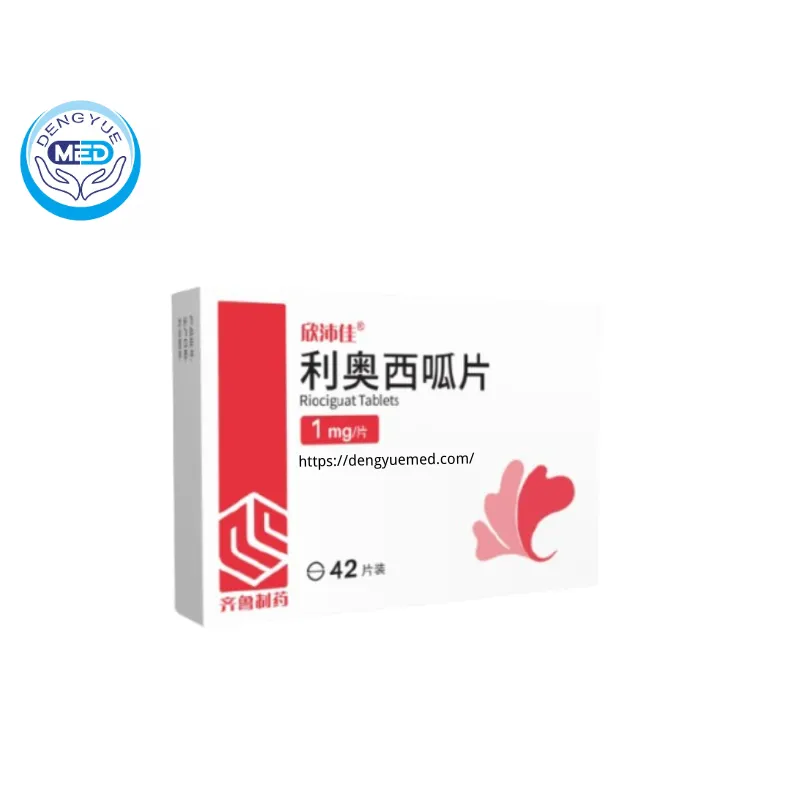
The relationship between these two brands can be understood as different product implementations of the same core technology.
⭕ They contain exactly the same active pharmaceutical ingredient and therefore share the same fundamental therapeutic effects, mechanisms of action, and—most importantly—key safety contraindications.
❌ The differences are mainly reflected in the manufacturer, price variations resulting from production costs, and the composition of non-therapeutic excipients in the formulation (such as fillers and stabilizers).
The choice of brand is typically determined by the physician based on a comprehensive assessment of the patient’s individual condition, economic considerations, insurance reimbursement policies, and drug availability.
Patients need not be overly concerned about brand differences, but should instead focus on adhering to standardized and continuous treatment.
What is Riociguat Used For?
Riociguat tablets are not broad-spectrum antihypertensive agents.
👉 Their clinical use is highly specific and targeted, designed for the treatment of two severe forms of pulmonary arterial hypertension characterized by primary pulmonary vascular pathology.
1️⃣ Primary Indication: Chronic Thromboembolic Pulmonary Hypertension (CTEPH)
CTEPH originates from blood clots within the pulmonary vasculature that are not completely resolved by the body.
Over time, these thrombi undergo organization and fibrosis, becoming permanent obstructions or narrowing of pulmonary arterial branches—much like “cement” within the vessels.
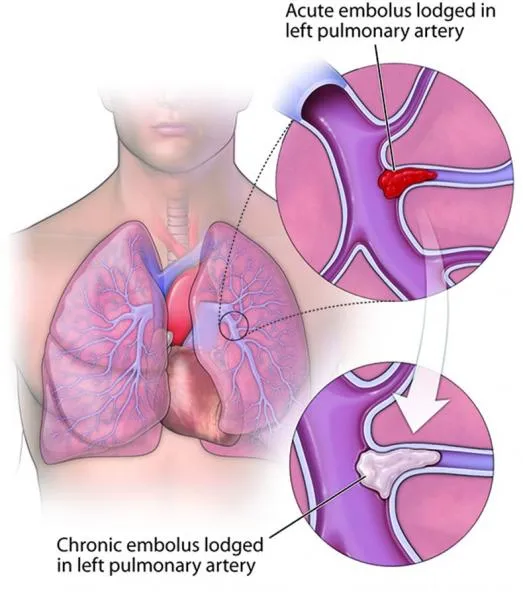
This process leads to a progressive increase in pulmonary vascular resistance and a steadily rising burden on the right heart.
For patients with CTEPH, pulmonary endarterectomy (PEA) is the only potentially curative treatment.
However, a proportion of patients experience persistent pulmonary hypertension after surgery or are not suitable surgical candidates due to clot location or distribution. 🔻
👉 For these patient populations, riociguat is a guideline-recommended, landmark targeted therapy.
By directly dilating distal pulmonary vessels that have undergone compensatory constriction due to chronic obstruction—and potentially inhibiting further vascular remodeling—riociguat improves overall pulmonary circulation.
Large-scale clinical studies have demonstrated that long-term, standardized treatment with riociguat can:
- Significantly improve exercise capacity, as evidenced by objective increases in the 6-minute walk distance (6MWD)
- Enhance cardiac functional status, with improvements in WHO functional class, allowing patients to better tolerate daily activities
- Reduce key symptoms, including dyspnea and fatigue
- Improve overall quality of life, enabling greater participation in social and family activities
2️⃣ Important Indication: Pulmonary Arterial Hypertension (PAH)
PAH represents a heterogeneous group of diseases characterized by abnormal proliferation, vasoconstriction, and occlusion of small pulmonary arteries.
Etiologies are diverse and may include genetic mutations, connective tissue diseases (such as systemic sclerosis), and congenital heart disease.
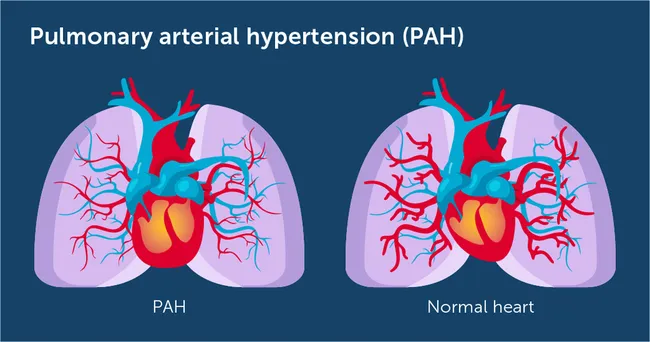
Riociguat is primarily indicated for adult PAH patients with WHO functional class II–III, ranging from mild to marked limitation of physical activity.
In contemporary PAH management, early initiation of combination therapy is a key strategy to delay disease progression.
Due to its unique mechanism of action, riociguat is often used in combination with endothelin receptor antagonists (ERAs). By targeting different pathogenic pathways, this combination can achieve a synergistic effect—often described as “1 + 1 > 2.”
Clinical evidence shows that riociguat, particularly as part of combination therapy, can:
- Effectively improve exercise capacity
- Significantly reduce the risk of clinical worsening events, such as disease progression or PAH-related hospitalization
- Delay disease progression, allowing patients to maintain stability for longer periods
In summary, the clinical benefits of riociguat are not based on subjective or vague symptom relief, but are supported by rigorous clinical trial data.
Its efficacy has been validated across objective endpoints, including exercise capacity, functional class improvement, and reduction in clinical worsening risk.
✅ These outcomes clearly define what riociguat is used for and mark a transition in the management of CTEPH and PAH toward an era of precision-targeted and combination-based intervention, fundamentally reshaping treatment strategies for these serious pulmonary vascular diseases.
What Advantages Does It Offer Over Traditional Therapies?
💡 The introduction of riociguat represents a paradigm shift in the treatment of pulmonary arterial hypertension (PAH).
To fully appreciate its clinical value, it is essential to examine it within a comparative framework alongside traditional therapies and other targeted agents.
- From a mechanistic perspective, Adempas delivers a fundamentally innovative approach.
Traditional vasodilators, such as calcium channel blockers, have limited selectivity for the pulmonary vasculature and are effective only in a very small subset of patients who test positive in acute vasoreactivity testing.
Another commonly used class of targeted agents, phosphodiesterase type 5 (PDE5) inhibitors (e.g., sildenafil), relies heavily on the integrity of the endogenous nitric oxide (NO) pathway for efficacy.

Riociguat is different. As a soluble guanylate cyclase (sGC) stimulator, it has a unique dual mechanism of action:
✨ It not only enhances existing nitric oxide signaling but can also directly stimulate sGC when nitric oxide production is insufficient or when the NO–sGC pathway is impaired.
This key characteristic means its effect does not depend on potentially dysfunctional upstream conditions.
✅ By intervening at a more upstream point in the pathophysiology, riociguat is theoretically applicable to a broader patient population and provides more consistent and reliable efficacy.
- In terms of disease coverage, riociguat fills a critical therapeutic gap and has pioneering significance.
Take chronic thromboembolic pulmonary hypertension (CTEPH) as an example.Historically, patients who were inoperable or who had persistent or recurrent pulmonary hypertension after surgery had extremely limited pharmacological options.
Treatment was largely confined to anticoagulation and supportive management of heart failure symptoms, without the ability to directly target pulmonary vascular pathology.
Adempas became the first oral targeted therapy globally approved for CTEPH, marking a transition for these patients from an era of “no effective drug options” to one with a standardized targeted treatment.
Its use has been shown to directly improve exercise capacity and hemodynamic parameters, fundamentally reshaping the management landscape of this condition.
- Across the therapeutic spectrum, riociguat demonstrates notable breadth of applicability.
Most PAH-targeted therapies are approved primarily for pulmonary arterial hypertension.
Riociguat is one of the few agents approved for both PAH and CTEPH, the two core forms of pulmonary hypertension.
This is not coincidental; it reflects the fact that riociguat’s mechanism directly targets the shared core pathological process—abnormal pulmonary vasoconstriction and vascular remodeling—despite differing underlying etiologies.
As such, it has become a powerful clinical tool that transcends traditional etiological classifications and addresses a common pathophysiological endpoint.
- Robust clinical efficacy is supported by solid objective evidence.
👉 Unlike traditional supportive treatments that mainly alleviate symptoms such as edema, multiple large-scale clinical trials have consistently demonstrated that riociguat significantly improves the 6-minute walk distance while objectively reducing pulmonary vascular resistance and mean pulmonary arterial pressure.
These parameters are key hard endpoints for assessing disease severity, therapeutic response, and prognosis in pulmonary hypertension.
The benefits of riociguat are therefore not limited to subjective symptom relief but are reflected in measurable improvements in cardiopulmonary function—closely linked to slowing disease progression and improving long-term outcomes.
- Within modern treatment strategies, riociguat plays a central synergistic role.
Current PAH management has evolved from monotherapy toward early combination therapy.
Thanks to its distinct signaling pathway, riociguat can be combined with endothelin receptor antagonists and other agents to achieve mechanistic complementarity and synergistic efficacy.
It has become one of the foundational pillars of intensified treatment regimens for patients at intermediate to high risk, enabling a multi-pathway, multi-target approach to more effectively delay clinical worsening.
In summary, the advantages of riociguat are systemic and multidimensional.
It offers a more fundamental and broadly applicable mechanism of action, provides the first oral targeted solution to the long-standing therapeutic challenge of CTEPH, and serves as a bridge connecting the treatment of different forms of pulmonary hypertension.
🎯 Supported by strong clinical evidence, it has been integrated into and has strengthened modern combination treatment strategies.
How to Use Riociguat? What to Watch Out For?
The effectiveness and safety of riociguat are equally important. To maximize therapeutic benefit while minimizing risk, patients must strictly follow standardized dosing instructions and remain vigilant about all safety precautions
Standardized Use and Administration
👉 Treatment with riociguat must begin at the lowest dose (typically 1 mg per dose) to allow the body to gradually adapt to the medication.
After initiation, regular follow-up visits are required.
🏥 Based on individual tolerance—particularly blood pressure levels and the presence of side effects—the physician will adjust the dose stepwise.
Dose adjustments are usually made every two weeks, and patients should never accelerate titration or change the dose on their own. Only through slow, individualized dose titration can optimal therapeutic efficacy be achieved while maintaining safety.
👉 Xinpeijia should be taken three times daily, with meals or immediately after meals.
Food helps slow drug absorption and significantly reduces the risk of early treatment–related dizziness or hypotension caused by rapid increases in plasma drug levels.
Patients are advised to set fixed dosing times (for example, at breakfast, lunch, and dinner) to maintain stable drug concentrations throughout the day and ensure sustained therapeutic effects.
Key Precautions and Safety Considerations
This is the most important aspect of riociguat use and involves two classes of medications that are absolutely contraindicated:
- Nitrates: Including all forms of nitroglycerin (used for acute angina relief) and isosorbide mononitrate.
❗ Concomitant use can lead to excessive vasodilation, resulting in life-threatening severe hypotension, shock, or even death.
Patients must inform family members and all healthcare providers of this contraindication and must not use nitroglycerin for emergency treatment.
- PDE5 inhibitors: Including sildenafil (Viagra®), tadalafil (Cialis®), and similar agents used for erectile dysfunction, as well as PDE5 inhibitors indicated for pulmonary arterial hypertension.
❗ Combined use can cause profound hypotension due to synergistic effects.
Special Populations:
- Women of childbearing potential: Riociguat is classified as Pregnancy Category X and carries a clear risk of fetal harm.
- Patients with hepatic impairment: Use with caution in mild to moderate hepatic impairment; contraindicated in severe hepatic impairment.
- Patients with hypotension: Treatment should not be initiated or up-titrated if systolic blood pressure is below 90 mmHg.
Common Adverse Reactions and Management
Most adverse effects are related to vasodilation, are usually mild, and tend to diminish as the body adapts. Common reactions include:
- Headache and dizziness: Often improve with continued use; patients should rise slowly from sitting or lying positions.
- Dyspepsia, nausea, and diarrhea: Taking the medication with meals can help reduce gastrointestinal discomfort.
- Hypotension: Adherence to dosing with meals and avoiding sudden postural changes can help minimize risk.
The effective use of riociguat is built on strict adherence to standardized protocols.
Patients should fully understand the dosing regimen and key precautions, maintain close communication with their healthcare team, and take an active role in managing their own health.
Only by strictly following these “rules of use” can this effective treatment option deliver its maximum value in a safe and reliable manner.
The global pharma partner—DengYue, reminds you: informed use, close collaboration with medical professionals, and long-term adherence are essential to achieving the best possible outcomes.
Conclusion: Balancing Efficacy and Safety
👉 Riociguat represents a significant advance in targeted therapy for pulmonary vascular diseases, delivering well-established clinical benefits for selected patients with pulmonary hypertension.
It has not only expanded the therapeutic landscape for pulmonary arterial hypertension (PAH), but also filled a long-standing treatment gap in chronic thromboembolic pulmonary hypertension (CTEPH).
👉 At the same time, it is essential to recognize that riociguat is not a “one-size-fits-all” solution.
Its clinical value depends on appropriate patient selection, careful dose titration, strict adherence to contraindications, and structured long-term follow-up.
Only when prescribed and monitored by experienced healthcare professionals—within the context of an individualized treatment strategy—can its benefits be fully realized while minimizing potential risks.
Beyond improvements in hemodynamic parameters or exercise capacity, the true impact of riociguat lies in its contribution to long-term disease stabilization and meaningful gains in quality of life.
It provides clinicians with a proactive tool for disease modification and reinforces the modern pulmonary hypertension paradigm: early diagnosis, risk-based stratification, combination therapy, and continuous management.
Ultimately, the treatment of pulmonary hypertension is never the result of a single medication alone, but of a sustained partnership between informed patients and multidisciplinary medical teams.
Through shared decision-making and evidence-based care, targeted therapies such as riociguat can achieve their full potential—advancing pulmonary vascular disease management toward a future that is more precise, safer, and increasingly patient-centered.
FAQ about What Riociguat Is Used For
What is another name for riociguat?
Riociguat, sold under the brand name Adempas, is a medication by Bayer that is a stimulator of soluble guanylyl cyclase (sGC).
What is the use of riociguat?
Riociguat is used to treat adults with chronic thromboembolic pulmonary hypertension (CTEPH) that can be treated with surgery, or that cannot be treated with surgery.
What drug is similar to riociguat?
Uptravi (selexipag) and Adempas (riociguat) are both medications used to treat pulmonary arterial hypertension (PAH), but they have some key differences.
Who should not take riociguat?
People with severe liver disease, severe kidney dysfunction and those on dialysis should avoid this drug.