
Why Reputable Pharmaceutical Wholesaler is the Key to Long-Term Partnership Success?
In today’s increasingly competitive global pharmaceutical landscape, choosing a reputable pharmaceutical wholesaler has become a critical strategic decision for pharmaceutical companies, healthcare institutions, and medical traders seeking sustainable long-term growth. A reliable partner not only ensures stable product supply but also provides systematic support in compliance, market expansion, and brand building.
As a company deeply engaged in cross-border pharmaceutical services, Hong Kong Dengyue Medicine Co., Ltd. believes that high-quality pharmaceutical wholesale partnerships are, in essence, a fundamental cornerstone of long-term corporate competitiveness. This article analyzes from multiple perspectives why selecting a trustworthy pharmaceutical wholesaler is crucial for sustained business success.
Why a Strong Pharmaceutical Wholesaler Is Essential
A capable pharmaceutical wholesaler forms the foundation for business growth. Its core value lies in the ability to:
- Provide professional guidance
- Deliver market support
- Build a stable supply system
- Expand product portfolios
An increasing number of companies are joining mature pharmaceutical distribution ecosystems because they need a long-term, trustworthy cooperation platform. A stable pharmaceutical wholesaler helps partners quickly establish market credibility and a professional image.
1. Higher Quality and Trust
✅ Strict Quality Control
High quality remains the core demand of the pharmaceutical market. Reputable pharmaceutical wholesaler typically establish full-process quality management systems, including:
- Source qualification and screening
- Compliance testing
- Secure packaging
- Regular quality monitoring
These measures directly enhance end-customer confidence.
✅ Lower Complaints, Higher Repurchase Rates
When partners distribute products sourced from reliable channels, they typically benefit from:
- Reduced customer complaints
- Improved customer satisfaction
- Increased repeat purchases
- Stronger brand reputation
Therefore, quality capability has become the primary indicator of a pharmaceutical wholesaler’s professionalism.
2. Broad Market Growth Potential
Well-known pharmaceutical wholesalers usually offer extensive product portfolios across multiple therapeutic areas.
Advantages of a diversified portfolio include:
- Meeting broader clinical needs
- Strengthening regional competitiveness
- Expanding customer coverage
- Diversifying single-product risk
Especially when wholesalers continuously update their product mix, partners are better positioned to capture:
- New therapy growth windows
- Seasonal medication demand
- Specialty market opportunities
This is a key differentiator between top-tier pharmaceutical distribution platforms and ordinary traders.
3. Smooth Supply and Timely Delivery
In pharmaceutical distribution, supply stability directly impacts market reputation. A strong pharmaceutical wholesaler typically possesses:
- Stable international procurement networks
- Secure inventory management
- Efficient logistics systems
- Predictable delivery cycles
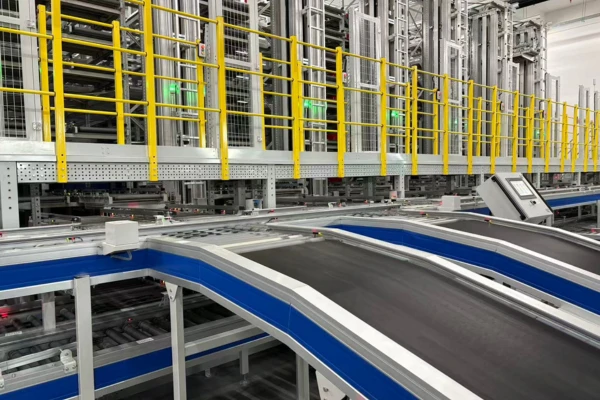
The direct value of stable supply includes:
- Avoiding stock-out risks
- Improving end-customer satisfaction
- Strengthening regional reputation
- Supporting long-term business planning
Consistent, on-time delivery capability is one of the most important factors when selecting a long-term supplier.
Can a Reputable Pharmaceutical Wholesaler Help Build a Strong Market Image?
Yes. A reputable pharmaceutical wholesaler helps partners establish a strong brand presence. By working with a trustworthy wholesaler, partners gain long-term support and a more stable brand image.
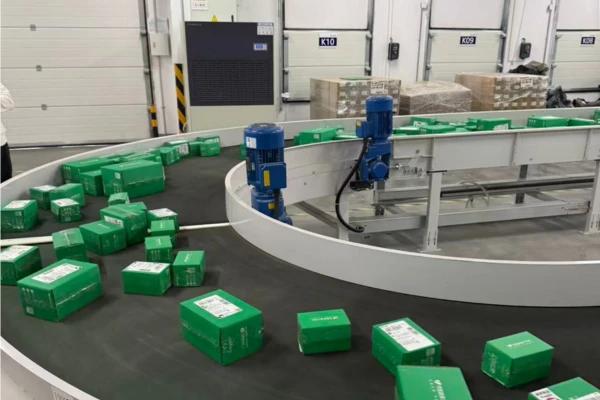
✔️ Professional and Secure Packaging
High-standard packaging ensures:
- Product safety
- Compliant transportation
- Enhanced brand perception
It also significantly influences the end customer’s first impression.
✔️ Efficient Customer Support and Complaint Handling
A strong after-sales system can:
- Respond quickly to issues
- Stabilize partnerships
- Reduce operational risks
- Protect market reputation
This is an essential soft capability for sustainable long-term cooperation.
✔️ Transparent and Standardized Operations
Truly professional pharmaceutical wholesalers typically maintain:
- Clear processes
- Traceable milestones
- Transparent information flow
- Controllable risk management
The higher the transparency, the lower the cost of building trust in partnerships.
Conclusion
A Reputable Pharmaceutical Wholesaler is a powerful enabler of long-term growth. Global pharmaceutical distributor Dengyue Medicine provides high-quality products authorized under Hong Kong Department of Health standards, along with strong support, timely supply, and clear operational frameworks.
Through its established pharmaceutical network, including China online pharmacy services, Dengyue Medicine supports reliable sourcing and distribution.
An excellent pharmaceutical wholesaler can guide partners toward sustainable success. With the right partner in place, steady growth becomes far more achievable—and long-term success comes within reach.
FAQ About Reputable Pharmaceutical Wholesaler
What is a pharmaceutical wholesaler?
A pharmaceutical wholesaler is a company that purchases pharmaceuticals in bulk from manufacturers and then distributes them to pharmacies, hospitals, and other healthcare facilities.
Why is choosing a trusted pharmaceutical wholesaler important?
Working with a trusted wholesaler helps ensure consistent drug availability, regulatory compliance, and product authenticity. This reduces operational risk and supports long-term business stability for pharmacies, hospitals, and distributors.
How can I evaluate whether a pharmaceutical wholesaler is reliable?
Key factors include valid regulatory certifications, transparent supply chain processes, strong cold-chain capability, responsive customer support, and a proven track record of on-time delivery and quality assurance.
What services do leading pharmaceutical wholesalers typically provide?
Top wholesalers usually offer global sourcing, temperature-controlled logistics, regulatory documentation support, inventory management, and customized supply solutions for hospitals, pharmacies, and medical distributors.