What Causes Thyroid Cancer In Females? Key Risks, Treatments & Prevention Tips
What Causes Thyroid Cancer In Females? Thyroid cancer is one of the most common cancers affecting the endocrine system. It occurs more often in women than in men, especially during middle age.
Understanding its causes, development, and preventive measures can help women be more aware of their health.
Dengyue medicine will explore more ractical tips to lower your risk and thyroid cancer treatment below.
How does thyroid cancer begin?
Thyroid cancer begins when cells in the thyroid gland start to grow and divide abnormally. Instead of functioning normally, these cells form a lump (nodule) that may become cancerous.
In many cases, the exact trigger is unknown, but changes in certain genes (mutations) that control cell growth can cause thyroid cells to multiply uncontrollably.
Over time, this abnormal growth may spread to lymph nodes or other parts of the body if not detected early.
What is the most common cause of thyroid cancer?
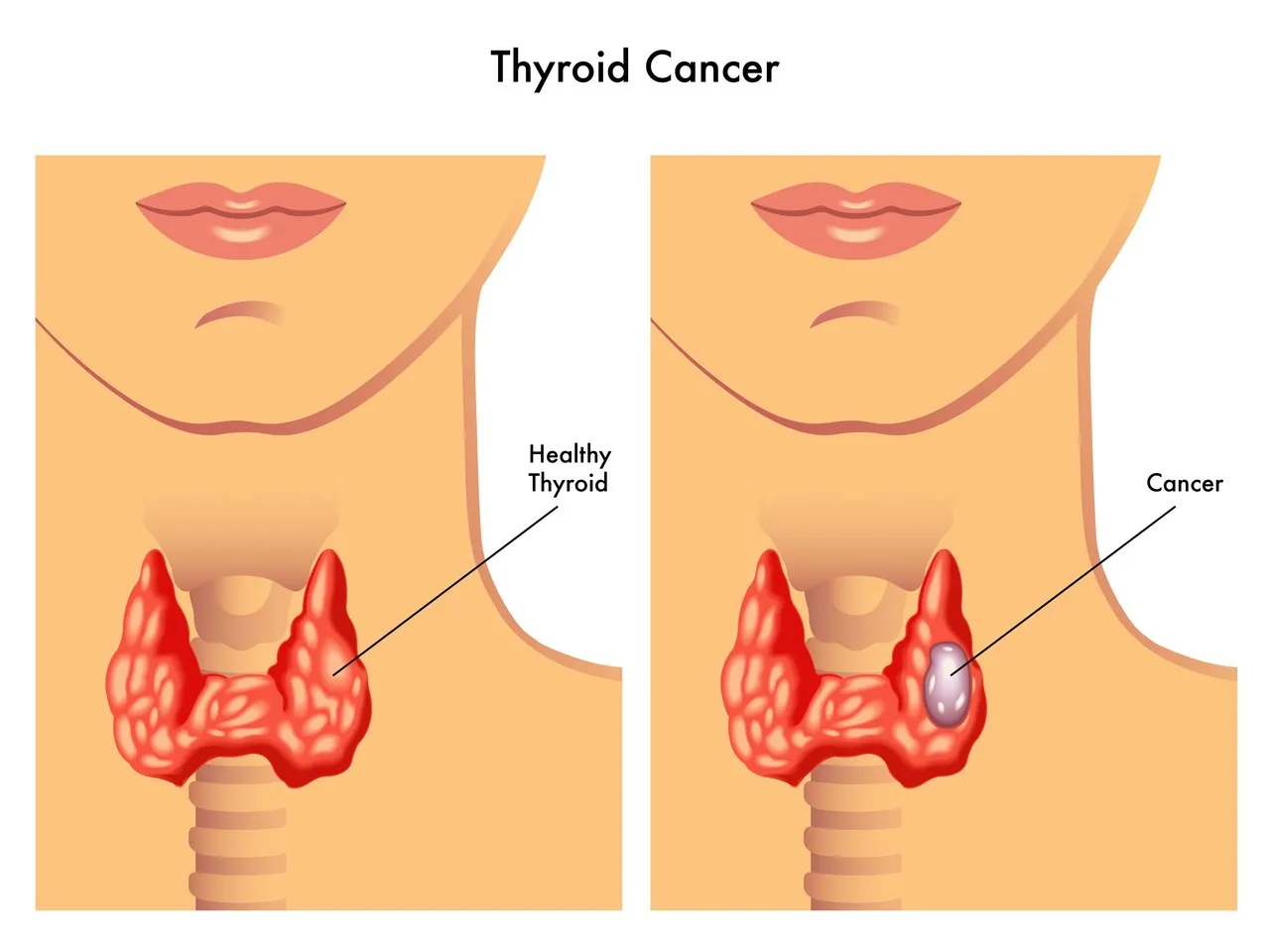
The precise cause of thyroid cancer is not always clear, but research shows several risk factors increase a woman’s chance of developing it:
- Genetic mutations: Inherited or acquired changes in RET, BRAF, or other genes.
- Radiation exposure: Especially to the head and neck during childhood.
- Family history: A close relative with thyroid cancer or thyroid disorders.
- Hormonal factors: Women are 2–3 times more likely than men to develop thyroid cancer, possibly due to hormonal influences like estrogen.
- Iodine imbalance: Both too little and too much iodine in the diet can affect thyroid health.
Among all these, genetic mutations combined with radiation exposure are considered the strongest causes.
why is thyroid cancer more common in females
Thyroid cancer is about three times more common in women than in men. Researchers suggest that female hormones, particularly estrogen, may influence the growth of thyroid cells and increase cancer risk.
Pregnancy-related changes and autoimmune thyroid diseases, which are also more frequent in females, may contribute as well.
Additionally, women tend to undergo more frequent health screenings, leading to earlier detection of thyroid nodules and cancers.
This combination of biological and lifestyle factors helps explain why thyroid cancer is more prevalent among women.
how to treat thyroid cancer?
Treatment for thyroid cancer in females usually depends on the type and stage of the disease. The most common approach is surgery, where part or all of the thyroid gland is removed.
In some cases, radioactive iodine therapy is given after surgery to destroy any remaining cancer cells.
Additional treatments may include hormone replacement therapy, targeted therapy, or external beam radiation.
Selpercatinib/Retevmo
Selpercatinib, sold under the brand name Retevmo, is a targeted therapy used for certain types of thyroid cancer that carry a RET gene mutation or fusion.
Unlike chemotherapy, it works by specifically blocking abnormal RET proteins that drive cancer cell growth.
This makes it especially effective for patients with medullary thyroid cancer (MTC) or advanced thyroid cancer that has spread and no longer responds to radioactive iodine.
It is taken orally as a capsule, and patients usually tolerate it better than traditional treatments, though side effects like high blood pressure, liver changes, or fatigue may occur.
Genetic testing is required before starting therapy to confirm the RET mutation.

Selpercatinib|Thyroid Cancer|HongKong DengYue Medicine
- Generic Name/Brand Name: Selpercatinib/Retevmo
- Indications: Thyroid Cancer/Other Solid Tumors
- Dosage Form: Tablets
- Specification: 40 mg or 80 mg
Sorafenib Tosylate/Dorjimae
Sorafenib Tosylate, marketed as Dorjimae, is another tyrosine kinase inhibitor approved for treating radioactive iodine–refractory differentiated thyroid cancer.
It works in a similar way to Lenvatinib, by blocking proteins that promote cancer growth and the formation of new blood vessels.
Sorafenib is taken orally and has been shown to delay disease progression in patients with advanced thyroid cancer.
Side effects may include hand-foot skin reactions, diarrhea, weight loss, and high blood pressure, but dose adjustments and supportive care can help manage them.
For patients who cannot tolerate or respond poorly to other treatments, Sorafenib offers an important therapeutic choice.
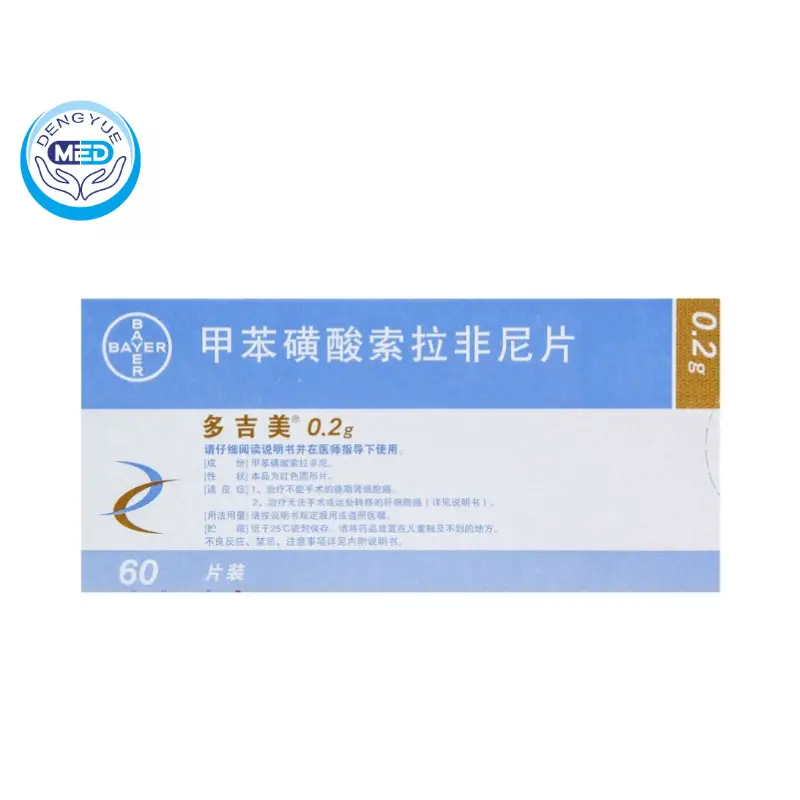
Sorafenib Tosylate Tablets | Thyroid cancer | HongKong DengYue Medicine
- Generic Name/Brand Name: Sorafenib Tosylate/Dorjimae
- Indications: Advanced renal cell carcinoma (RCC),Hepatocellular carcinoma (HCC),Thyroid cancer (for resistant cases)
- Dosage Form: Red Round Piece
- Specification: 0.2g
Lenvima (Lenvatinib)
Lenvima (Lenvatinib) is an oral medication often prescribed for patients with differentiated thyroid cancer (DTC) that has spread or returned after surgery and does not respond to radioactive iodine treatment.
It belongs to a class of drugs called tyrosine kinase inhibitors (TKIs), which block the signals that cancer cells use to grow new blood vessels and multiply.
This slows down tumor progression and can shrink existing tumors.
Common side effects include high blood pressure, diarrhea, fatigue, and loss of appetite, so patients are monitored closely during treatment.
Lenvatinib has become a standard option for advanced thyroid cancer treatment and can significantly improve survival when radioactive iodine is no longer effective.

Lenvima (Lenvatinib) – HCC | HongKong DengYue Medicine
- Generic Name/Brand Name: Lenvatinib / Lenvima®
- Indications: Thyroid, kidney, liver, and endometrial cancers
- Dosage Form: Oral capsules
- Specification: 4 mg, 10 mg, 20 mg × 28 capsules/box
Since what causes thyroid cancer in females is often linked to genetic factors, hormonal influences, and environmental exposure, treatment is tailored to both the patient’s health condition and the underlying risk factors.
How can you prevent getting thyroid cancer?
There is no guaranteed way to prevent thyroid cancers, but women can lower their risks by:
- Limiting unnecessary radiation exposure: Especially medical imaging of the neck and chest.
- Eating a balanced diet: Ensure healthy iodine intake (neither too low nor too high).
- Regular check-ups: If you have a family history of thyroid problems, ask your doctor about screening.
- Self-monitoring: Pay attention to any unusual neck swelling or changes in voice and consult a doctor early.
- Healthy lifestyle: Maintaining overall immune health through exercise, good sleep, and stress management.
Early detection remains the key — most thyroid cancers, especially papillary type, are highly treatable and have excellent survival rates when found early.
Summary about what causes thyroid cancer in females
Thyroid cancer is a common endocrine cancer, occurring more often in women, especially in middle age.
What causes thyroid cancer in females is linked to genetic mutations, radiation exposure, hormonal influences, family history, and iodine imbalance, with gene changes and radiation being the strongest factors.
Female hormones like estrogen, pregnancy-related changes, and higher rates of autoimmune thyroid disease increase women’s risk. Frequent health screenings also lead to earlier detection.
Treatment usually involves surgery, radioactive iodine, and hormone replacement. For advanced cases, targeted therapies such as Selpercatinib (Retevmo), Lenvatinib (Lenvima), and Sorafenib Tosylate (Dorjimae) offer effective options.
Although thyroid cancer cannot be fully prevented, women can lower risks through balanced iodine intake, limiting radiation exposure, and regular check-ups. Early detection remains the key to excellent survival rates.
FAQ about what causes thyroid cancer in females
What is the life expectancy of a person with thyroid cancer?
Around 95% of people with thyroid cancer survive beyond five years.
How to avoid thyroid cancer?
1. Understanding Thyroid Cancer Risk Factors
2. Minimize Radiation Exposure
3. Maintain Proper Iodine Intake
4. Adopt a Healthy Lifestyle
5. Regular Screening and Awareness
6. Genetic Counseling and Testing
More details on How to avoid thyroid cancer?
Can thyroid cancer be treated?
The majority of papillary thyroid cancers are managed through surgery.
What are early warning signs of thyroid problems in females?
1. Irregular or unusually heavy/light menstrual periods
2. Difficulty conceiving or fertility issues
3. Mood swings, anxiety, or depression
4. Puffy face, swelling around the eyes
5. Brittle nails or hair texture changes



It’s clear that thyroid cancer has many risk factors, but I wonder if stress or hormonal changes play a role in its development, especially in women. Has there been any research into this connection?