

Is Multiple Sclerosis Stealing Your Energy—Or Just Your Focus?
Multiple sclerosis (MS) is a chronic autoimmune disease that affects the central nervous system (CNS), leading to nerve damage and disrupted communication between the brain and the body.
With over 2.9 million people globally living with MS, understanding its symptoms, causes, and treatment options is crucial for patients and caregivers.
In this comprehensive guide, we’ll explore:
- The causes and symptoms of MS
- How MS is diagnosed
- The latest treatment options, including Aubagio, Mayzent, Kesimpta, and Copaxone
- The long-term prognosis and how MS affects daily life
🔍 What Is the Main Cause of Multiple Sclerosis?
The exact cause of MS remains unknown, but research suggests it’s an autoimmune disorder where the immune system mistakenly attacks the myelin sheath—the protective coating around nerve fibers.
This leads to inflammation, scarring (sclerosis), and impaired nerve signaling.
Key Risk Factors for MS:
- Genetics: A family history of MS increases risk.
- Environmental factors: Low vitamin D levels, smoking, and certain viral infections (e.g., Epstein-Barr virus) are associated with MS.
- Gender: Women are 2-3 times more likely to develop MS than men, possibly due to hormonal influences.
- Age: Most diagnoses occur between the ages of 20 and 40
⚠️ What Are 5 Signs and Symptoms of Multiple Sclerosis?
MS symptoms vary widely but commonly include:
- Numbness or tingling in limbs (often the first sign).
- Vision problems (blurred vision, optic neuritis).
- Muscle weakness & mobility issues (difficulty walking, balance problems).
- Fatigue & cognitive difficulties (memory lapses, “brain fog”).
- Bladder & bowel dysfunction.
Symptoms may worsen with heat exposure (Uhthoff’s phenomenon) or during relapses.
💊 MS Treatment: 4 Key Disease-Modifying Therapies (DMTs)
While there’s no cure for MS, disease-modifying therapies (DMTs) can slow progression, reduce relapses, and improve quality of life. Below are four leading MS medications:
1. Aubagio (Teriflunomide) – Oral DMT for Relapsing MS
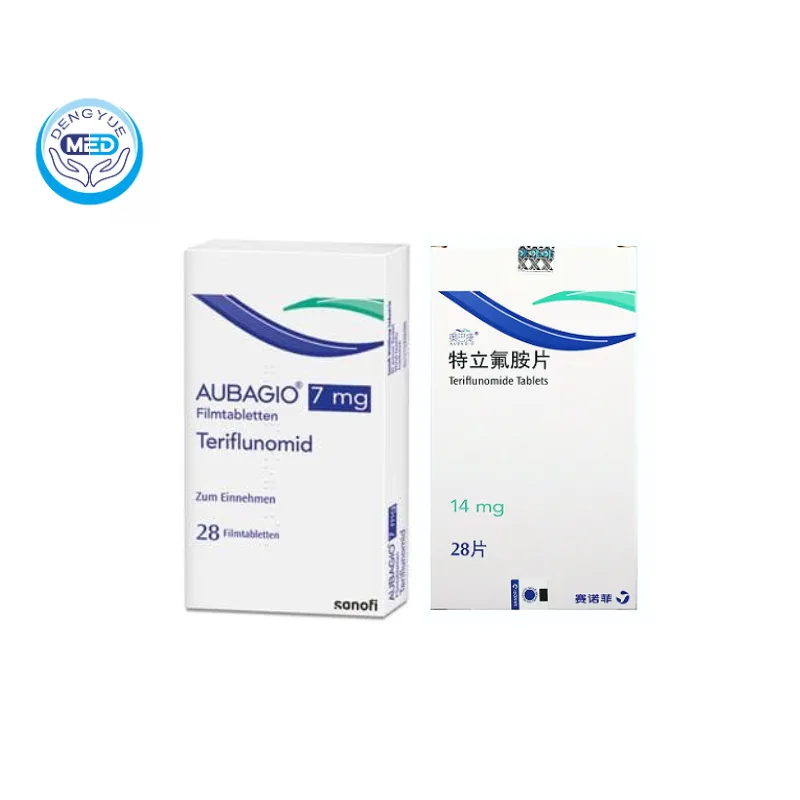
- Mechanism: Inhibits pyrimidine synthesis, reducing immune cell activity.
- Dosage: 7mg or 14mg once daily.
- Side Effects: Hair thinning, liver issues, flu-like symptoms.
- Pros: Convenient oral administration; fewer injections.
2. Mayzent (Siponimod) – For Active Secondary Progressive MS
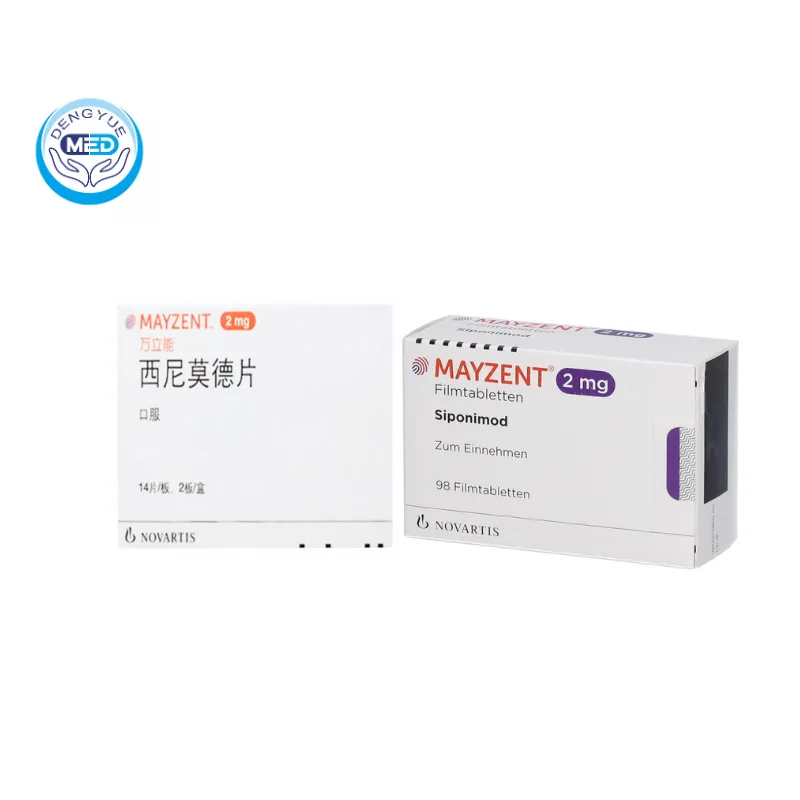
- Mechanism: S1P receptor modulator, prevents immune cells from attacking nerves.
- Dosage: 2mg daily after a 5-day titration.
- Side Effects: Headaches, high blood pressure, slow heart rate.
- Pros: Effective for progressive MS, reduces relapse rates.
3. Kesimpta (Ofatumumab) – B-Cell Targeting Therapy
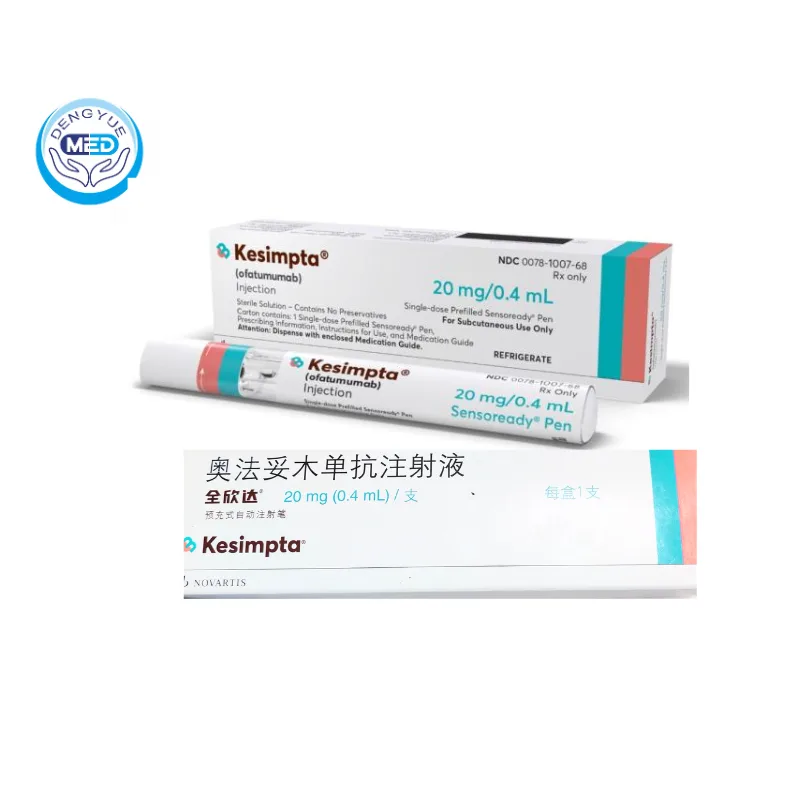
- Mechanism: Anti-CD20 monoclonal antibody that depletes B-cells.
- Dosage: 20mg monthly subcutaneous injection.
- Side Effects: Infections, injection-site reactions.
- Pros: Superior to Aubagio in reducing relapses in clinical trials.
4. Copaxone (Glatiramer Acetate) – First-Line Injectable DMT
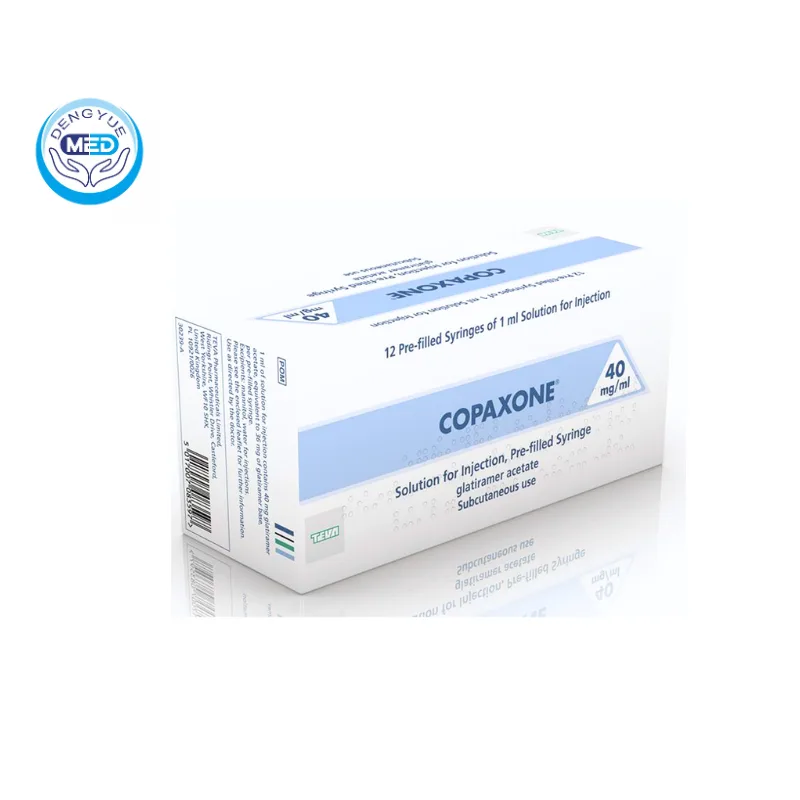
- Mechanism: Modifies the immune response to protect myelin.
- Dosage: 20mg daily or 40mg 3x weekly.
- Side Effects: Injection-site reactions, flushing, chest tightness.
- Pros: Well-tolerated, fewer flu-like symptoms than interferons.
🔍 Multiple Sclerosis Prognosis
Prognosis depends on subtype, age at onset, lesion burden, and treatment adherence.
Untreated MS patients may lose ambulation within 5–7 years, though modern therapy has improved five-year survival (>90%) and long-term outcomes.
Newer drugs like Kesimpta offer high remission rates, altering disease trajectory.
📊 How Will MS Affect My Life?
Multiple Sclerosis progression varies, but most patients experience:
- Relapsing-remitting MS (RRMS): Episodes of symptoms followed by recovery (85% of cases).
- Secondary progressive MS (SPMS): Gradual worsening after initial relapses.
- Primary progressive MS (PPMS): Steady decline without relapses (15% of cases).
🧠 What is Multiple Sclerosis Diagnosis?
Diagnosing MS is complex—there’s no singular test that confirms it. Physicians rely on a combination of:
- Clinical evaluations (patient history and neurological exams)
- MRI scans for lesion detection
- Cerebrospinal fluid (CSF) analysis
- Evoked potential tests (nerve signal speed)
The goal is to meet the McDonald criteria, which require evidence of lesions disseminated in space and time.
✅ Conclusion
Multiple sclerosis (MS) remains a complex and unpredictable disease, but advancements in disease-modifying therapies (DMTs) like Aubagio, Mayzent, Kesimpta, and Copaxone have transformed patient outcomes.
While there is no cure yet, early diagnosis and proper treatment can significantly slow disease progression, reduce relapses, and improve quality of life.
For more information about the drug, please feel free to consult.
About DengYueMed – HK Drug Wholesale Distributor
As a legally compliant drug import and export company, DengYueMed is certified by the Pharmacy & Poisons Board of Hong Kong — you can verify our qualification on their official website.

Our efforts to improve the affordability of Multiple Sclerosis treatment aim to ensure that more patients can benefit from this important medication.
HK DengYue provides detailed medicine information, transparent pricing, and responsive support to ensure a smooth and reliable buying experience.
Feel free to reach out anytime to discuss your needs or ask questions about the medicine. We welcome you to contact us for a consultation.
FAQ About Multiple Sclerosis
Can People Live Normal Lives with MS?
Yes—with early treatment, many patients maintain near-normal lifespans and active lifestyles. However, severe cases may lead to mobility aids or disability.
What is the ICD-10 Code for Multiple Sclerosis?
MS is coded under ICD‑10 G35, covering all subtypes including relapsing, progressive, and unspecified forms.
What is the Life Expectancy for Multiple Sclerosis Patients?
With effective therapy, MS patients usually live 7 years less than the general average. Median life expectancy for relapsing-remitting MS is ~77.8 years (general: 81.8).
What is the Pathophysiology of Multiple Sclerosis?
MS lesions stem from autoimmune attacks that demyelinate axons, disrupt signals, and scar. They occur in CNS white matter via recurrent inflammation and repair cycles.