China Pharmaceutical Export Trends and Global Pharmaceutical Market Opportunities
China’s pharmaceutical industry is undergoing a profound structural transformation, and China pharmaceutical export trends are also changing significantly.
From a past dominated by active pharmaceutical ingredient (API) exports to today’s expansion into high-end formulations, innovative drug development, and global collaboration, Chinese pharmaceutical companies are playing an increasingly important role in the global pharmaceutical supply chain.
Against this backdrop, China pharmaceutical export trends continue to show strong growth, with continuous optimization of industrial structure.
✨ Policy support, international cooperation, and evolving global healthcare demand are accelerating the international expansion of Chinese pharmaceutical companies, enabling them to play a more important role in the global pharmaceutical market.
As China continues to move toward greater internationalization, Hong Kong-based DengYueMed, a Chinese pharmaceutical distributor, is witnessing how Chinese medicines are increasingly entering global markets.
China Pharmaceutical Export Trends and Continued Growth
In recent years, China has become a key participant in the global pharmaceutical industry.
According to industry data, China pharmaceutical export trends show that in 2025, total imports and exports of pharmaceutical and healthcare products reached approximately USD 201.7 billion, with exports accounting for around USD 111.3 billion, maintaining steady growth.
Within this export landscape, the product structure continues to upgrade: 🔽
● Pharmaceutical formulations continue to grow, including injectables, oral medications, and common therapeutic drugs
● Medical device exports are expanding and becoming an important component of pharmaceutical trade
● High-value-added products are increasing, with biologics and complex formulations gradually entering international markets
At present, pharmaceuticals and medical devices together account for more than 95% of China’s total pharmaceutical exports.
As global healthcare demand grows, Chinese medicines are being exported to more countries and regions, playing an increasingly important role in healthcare systems across Asia, the Middle East, and Africa. These developments further highlight the growing role of China’s pharmaceutical exports in emerging markets.
China API Remains a Pillar of the Global Supply Chain
In the global pharmaceutical industry chain, China has long held a critical position in API production. Supported by a mature manufacturing system and complete industrial chain, China has become one of the world’s leading API suppliers.
✅ China accounts for approximately 30% of global API production capacity and supplies pharmaceutical raw materials to more than 180 countries and regions.
These APIs are widely used in antibiotics, cardiovascular drugs, oncology treatments, and chronic disease therapies.
Key advantages of China’s API industry include: 🔽
1️⃣ Mature industrial scale
China has a large number of API manufacturers forming strong industrial clusters and stable supply capacity.
2️⃣ Cost and efficiency advantage
Large-scale production and an integrated supply chain give Chinese APIs strong global price competitiveness.
3️⃣ Complete industrial chain system
From chemical intermediates to finished formulations, China has built a highly integrated pharmaceutical manufacturing ecosystem.
Although APIs remain a key component of China’s pharmaceutical exports, China pharmaceutical export trends clearly show a gradual shift toward higher-value formulations and innovative drugs.
Three Stages of Chinese Pharmaceutical Globalization
The internationalization of Chinese pharmaceutical companies has generally gone through three stages, reflecting the evolution of China pharmaceutical export trends.
Stage 1: API Export Phase
In the early stage, Chinese companies mainly exported bulk APIs such as penicillin, vitamins, and other basic raw materials.
This laid the foundation for participation in the global supply chain.
Stage 2: Generics and Formulation Export Phase
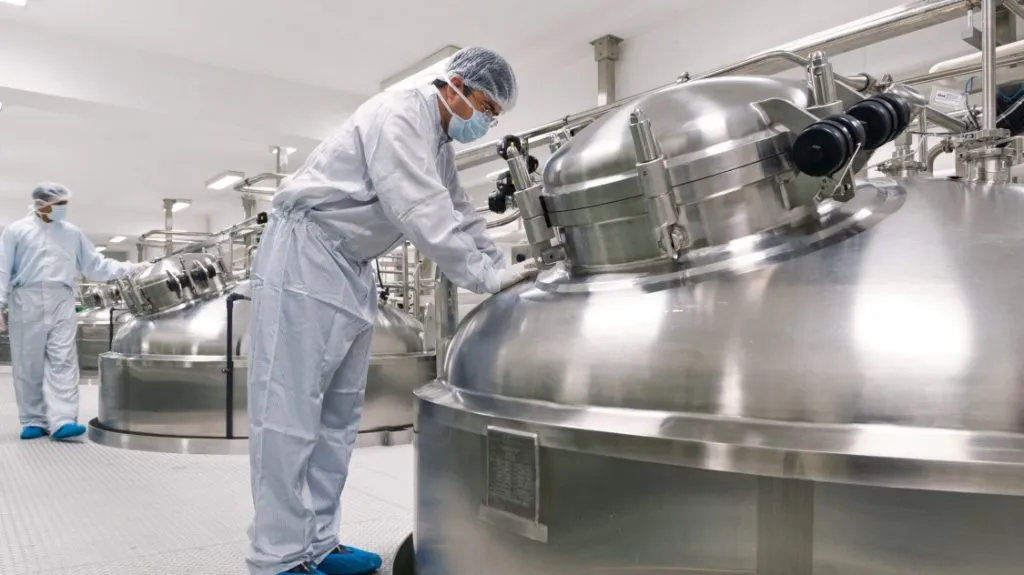
As manufacturing quality systems improved, China expanded into finished dosage forms, including injectables, anti-infectives, cardiovascular drugs, and gastrointestinal medications.
Some companies obtained international certifications such as EU and US GMP approval, enabling entry into regulated markets. This phase significantly advanced China’s global pharmaceutical expansion.
Stage 3: Innovative Drug Globalization Phase
In recent years, China has made significant progress in innovative drug development. China now accounts for approximately 30% of global drug discovery pipelines.
In 2025, China’s innovative drug licensing-out transactions exceeded USD 130 billion across more than 150 deals, marking record growth.
🐱🏍 More Chinese innovative drug projects are entering global markets through partnerships, clinical collaboration, and licensing agreements, signaling a shift toward innovation-driven growth.
Policy Support Driving China Pharmaceutical Globalization
The international expansion of China’s pharmaceutical industry is strongly supported by government policies.
Optimized Export Regulation System
Under updated regulations, pharmaceutical products manufactured under GMP standards can apply for export certification even if they are not yet approved in China.
The validity period of export sales certificates has been extended from 2 years to 3 years, facilitating global expansion and strengthening China pharmaceutical export trends.
Development of International Trade Platforms
China is building multiple regional pharmaceutical trade platforms, including China-ASEAN, China-Central Asia, Tianjin international medical equipment platform, and Ningbo Central and Eastern Europe platform.
These platforms enhance market access and accelerate the development of China’s pharmaceutical trade globalization.
Belt and Road Pharmaceutical Cooperation
The Belt and Road Initiative (BRI) provides new opportunities for global expansion, further supporting pharmaceutical industry growth in emerging markets.
Belt and Road Markets as a Key Growth Driver
Belt and Road countries are becoming an increasingly important destination for Chinese pharmaceutical exports. Compared with developed markets, these regions have large populations, developing healthcare systems, and growing demand for affordable, high-quality medicines.
Key target regions include: 🔽
● Southeast Asia: large population and growing healthcare demand
● Middle East: increasing healthcare investment and reliance on imports
● Central Asia: limited pharmaceutical production capacity
● Africa: rapidly growing population and expanding pharmaceutical demand
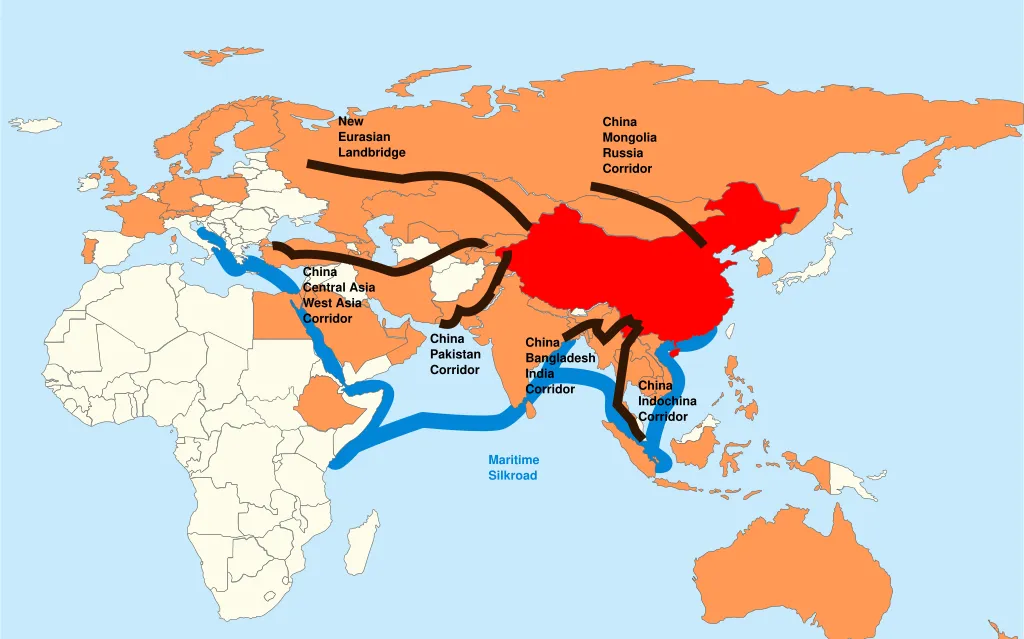
Among BRI countries, markets such as Jordan, the Philippines, and Pakistan show particularly strong growth.
Africa is widely regarded as one of the fastest-growing pharmaceutical markets globally due to population growth, disease burden, and limited local manufacturing capacity.
These emerging markets are becoming key drivers of China pharmaceutical export trends, with strong demand for anti-infectives, chronic disease therapies, and essential medicines.
Importance of Global Pharmaceutical Distribution Networks
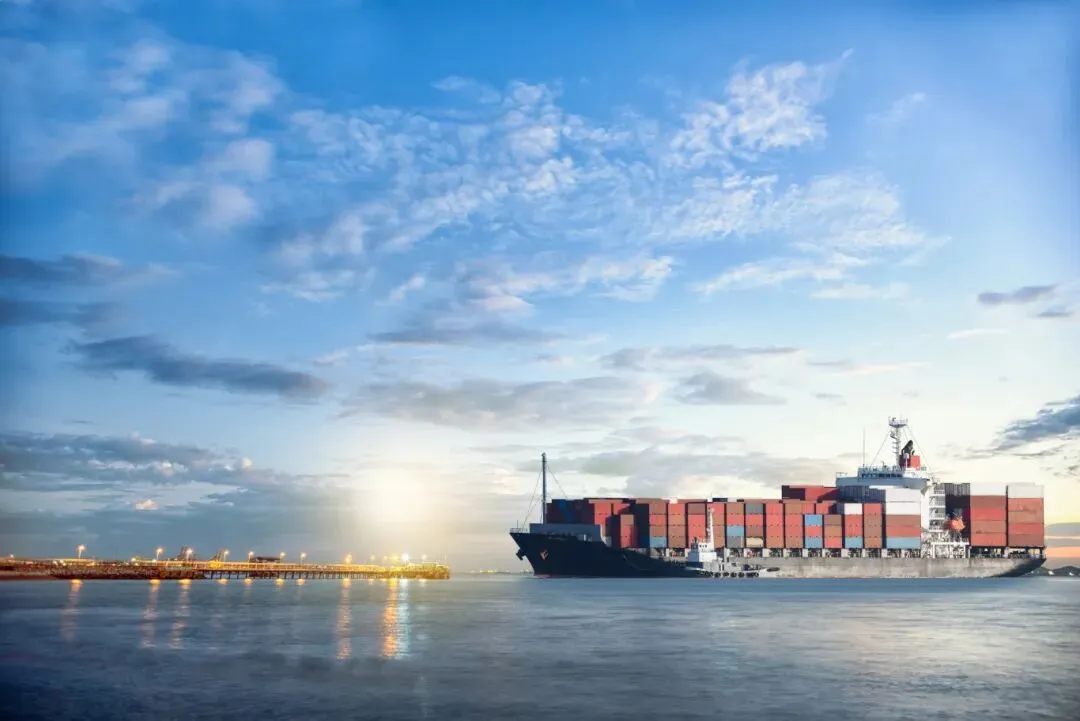
As Chinese pharmaceutical products enter more international markets, global distribution networks play an increasingly critical role in China’s global pharmaceutical supply chain.
International pharmaceutical trade involves: 🔽
● Different regulatory systems across countries
● Drug registration and compliance requirements
● Complex logistics and supply chains
● Cold chain transportation and quality control
In this context, Chinese pharmaceutical distributor DengYueMed plays an important role in global pharmaceutical trade by: 🔽
● Integrating high-quality Chinese pharmaceutical manufacturers
● Connecting global healthcare procurement needs
● Providing stable and compliant supply channels
● Improving cross-border pharmaceutical supply chain efficiency
For overseas hospitals, pharmaceutical wholesalers, and healthcare institutions, working with experienced distributors can help ensure efficient access to high-quality medicines from China.
To learn more about pharmaceutical sourcing, global drug supply, and DengYueMed’s pharmaceutical distribution network, you can read our related article for further insights. 👇
Conclusion: New Opportunities in Global Pharmaceutical Cooperation
China’s pharmaceutical industry is transitioning from a major API producer to a global participant in pharmaceutical innovation. From API exports to high-end formulations and international collaboration in innovative drugs, China pharmaceutical export trends continue to expand in scope and complexity.
With continued policy support, industrial upgrading, and rising global healthcare demand, China’s influence in the global pharmaceutical market will continue to grow.
As a pharmaceutical distributor specializing in international supply, DengYueMed is committed to facilitating the global distribution of high-quality Chinese pharmaceutical products.
Looking ahead, DengYueMed will continue to support the integration of Chinese pharmaceutical resources into global markets, contributing to a more efficient and sustainable global pharmaceutical supply network.
FAQ about China Pharmaceutical Export Trends
What are the main China pharmaceutical export trends in recent years?
In recent years, China pharmaceutical export trends show a shift from primarily exporting active pharmaceutical ingredients (APIs) to increasing exports of finished formulations and higher-value medicines. Chinese pharmaceutical companies are also expanding globally through partnerships, licensing agreements, and international clinical collaborations.
Why is China important in the global pharmaceutical supply chain?
China is one of the world’s largest producers of active pharmaceutical ingredients and plays a critical role in global drug manufacturing. Its integrated pharmaceutical industry allows large-scale production and reliable supply for many international pharmaceutical companies.
Which regions are key markets for Chinese pharmaceutical exports?
Emerging markets such as Southeast Asia, the Middle East, Central Asia, and Africa are important destinations for Chinese pharmaceutical products. These regions often have growing populations and increasing demand for affordable medicines and healthcare infrastructure.
What role do pharmaceutical distributors play in global drug supply?
Pharmaceutical distributors connect manufacturers with hospitals, wholesalers, and healthcare institutions worldwide. They help manage regulatory requirements, logistics, and cross-border supply chains to ensure medicines reach international markets efficiently.