
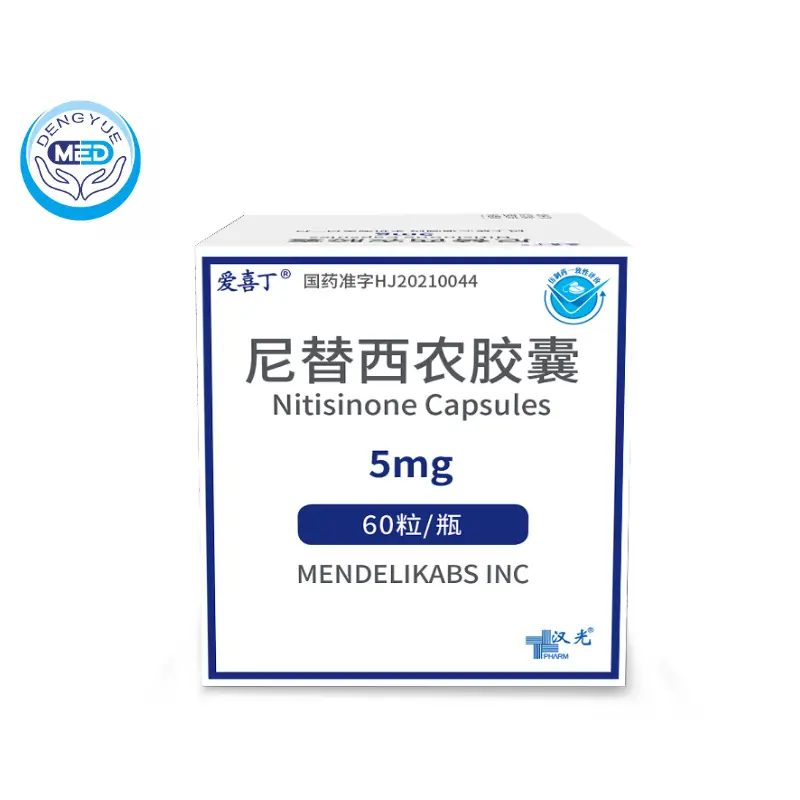
Nitisinone Capsules | Hereditary Tyrosinemia Type 1
- Generic Name/Brand Name: Nitisinone / AiXiDing
- Indications: Hereditary Tyrosinemia Type 1 (HT-1) in both adults and children.
- Dosage Form: Capsules
- Specification: 2mg/5mg/10mg
Nitisinone Application Scope
Nitisinone, a new and special drug, is used for treating hereditary tyrosinemia type 1 (HT-1), a condition that can lead to liver failure, liver cancer, and kidney diseases. Early treatment can improve overall survival rates and prevent complications.
Nitisinone Characteristics
- Ingredients: The active ingredient is Nitisinone.
- Properties: Hydroxyphenylpyruvate dioxygenase inhibitor.
- Specification: (1) 2mg; (2) 5mg; (3) 10mg
- Packaging Specification: High-density polyethylene bottle with a low-density polyethylene cap, 60 capsules per bottle.
- Storage: Store in a dry place at room temperature, away from light and moisture.
- Expiry Date: As indicated on the packaging.
- Executive Standard: Complies with pharmaceutical regulations.
- Approval Number: HJ20210042 (2mg), HJ20210044 (5mg), HJ20210043 (10mg).
- Date of Revision: As per the latest update.
- Manufacturer: LABORATOIRES K.A.B.S.INC
Guidelines For The Use Of Nitisinone
Dosage and Administration:
- Initial Dosage: The recommended starting dose for adults and children is 1mg/kg/day, taken orally in two divided doses. Dosage adjustments should be based on individual biochemical and clinical responses.
- Maintenance Dosage: For patients aged 5 years and older with a body weight ≥20kg, a total daily dose may be given once daily after stabilization for at least 4 weeks, provided no succinylacetone is detected in serum or urine.
- Dose Adjustment:
- Monitor plasma or urine succinylacetone levels, liver function parameters, and alpha-fetoprotein levels.
- If succinylacetone remains detectable after 4 weeks of treatment, the dose may be increased to 1.5mg/kg/day in two divided doses. The maximum daily dose can be adjusted to 2mg/kg based on biochemical indicators.
- Maintain plasma tyrosine levels below 500μmol/L through dietary management of tyrosine and phenylalanine intake. Adjustments should focus on diet rather than altering the dose of Nitisinone.
- Special Populations:
- For patients aged 65 years and older, clinical studies are unavailable. Dose selection should be cautious.
Adverse Reactions:
- Common adverse reactions include thrombocytopenia, leukopenia, and visual disturbances such as conjunctivitis, corneal opacity, keratitis, and photophobia. No patients discontinued treatment due to adverse reactions.
Medication Limitations
Contraindications:
- Patients allergic to Nitisinone or any excipients in the product.
- Breastfeeding women receiving Nitisinone treatment should avoid nursing.
Precautions:
- Dietary intake of tyrosine and phenylalanine must be restricted during treatment. Consult a specialist for dietary guidance.
- Patients should be closely monitored for biochemical markers and potential complications.
Nitisinone Interactions
- Currently, there is limited data on drug interactions with Nitisinone. Patients should inform their physician about all medications they are taking.
Note: If there is a new packaging for the drug, the new packaging shall prevail. The above information is sourced from DengYueMed. It is only for internal discussion among medical staff and does not serve as a basis for medication. For specific medication guidelines, please consult the attending physician.
Contact Us
Related products
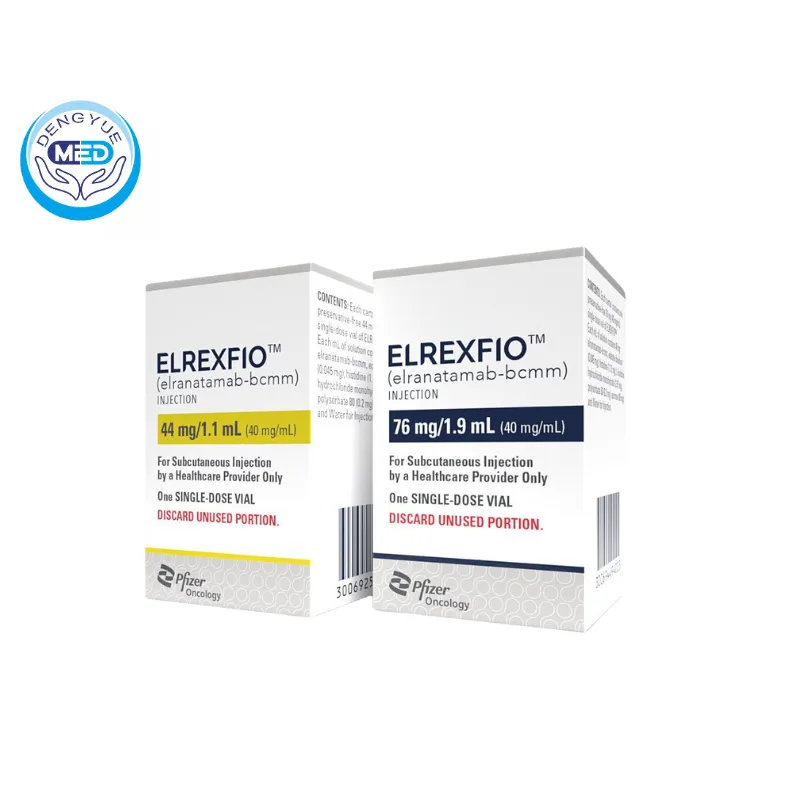
Elranatamab|Multiple Myeloma|HongKong DengYue Medicine

Quinlock Ripretinib – GIST | HongKong DengYue Medicine
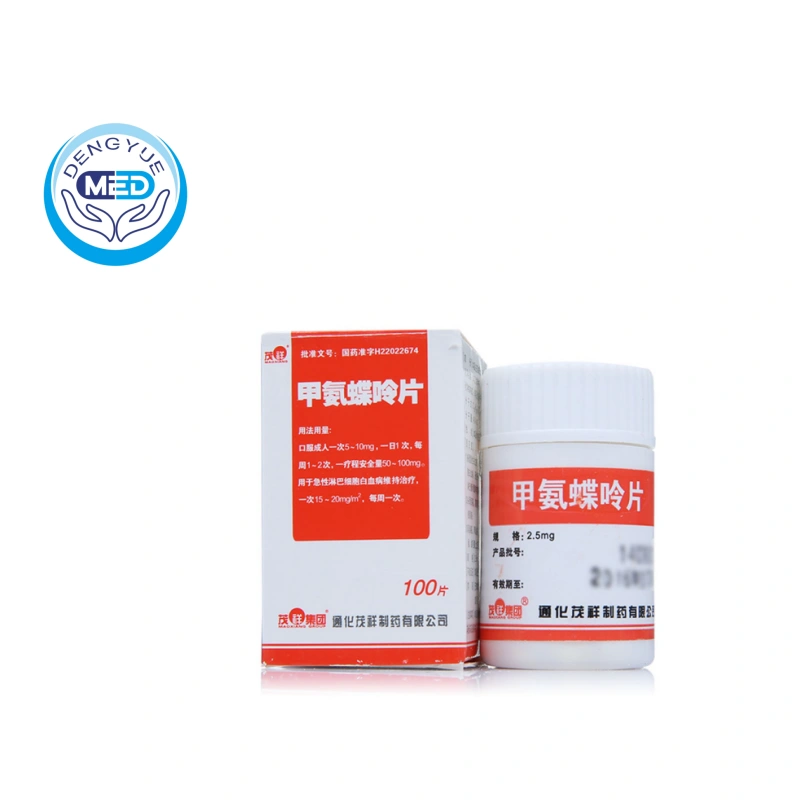
Methotrexate 2.5mg Tablets | Cancer Chemotherapy
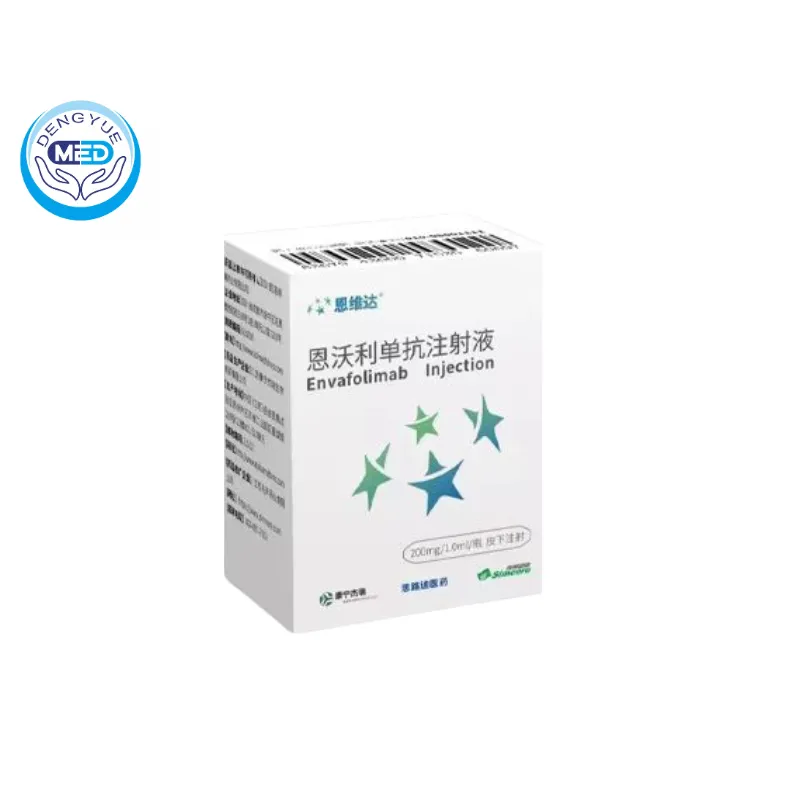
Enweida (Envafolimab) | Advanced Solid Tumors | DengYue
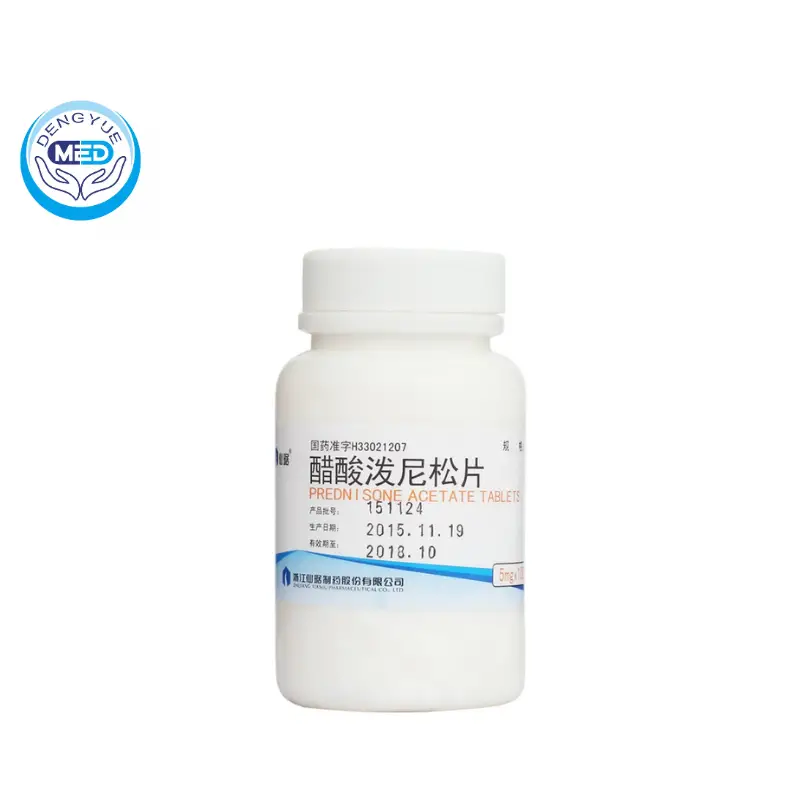
Prednisone Acetate Tablets|Immune Inflammatory Diseases

Golidocitinib Capsules|T-cell Lymphoma|HongKong DengYue Medicine
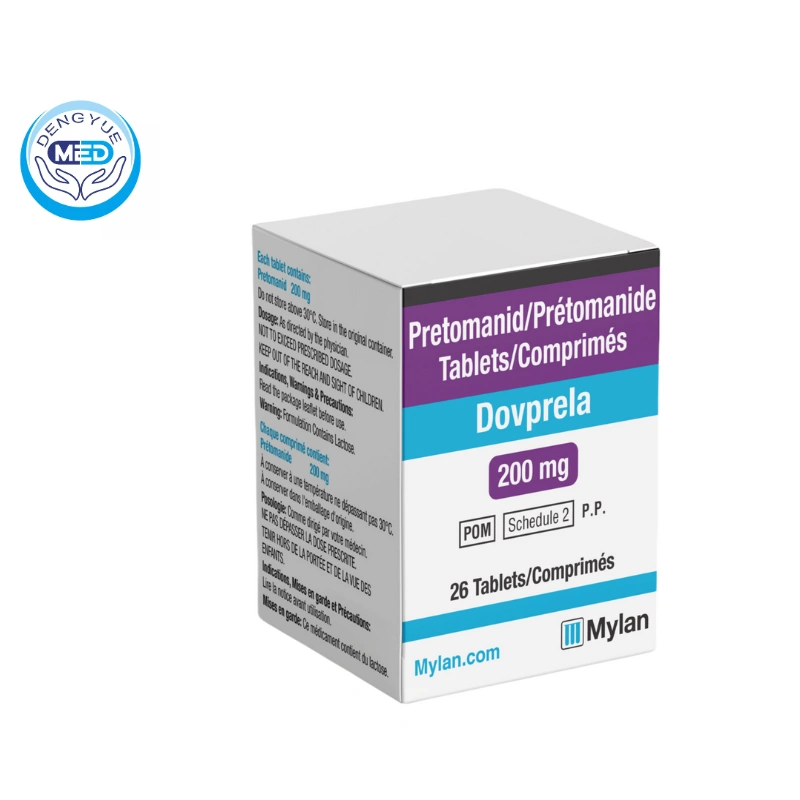
Pretomanid|Tuberculosis (TB)|HongKong DengYue Medicine
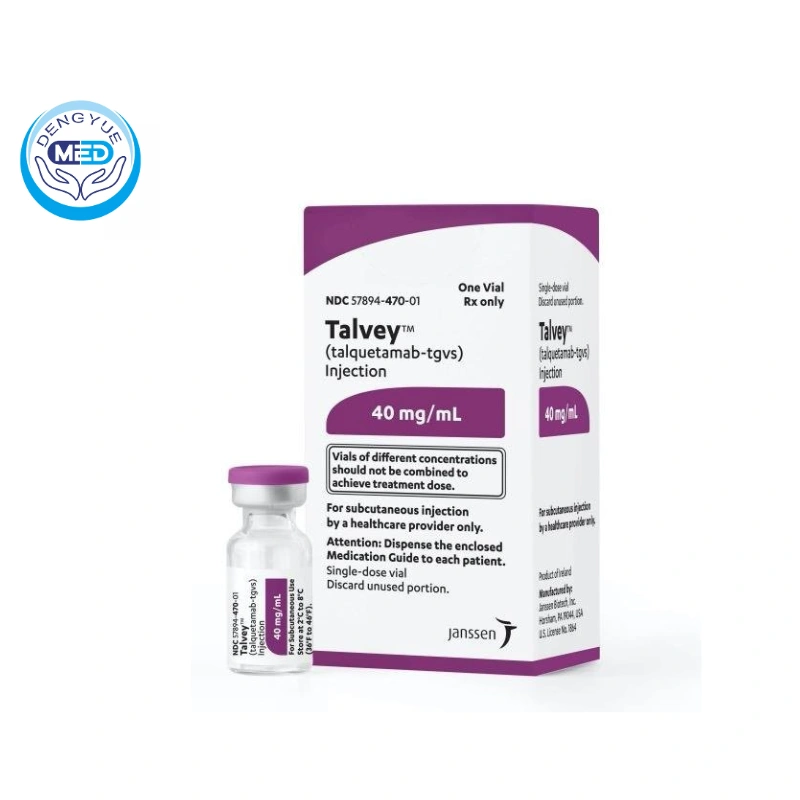
Talquetamab-tgvs|Multiple Myeloma|HongKong DengYue Medicine
Reviews
There are no reviews yet.