
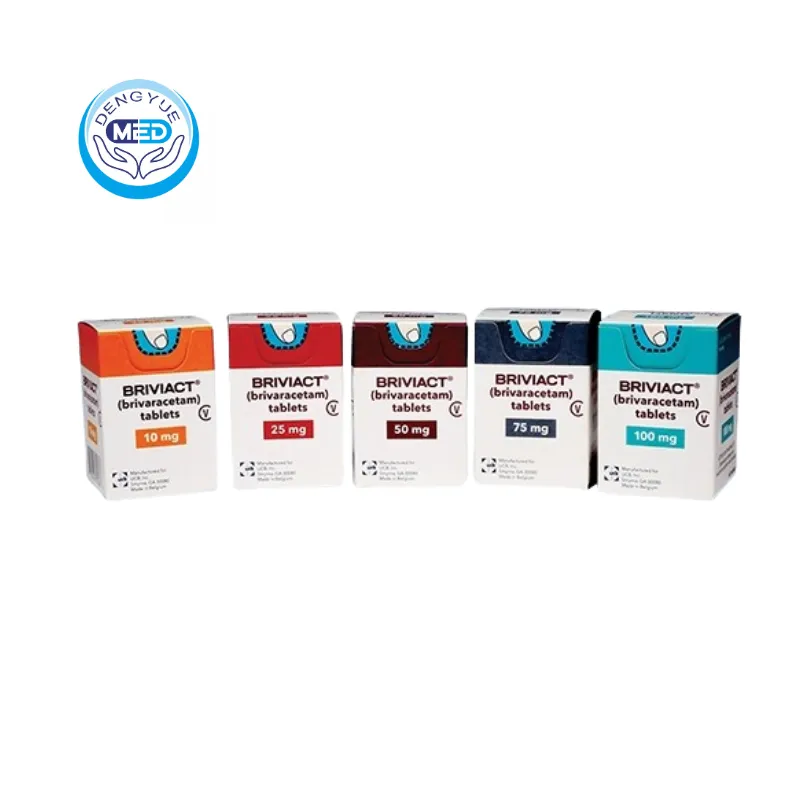
Brivaracetam | Partial-Onset Seizures | HongKong DengYue Medicine
- Generic Name/Brand Name: Brivaracetam / Briviact
- Indications: Partial-onset seizures in patients aged 1 month and older
- Dosage Form: Tablets
- Specification: (Tablets) 10-100 mg, (Oral Solution) 10 mg/mL, (Injection) 50 mg/5 mL single-dose vial
Brivaracetam Application Scope
Brivaracetam is indicated for the treatment of partial-onset seizures in patients aged 1 month and older. It can be used as monotherapy or as adjunctive therapy in combination with other antiepileptic drugs.
Brivaracetam Characteristics
Ingredients:
- Brivaracetam
- Properties: (Mechanism of Action) Brivaracetam binds with high affinity to synaptic vesicle protein 2A (SV2A), modulating neurotransmitter release and reducing seizure activity
Packaging Specification:
Tablets: 60-count bottles
Oral Solution: 300 mL bottles
Injection: Single-use vials
Storage:
General: Store at room temperature (15°C to 30°C / 59°F to 86°F)
Oral Solution: Discard any unused portion 5 months after opening
Expiry Date: Refer to the packaging for specific expiration information.
Executive Standard: Refer to the prescribing information for detailed standards.
Approval Number: Refer to the official prescribing information for regulatory approval details.
Date of Revision: May 2023
Manufacturer: UCB, Inc.
Guidelines for the Use of Brivaracetam
Dosage and Administration:
Adults (≥16 years):
Initial Dose: 50 mg twice daily
Maintenance Dose: Adjust between 25 mg to 100 mg twice daily based on response
Maximum Dose: 200 mg/day
Pediatric Patients (1 month to <16 years):
Dosing: Based on body weight; administered twice daily
Hepatic Impairment:
Adjustment: Recommended for all stages; reduce starting dose and do not exceed 150 mg/day
Administration:
Oral: Tablets should be swallowed whole with liquid; do not chew or crush.
IV Injection: Administer over 2 to 15 minutes when oral administration is not feasible
Adverse Reactions:
Common Side Effects:
Somnolence/sedation
Dizziness
Fatigue
Nausea and vomiting
Contraindications: Hypersensitivity to brivaracetam or any of its inactive ingredients
Precautions:
Suicidal Behavior and Ideation: Monitor patients for emerging or worsening depression, suicidal thoughts, or behavior.
Neurological Effects: Caution with activities requiring mental alertness (e.g., driving) until drug effects are known.
Psychiatric Effects: Monitor for behavioral changes, including irritability and aggression.
Hypersensitivity Reactions: Discontinue if bronchospasm or angioedema occurs.
Withdrawal: Gradual discontinuation is recommended to minimize the risk of increased seizure frequency
Interactions
Drug Interactions:
Rifampin: May decrease brivaracetam levels; dosage adjustment recommended.
Carbamazepine: May increase carbamazepine metabolite levels; monitor for toxicity.
Phenytoin: May increase phenytoin levels; monitor concentrations.
Levetiracetam: No added benefit when co-administered; consider monotherapy
Note:
- If there is a new packaging for the drug, the new packaging shall prevail. The above information is sourced from DengYue Medicine.
- It is only for internal discussion among medical staff and does not serve as a basis for medication. For specific medication guidelines, please consult the attending physician.
Related products
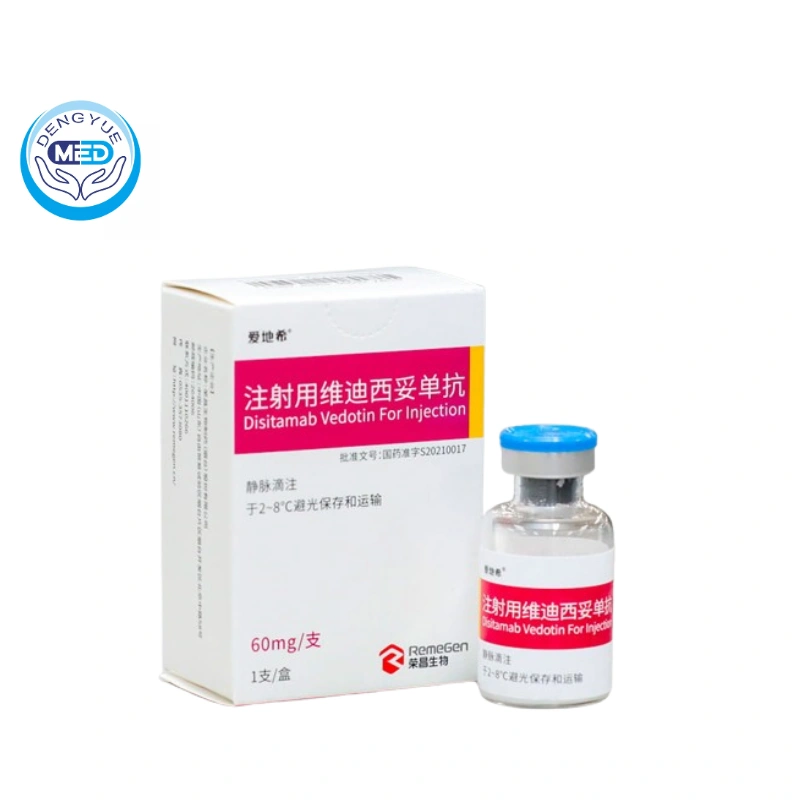
Aidixi Disitamab Vedotin Of Injection | HER2-Overexpressing | DengYueMedicine
.webp "myozyme(alglucosidase alfa)")
Myozyme(Alglucosidase Alfa )- Pompe Disease

Nusinersen Injection – Spinal Muscular Atrophy

Syprine Trientine Hydrochloride Tablets | Wilson’s Disease | DengYueMedicine

Hydroxycarbamide Tablets | Treatment of Leukemia
.webp "vimizim(elosulfase alpha)")
Vimizim Elosulfase Alpha | Mucopolysaccharidosis Type IV

Recombinant Human Somatropin | Growth Hormone Deficiency | DengYueMedicine

Carbaglu Carglumic Acid | Urea Cycle Disorders | HK DengYueMedicine
Reviews
There are no reviews yet.