
Cuprior (Trientrine Tetrahydrochloride) – Wilson’s Disease | HongKong DengYue Medicine
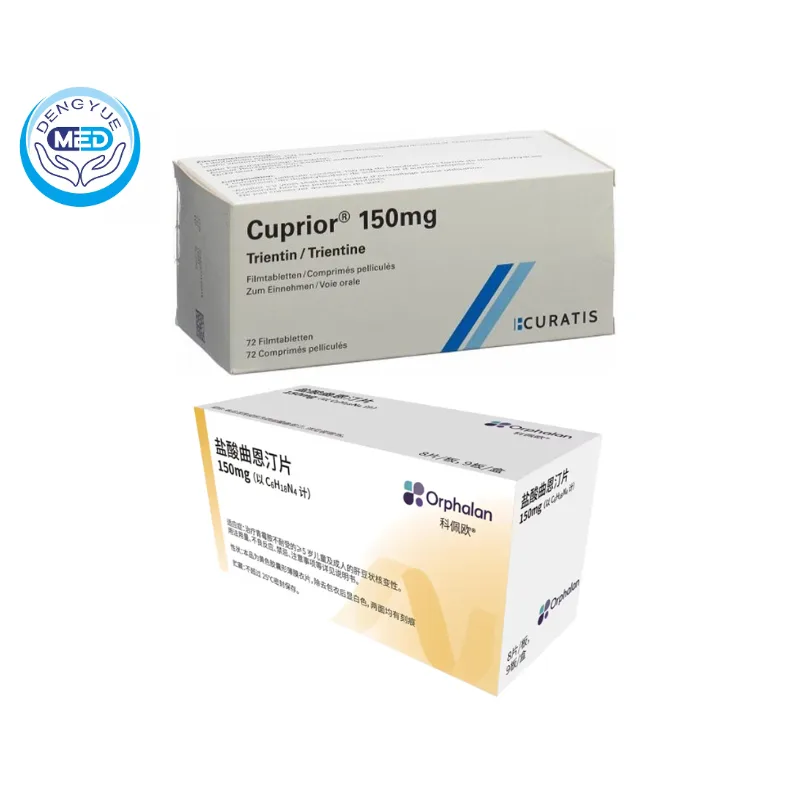
- Generic Name/Brand Name: Trientine Tetrahydrochloride/Cuprior
- Indications: Wilson’s Disease
- Dosage Form: Film-coated tablets
- Specification: 150mg x 72 tablets
Trientrine Tetrahydrochloride Application Scope
- Indications: Treatment of Wilson’s disease in adults, adolescents, and children aged 5 years and older who are intolerant to D-penicillamine therapy.
- Mechanism of Action: Trientine is a copper chelating agent. It works by binding to excess copper in the body and promoting its excretion through urine. It also reduces copper absorption from the intestines.
Trientrine Tetrahydrochloride Characteristics
-
Ingredients: Trientine Tetrahydrochloride
-
Properties: A white to off-white crystalline solid. The tetrahydrochloride salt is more stable than the dihydrochloride salt and can be stored at room temperature.
-
Packaging Specification: Varies by manufacturer and brand. Usually available as film-coated tablets.
-
Storage: The more stable tetrahydrochloride formulation can typically be stored at room temperature (e.g., below 30°C). Always check the specific packaging for storage instructions.
-
Expiry Date: Varies by batch. Refer to the date printed on the packaging.
-
Executive Standard: These are specific to the country and regulatory body (e.g., FDA in the U.S., EMA in Europe, NMPA in China).
-
Approval Number: This information can be found on the product’s official packaging or in the package insert.
-
Date of Revision: Varies. Indicates the most recent update to the package insert.
-
Manufacturer: The manufacturer of “Cuprior” is Orphalan.
Guidelines for the Use of Trientrine Tetrahydrochloride
-
Dosage and Administration:
-
Recommended Dose: The dose may be adjusted based on clinical assessment and laboratory monitoring of copper levels.
-
Administration: Take on an empty stomach, at least one hour before or two hours after meals. Take at least one hour apart from any other medicinal products, food, or milk. This is crucial for maximizing absorption and preventing the drug from binding to other metals in the gastrointestinal tract.
-
Missed Dose: If a dose is missed, take it as soon as you remember. However, if it is almost time for your next dose, skip the missed dose and continue with your regular schedule. Do not double the dose.
-
-
Adverse Reactions:
-
Common Adverse Reactions: Nausea, abdominal pain, changes in bowel habits (constipation or diarrhea), skin rash, hair loss, and mood swings.
-
Serious Adverse Reactions: Potential worsening of clinical symptoms at initiation (e.g., neurological deterioration), copper deficiency, iron deficiency, hypersensitivity reactions (e.g., rash), colitis (including severe colitis), muscle spasms, rhabdomyolysis, dystonia, myasthenia gravis, sideroblastic anaemia, duodenitis, urticaria.
-
-
Contraindications: Hypersensitivity to trientine or to any of the excipients.
-
Precautions:
- Medical Supervision: Treatment should only be initiated and monitored by a specialist physician with experience in managing Wilson’s disease.
- Monitoring: Regular monitoring of symptoms and copper levels is essential. This may include measuring serum non-ceruloplasmin copper and 24-hour urinary copper excretion.
- Drug Interactions: Avoid co-administration with mineral supplements (e.g., iron, zinc, calcium, magnesium). If necessary, administer these supplements at least 2 hours apart from trientine.
- Pregnancy and Breastfeeding: Use during pregnancy only if the potential benefit justifies the potential risk to the fetus. Close monitoring of maternal copper levels is essential. It is unknown if trientine is excreted in human milk, so a decision must be made to either discontinue breastfeeding or the medication.
Trientrine Tetrahydrochloride Interactions
- Mineral Supplements: Trientine can chelate (bind to) other metal ions, such as iron, zinc, calcium, and magnesium, which can decrease the absorption and efficacy of both the chelator and the minerals. It is recommended to separate the administration of trientine from mineral supplements by at least one to two hours.
- Other Oral Drugs: Trientine may bind to other drugs in the gastrointestinal tract, potentially decreasing their systemic absorption. It is advisable to separate the administration of trientine from other oral drugs by at least one hour.
- Food and Milk: Trientine should be taken on an empty stomach, as food and milk can interfere with its absorption.
Note:
- If there is a new packaging for the drug, the new packaging shall prevail. The above information is sourced from DengYue Medicine.
- This content is for reference only. Prescription drugs must be used under a doctor’s guidance and purchased from authorized sources.
Related products
-

Enspryng Satralizumab | Optic Nerve Myelitis Spectrum Disorders
-
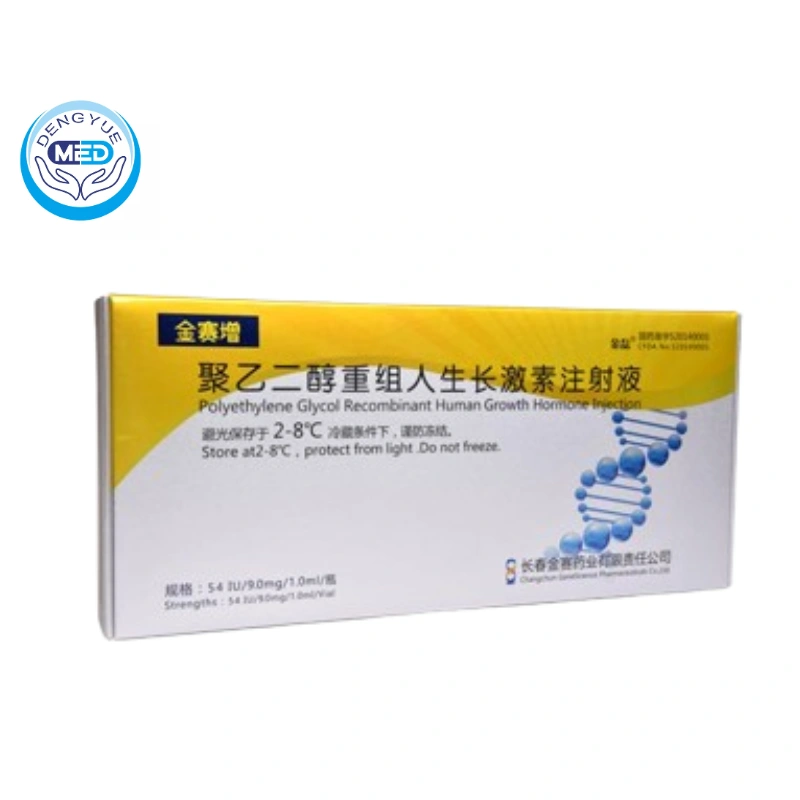
Recombinant Human Somatropin | Growth Hormone Deficiency | DengYueMedicine
-
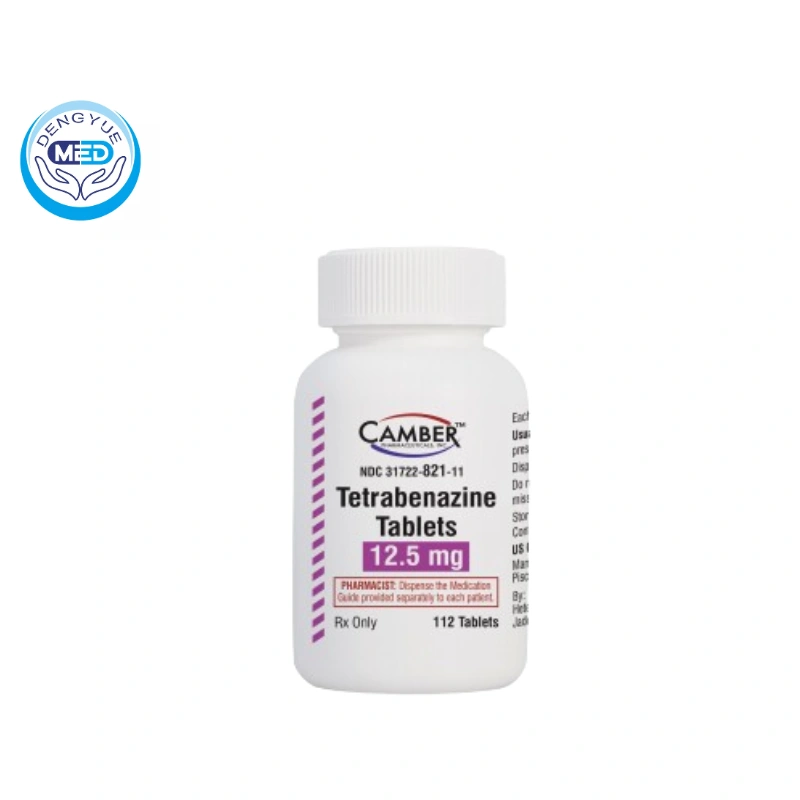
Tetrabenazine Tablets | Huntington’s Disease | DengYueMedicine
-
Vimizim Elosulfase Alpha | Mucopolysaccharidosis Type IV
-

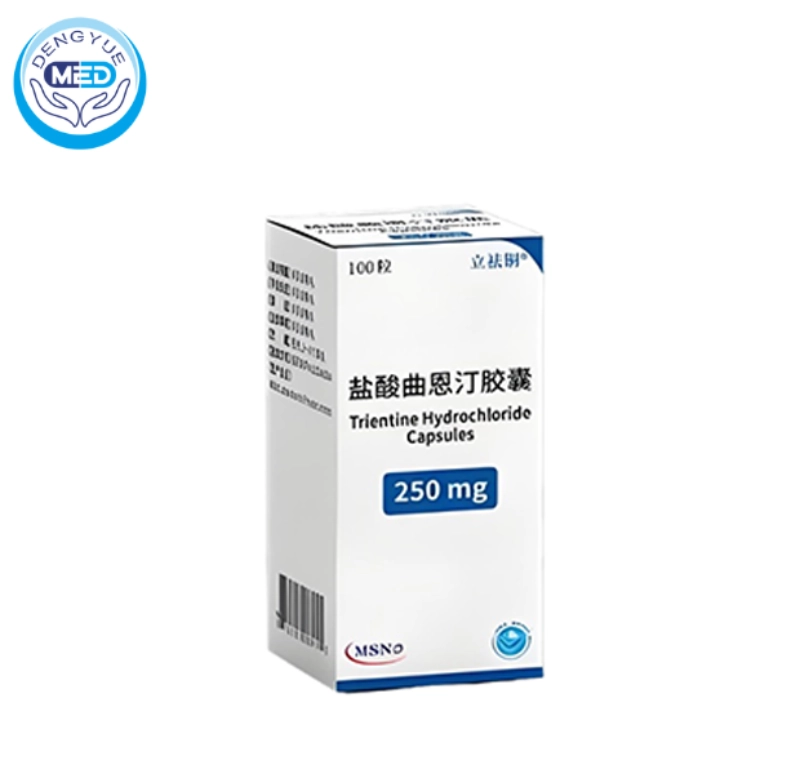
Syprine Trientine Hydrochloride Tablets | Wilson’s Disease | DengYueMedicine
-
Gattex Teduglutide | Short Bowel Syndrome | DengYueMedicine
-
Teysuno (Tegafur Gimeracil and Oteracil Potassium) – Gastric Cancer | HongKong DengYue Medicine
-
Nitisinone Capsules | Hereditary Tyrosinemia Type 1

.webp "Vimizim Elosulfase Alpha | Mucopolysaccharidosis Type IV")
Reviews
There are no reviews yet.