
Supect (Radotinib) – Ph+ CML | HongKong DengYue Medicine
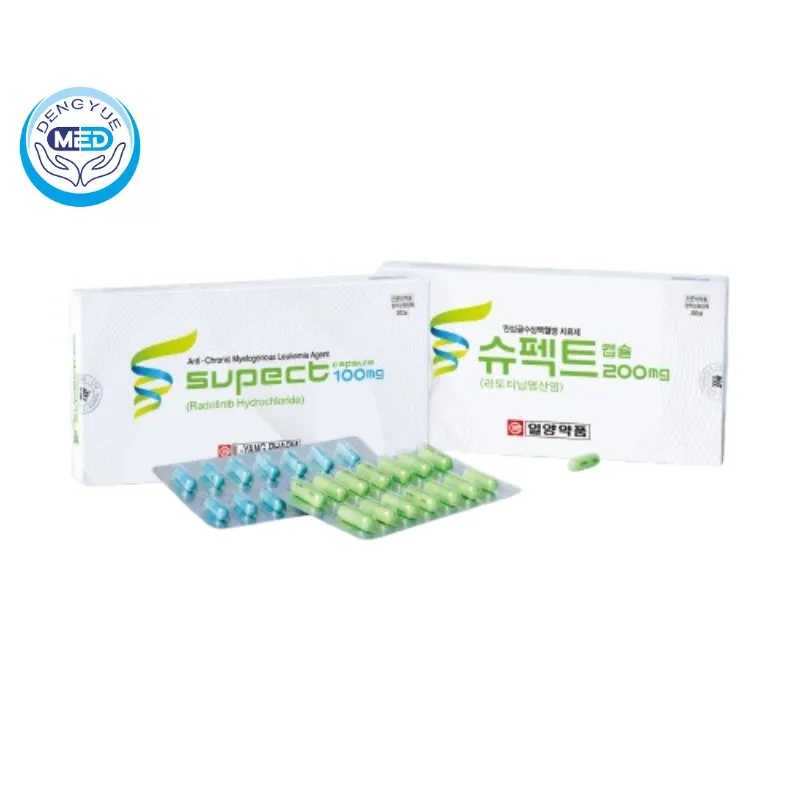
- Generic Name/Brand Name: Radotinib/Supect
- Indications: Ph+ CML
- Dosage Form: Capsule, for oral use
- Specification: 100 mg & 200 mg × 28
Radotinib Application Scope
Radotinib is indicated for the treatment of adult patients with Philadelphia chromosome-positive (Ph+) chronic myeloid leukemia (CML) in the chronic phase who are resistant or intolerant to prior therapy with first-generation tyrosine kinase inhibitors such as imatinib. It is also under investigation for newly diagnosed Ph+ CML patients and has shown efficacy in clinical trials for resistant cases. As of 2025, it is approved primarily in South Korea for these uses, with recent declarations for market approval in China for new diagnoses or TKI-insensitive chronic phase CML.
Radotinib Characteristics
Ingredients: Radotinib dihydrochloride (active ingredient)
Properties: Selective second-generation Bcr-Abl tyrosine kinase inhibitor (TKI). It also inhibits the platelet-derived growth factor receptor (PDGFR). It is a small molecule drug.
Packaging Specification: Available as capsules, typically 100 mg and 200 mg strength (of free Radotinib).
Storage: Store at -20°C. For pharmaceutical use, standard room temperature storage is likely recommended, but specific conditions should follow manufacturer guidelines to maintain stability.
Expiry Date: Pharmaceutical expiry should be per package labeling.
Executive Standard: Approved under Korean Food and Drug Administration (KFDA) standards as of 2012.
Approval Number: As indicated on the packaging.
Date of Revision: Last major clinical updates around 2015 for expanded indications in Korea.
Manufacturer: IL-Yang Pharmaceutical Co., Ltd. (South Korea)
Guidelines for the Use of Radotinib
Dosage and Administration:
Recommended Dose: Typically orally twice daily (total /day). Dose reduction may be necessary based on tolerability and liver function.
Administration: Typically taken orally as capsules, approximately 12 hours apart. It is recommended to be taken on an empty stomach (e.g., at least 2 hours before or 1 hour after a meal) to enhance absorption. Advised to swallow capsules whole with water.
Missed Dose: In the case of a missed dose, it is generally advised not to take a double dose, but to take the next dose at the regularly scheduled time. (Specific guidance may vary; consult the local product label).
Adverse Reactions:
Common Adverse Reactions: Thrombocytopenia, neutropenia, anemia, gastrointestinal events (nausea, itching), liver enzyme elevations (e.g., transaminases), hyperbilirubinemia, lipase elevations, leukopenia, fatigue.
Serious Adverse Reactions: Cardiovascular toxicity including QT prolongation, reduced left ventricular ejection fraction, severe coronary artery disease (in ~20% of patients). Life-threatening events may occur; monitor ECG.
Contraindications:
- Hypersensitivity to the drug or any of its components.
- Caution is advised in patients with pre-existing heart or liver conditions.
Precautions:
- Cardiovascular Monitoring: Radotinib shares cardiovascular toxicity reported with other second-generation TKIs (like nilotinib), including QT prolongation and arterial vascular occlusive events. Close monitoring is essential, particularly in patients with pre-existing heart conditions.
- Hepatic and Renal Function: Regular blood tests are crucial to monitor liver and renal function due to the risk of hepatic dysfunction and elevated liver enzymes/bilirubin.
- Hematologic Monitoring: Regular monitoring of complete blood counts (CBC) is necessary for myelosuppression. Dose modifications (interruption or reduction) are often required for significant hematologic or non-hematologic toxicities.
- Pregnancy and Breastfeeding: Advised against use due to potential risks to the fetus or infant.
- Body Weight: A significant positive association has been found between the starting dose adjusted for body weight and the probability of dose-limiting toxicity; dose attenuation may be necessary, especially in patients with smaller body size.
Radotinib Interactions
- CYP3A4 Inhibitors: Co-administration with strong inhibitors of cytochrome P450 3A4 (CYP3A4), such as ketoconazole, itraconazole, and ritonavir, can significantly increase Radotinib plasma concentrations, raising the risk of toxic effects.
- CYP3A4 Inducers: Co-administration with strong inducers of CYP3A4, such as rifampin, phenytoin, and carbamazepine, can reduce Radotinib plasma concentrations, diminishing its therapeutic effect.
- QT-prolonging drugs: Use with other medications that prolong the QT interval (e.g., certain antiarrhythmics, antipsychotics, antidepressants) may increase the risk of life-threatening arrhythmias.
- Food: Grapefruit and grapefruit juice should be avoided as they inhibit CYP3A4 and can increase Radotinib levels.
- Other Potential Interactions: The efficacy of certain thyroid medications (e.g., Levothyroxine) may be decreased. The serum concentration of Acetaminophen may be increased.
Note:
- If there is a new packaging for the drug, the new packaging shall prevail. The above information is sourced from DengYue Medicine.
- This content is for reference only. Prescription drugs must be used under a doctor’s guidance and purchased from authorized sources.
Related products
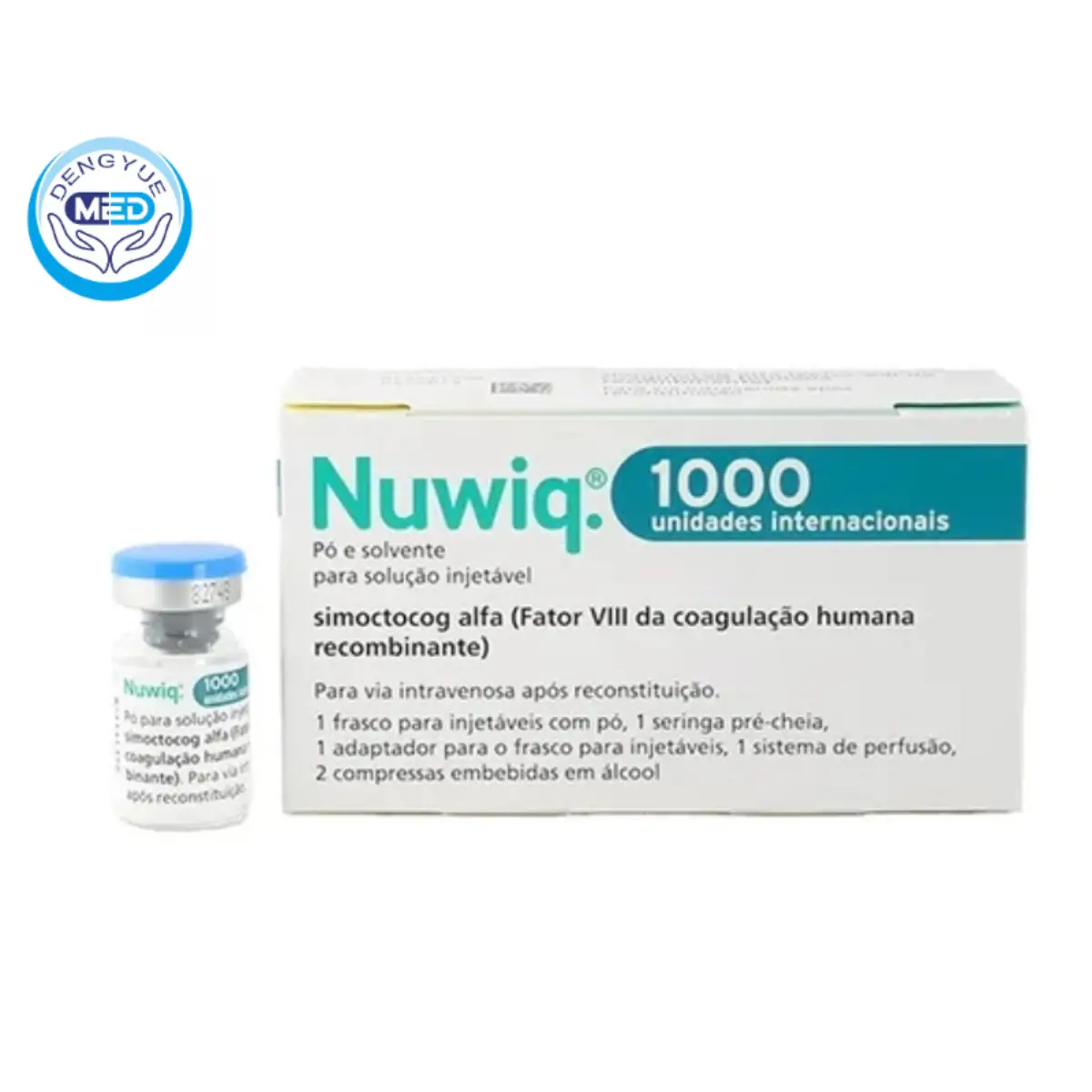
Simoctocog Alfa|Hemophilia A|HongKong DengYue Medicine
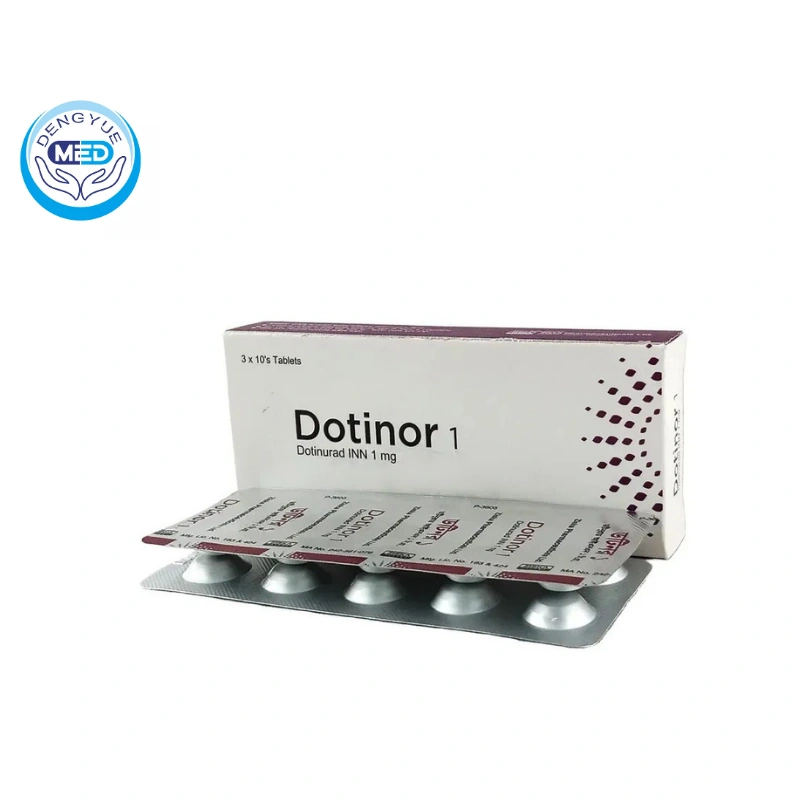
Dotinurad|Hyperuricemia|HongKong DengYue Medicine
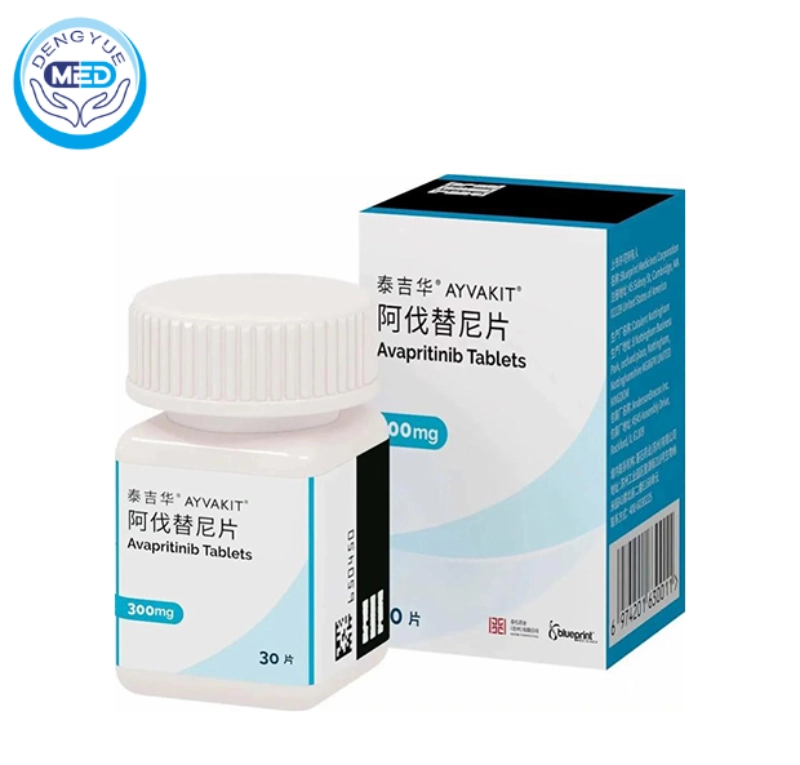
Ayvakit (Avapritinib) – Systemic Mastocytosis | HongKong DengYue Medicine

Pirtobrutinib|Chronic Lymphocytic Leukemia (CLL)
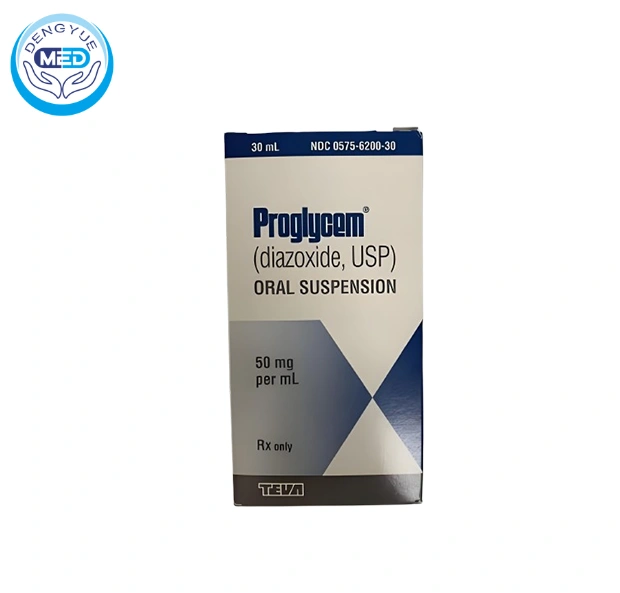
Proglycem Diazoxide | Hyperinsulinemic Hypoglycemia | DengYueMedicine

Azathioprine Tablets
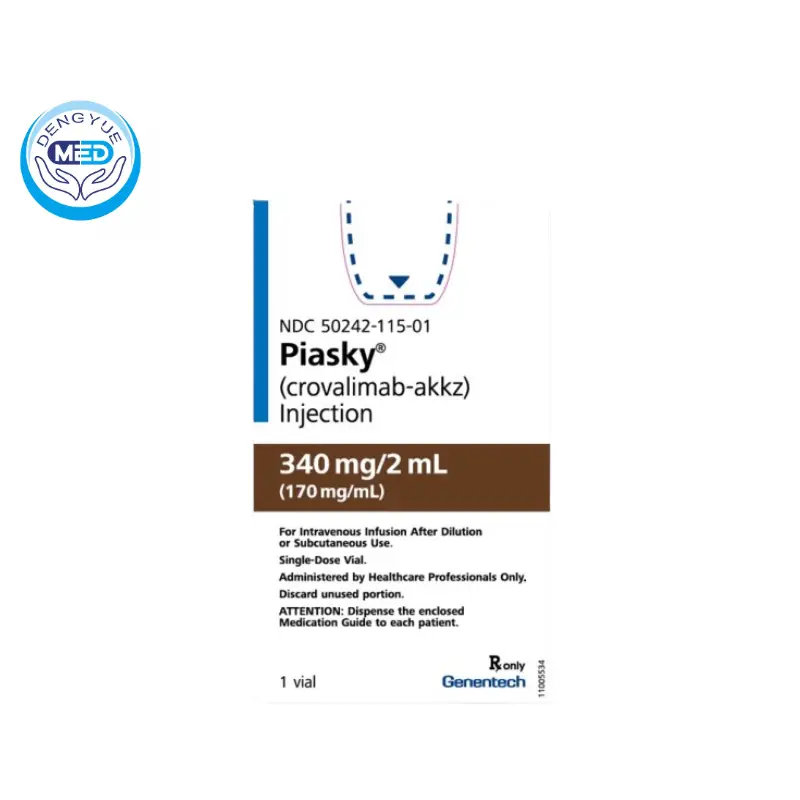
Piasky Crovalimab | Paroxysmal Nocturnal Hemoglobinuria
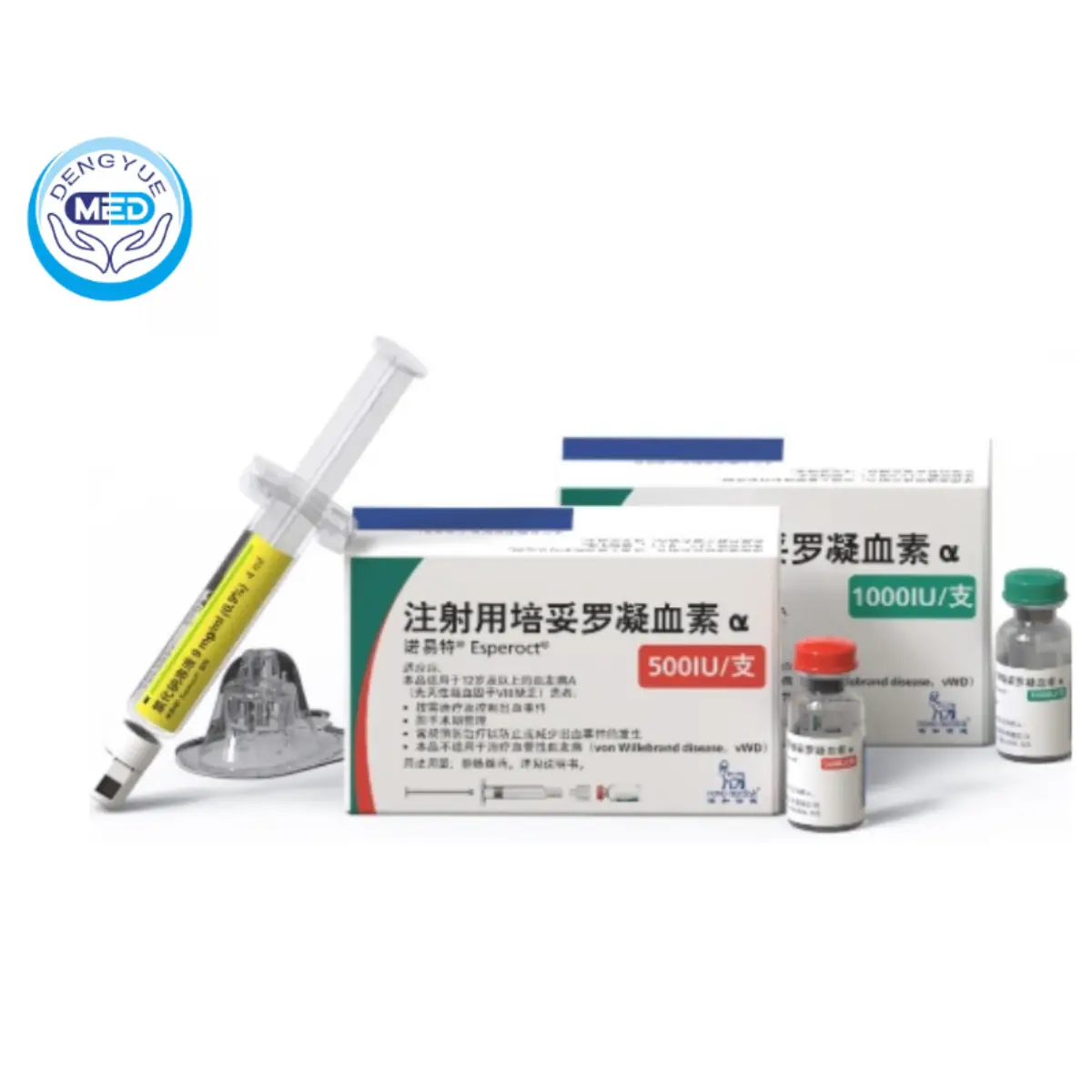
Turoctocog Alfa|Hemophiliac|HongKong DengYue Medicine
Reviews
There are no reviews yet.