
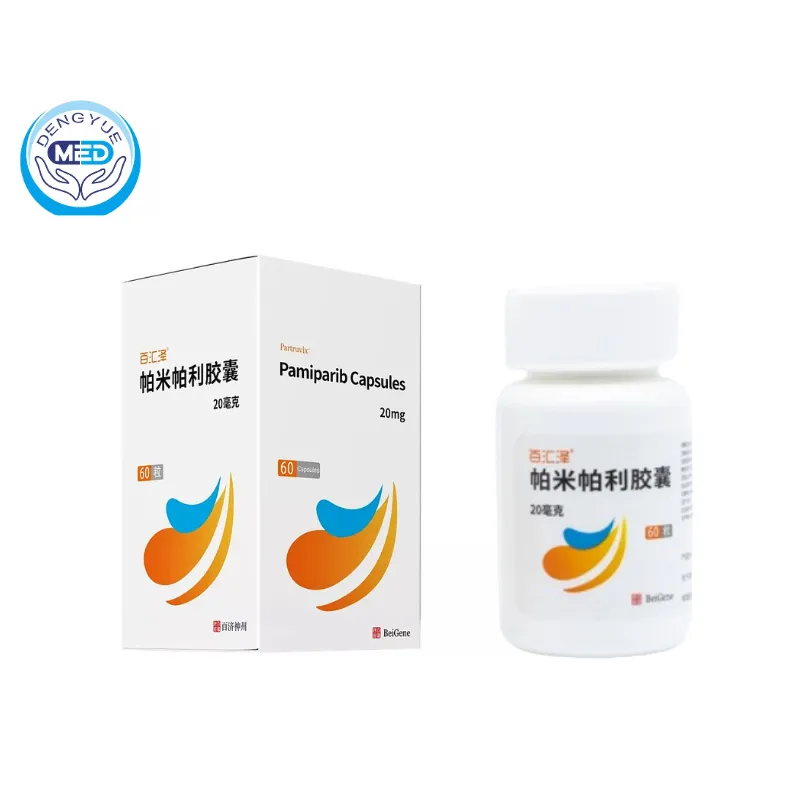
Partruvix (Pamiparib) – gBRCA | HongKong DengYue Medicine
- Generic Name/Brand Name: Pamiparib/Partruvix
- Indications:Germline BRCA mutation-associated recurrent advanced ovarian, fallopian tube, and primary peritoneal cancer
- Dosage Form: Administered orally in the form of capsules
- Specification: 20 mg/capsule x 60 capsules / bottle
Pamiparib Application Scope
It is approved in China for the treatment of germline BRCA mutation-associated recurrent advanced ovarian, fallopian tube, or primary peritoneal cancer in patients who have previously undergone two or more lines of chemotherapy.
Pamiparib Characteristics
Ingredients: Pamiparib
Properties: The capsule shell is opaque. The contents are yellow pellets
Packaging Specification: Available Strength: 20 mg/capsule (calculated as C₁₆H₁₅FN₄O); Package Size: 60 capsules per bottle/box
Storage: Store at room temperature (details not explicitly found in sources; general recommendation is 20-25°C)
Expiry Date: To be stated on the specific packaging based on the manufacturing date, typically 24-36 months
Executive Standard: Complies with the quality standards approved by the National Medical Products Administration (NMPA) of China
Approval Number: Approved by the National Medical Products Administration (NMPA) in China
Date of Revision: Approved by the National Medical Products Administration (NMPA) in China
Manufacturer: BeiGene Ltd
Guidelines for the Use of Pamiparib
Dosage and Administration:
Recommended Dose: 40 mg taken orally twice daily.
Administration: Swallow capsules whole with or without food.
Missed Dose: If a dose is missed, take it as soon as remembered unless it is almost time for the next dose. Do not double doses.
Adverse Reactions:
Common Adverse Reactions:
Blood and lymphatic system disorders: Anemia, leukopenia, neutropenia, thrombocytopenia, lymphocytopenia.
Gastrointestinal disorders: Nausea, vomiting, diarrhea, abdominal pain, decreased appetite.
General disorders and administration site conditions: Fatigue.
Investigations: Increased AST, increased ALT, increased blood bilirubin.
Serious Adverse Reactions:
Myelodysplastic syndrome (MDS) and acute myeloid leukemia (AML) have been reported with PARP inhibitors.
Severe hematological toxicities (e.g., severe anemia, neutropenia, thrombocytopenia).
If serious adverse reactions occur, dose interruption, reduction, or discontinuation may be necessary.
Contraindications: Hypersensitivity to pamiparib or any component of the formulation.
Precautions:
Use with caution in patients with hepatic or renal impairment.
Not recommended during pregnancy or breastfeeding.
Effective contraception is advised for women of childbearing potential during and after treatment.
Pamiparib Interactions
CYP3A Inhibitors: Co-administration may increase pamiparib levels, potentially enhancing side effects.
CYP3A Inducers: Co-administration may decrease pamiparib efficacy.
Other Chemotherapeutic Agents: Concurrent use may exacerbate hematological toxicities.
Anticoagulants and NSAIDs: Increased bleeding risk due to potential platelet count reduction.
Note:
- If there is a new packaging for the drug, the new packaging shall prevail. The above information is sourced from DengYue Medicine.
- This content is for reference only. Prescription drugs must be used under a doctor’s guidance and purchased from authorized sources.
Related products
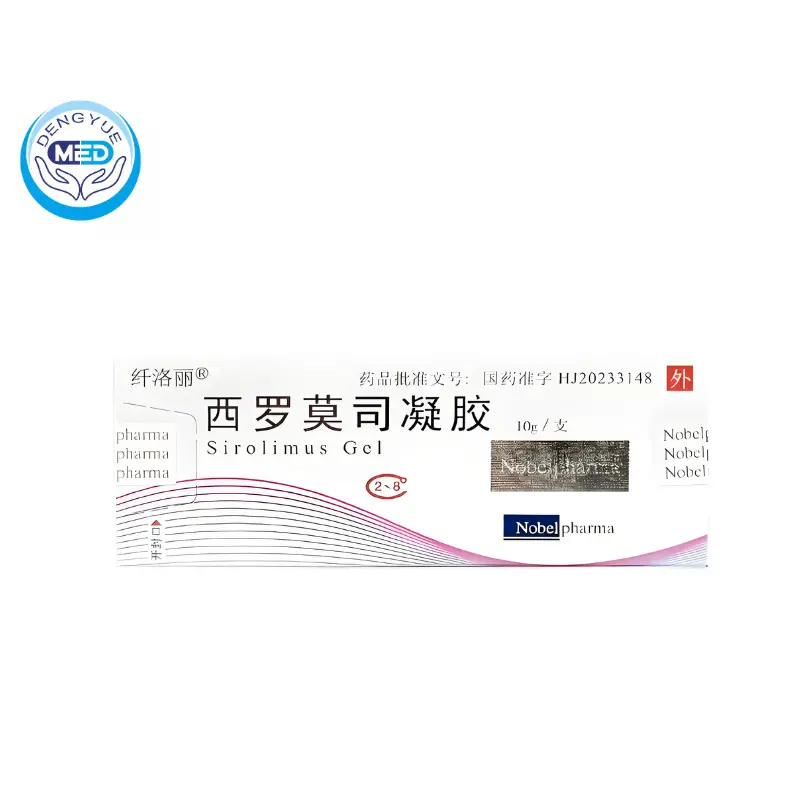
Sirolimus Gel | Facial Angiofibroma
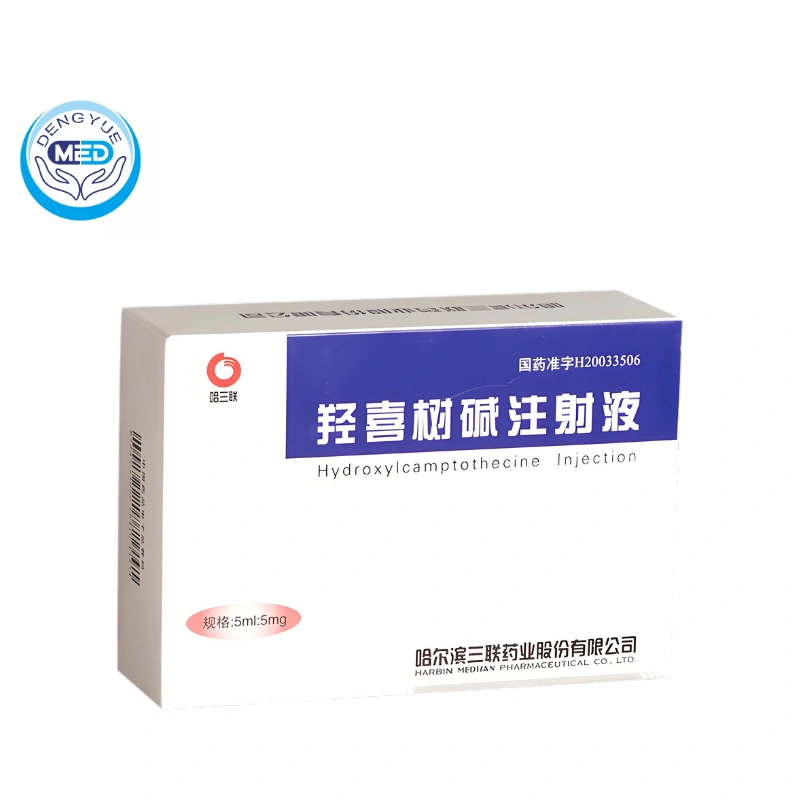
Hydroxylcamptothecine Injection | Ovarian Cancer
.webp "myozyme(alglucosidase alfa)")
Myozyme(Alglucosidase Alfa )- Pompe Disease
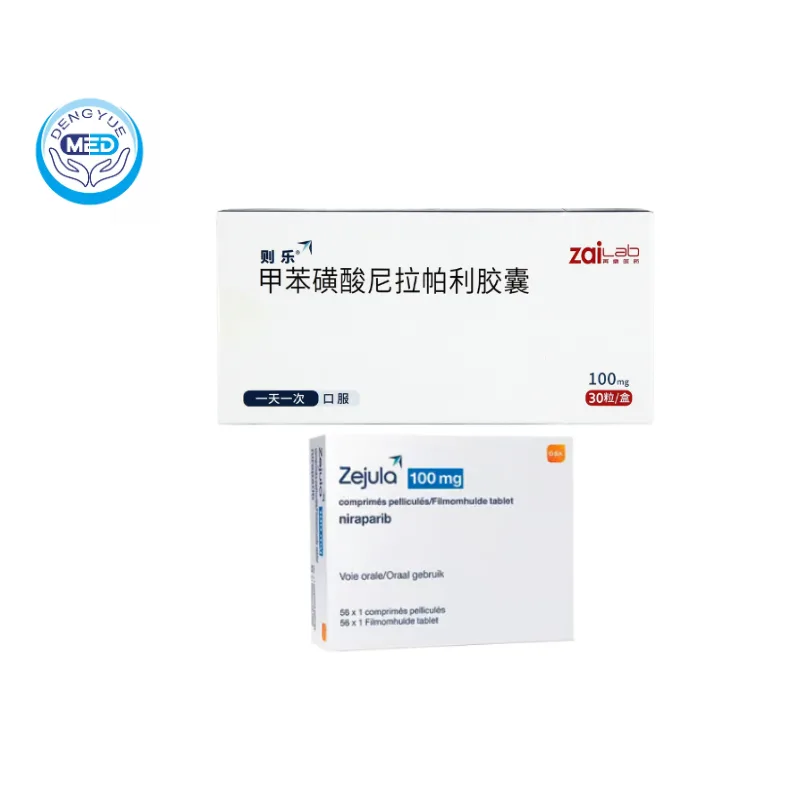
Zejula (Niraparib) – Ovarian Cancer | DengYue Medicine

Agalsidase Alfa | Anti Fabry Disease
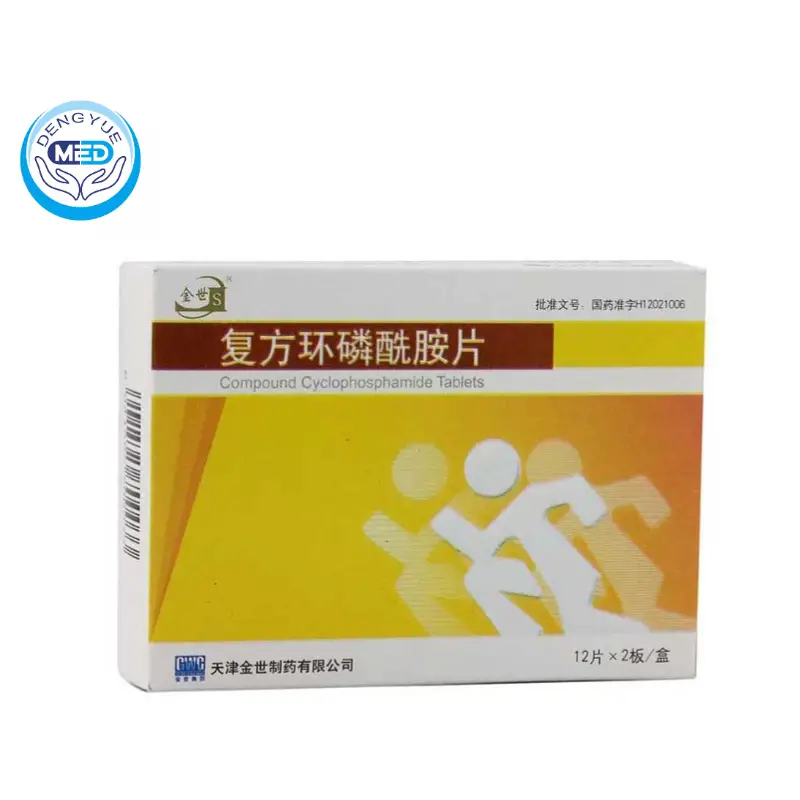
Compound Cyclophosphamide Tablets | Ovarian Cancer | DengYueMed
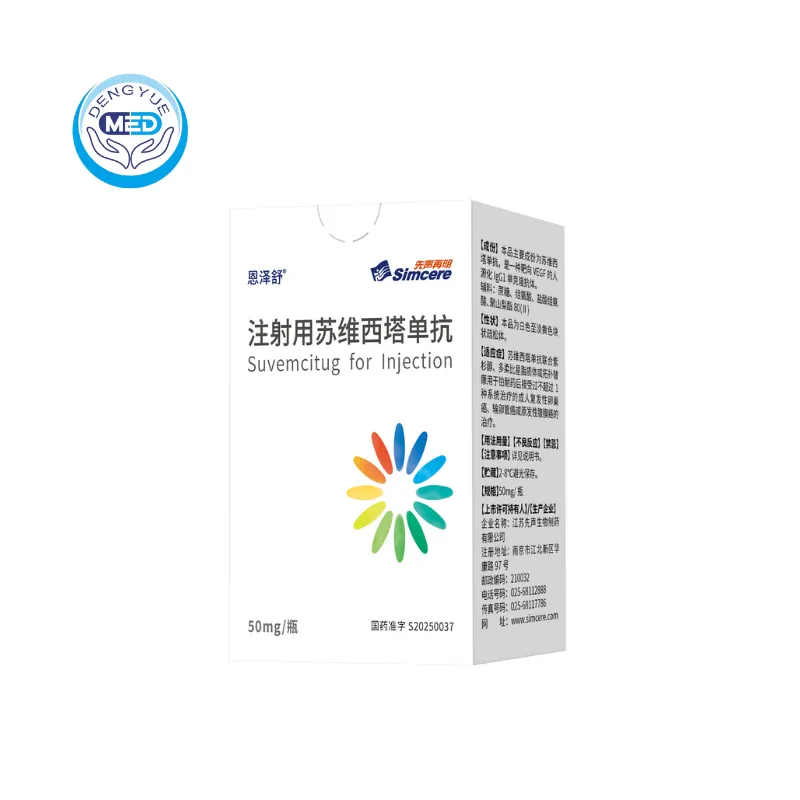
Enzeshu (Suvemcitug) – Ovarian | HongKong DengYue Medicine
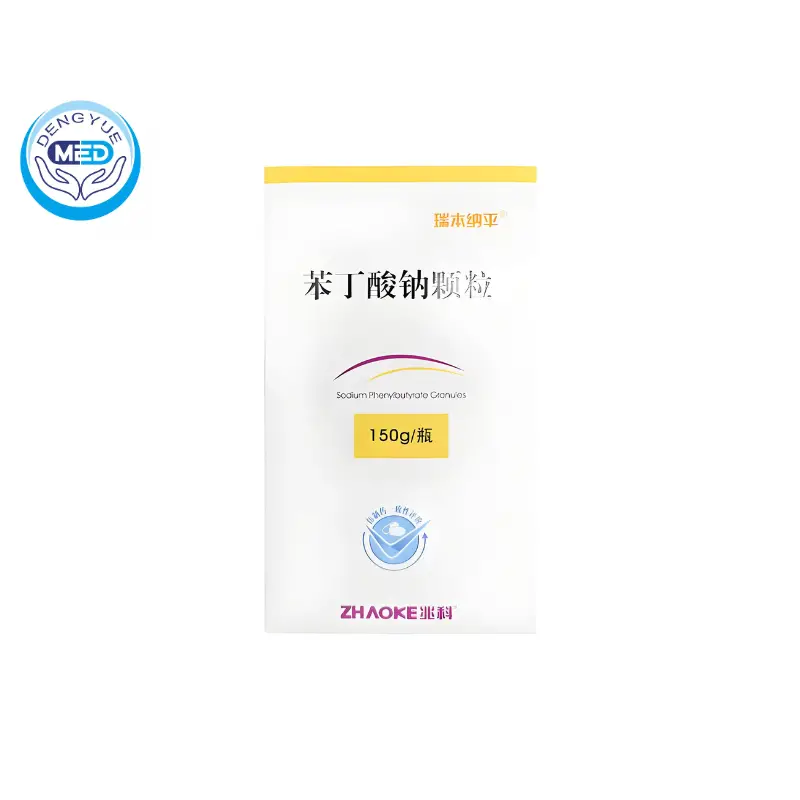
Sodium Phenylbutyrate Granules | Urea Cycle Disorders
Reviews
There are no reviews yet.