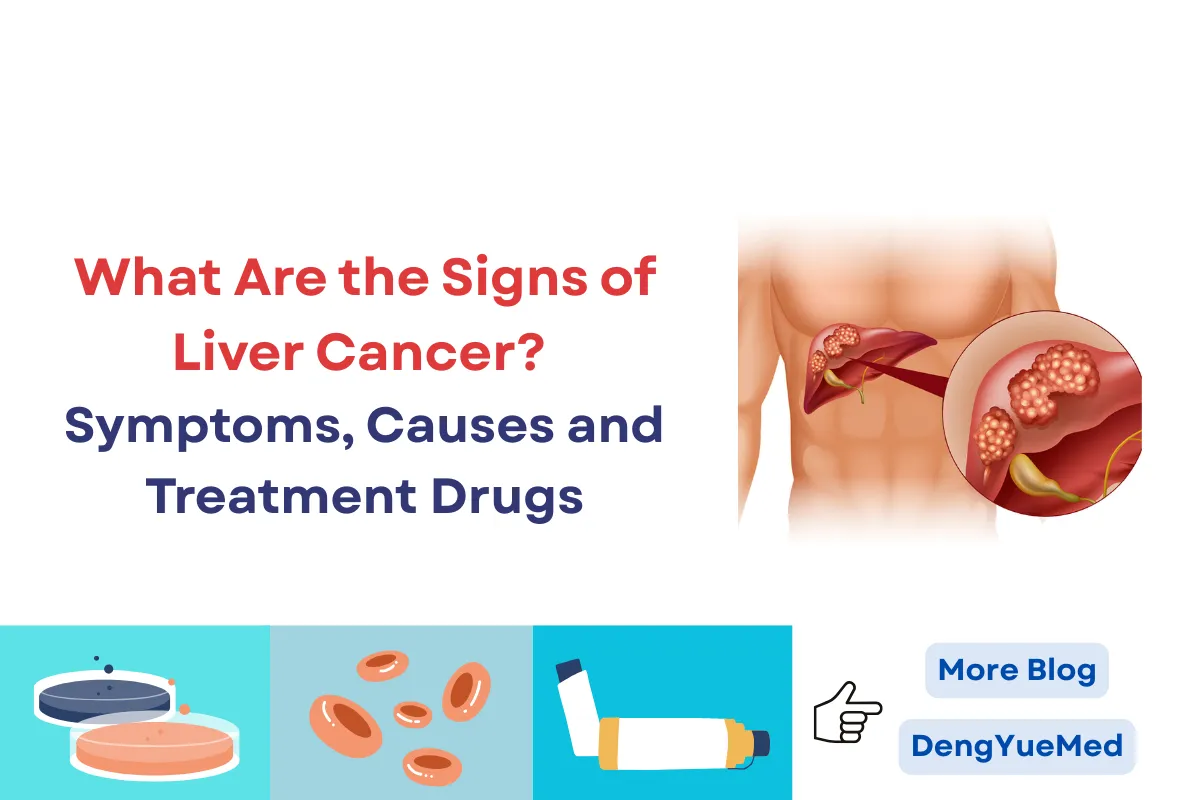
What Are the Signs of Liver Cancer? Symptoms, Causes and Treatment Drugs
Liver cancer is one of the most common and deadly cancers worldwide. Because the liver can compensate for damage, early-stage disease often causes few noticeable symptoms. As a result, many people ask: what are the signs of liver cancer and how can they be recognized early?
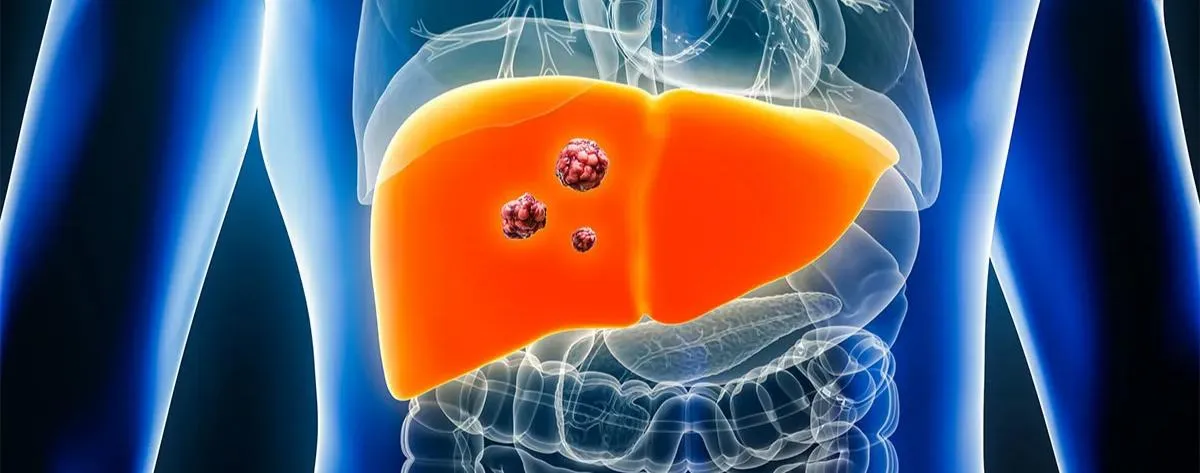
According to global cancer statistics, nearly 900,000 new liver cancer cases are diagnosed each year worldwide, and approximately 830,000 deaths occur annually. This makes liver cancer one of the top three causes of cancer-related death globally.
With advances in modern oncology, treatment options for liver cancer have expanded from traditional surgery to targeted therapy and immunotherapy. These innovative drugs are significantly improving outcomes for many patients.
As a global pharmaceutical distributor, DengYueMed closely follows the latest developments in oncology medicines and provides access to information and supply channels for many anticancer therapies used worldwide.
This article explains what are the signs of liver cancer, its causes, staging, and the most common treatment drugs used today.
Table of Contents
What Are the Signs of Liver Cancer?
Many people wonder what are the signs of liver cancer. In reality, symptoms can vary depending on the stage of the disease.
Common warning signs may include:
- persistent fatigue
- unexplained weight loss
- loss of appetite
- pain in the upper right abdomen
- abdominal swelling
- jaundice (yellowing of skin and eyes)
However, early liver cancer may produce very mild or no symptoms, which is why screening is essential for high-risk individuals.
1. Early Signs of Liver Cancer
When discussing what are the signs of liver cancer, it is important to understand that early-stage disease often causes very few noticeable symptoms.
✅ Persistent Fatigue and Reduced Appetite
Patients may experience ongoing tiredness or loss of appetite. These symptoms are commonly mistaken for stress, fatigue, or digestive problems.
✅ Mild Pain in the Upper Right Abdomen
As a tumor grows, it may stretch the liver capsule, causing dull pain or discomfort in the upper right abdomen.
✅ Digestive Problems
Symptoms such as bloating, nausea, or indigestion can occur in some patients.
✅ Unexplained Low-Grade Fever
Some patients develop mild fever due to inflammatory reactions associated with tumor activity.
Because these symptoms are non-specific, many patients do not realize they may be early signs of liver cancer.
2. Symptoms of Advanced Liver Cancer
As liver cancer progresses, symptoms become more noticeable.
✅ Jaundice
Tumors that obstruct bile ducts can lead to yellowing of the skin and eyes.
✅ Ascites (Abdominal Fluid Accumulation)
Reduced liver function may cause fluid buildup in the abdomen, leading to visible swelling.
✅ Severe Liver Pain
When tumors enlarge or invade surrounding tissues, pain in the liver area may intensify.
✅ Rapid Weight Loss
Cancer can cause rapid weight loss due to increased metabolic demand.
✅ Enlarged Liver
Doctors may detect an enlarged or irregular liver during physical examination.
3. Global Liver Cancer Statistics
Understanding global statistics also helps explain what are the signs of liver cancer and why early detection remains a major challenge worldwide. Liver cancer shows significant regional differences across the world.
Key global statistics include:
- about 900,000 new liver cancer cases annually
- roughly 830,000 deaths per year
- third leading cause of cancer death worldwide
- higher incidence in men than women
More than half of global liver cancer cases occur in Asia, largely due to the high prevalence of hepatitis infections.
Some regions of Africa and Latin America also report relatively high incidence rates.
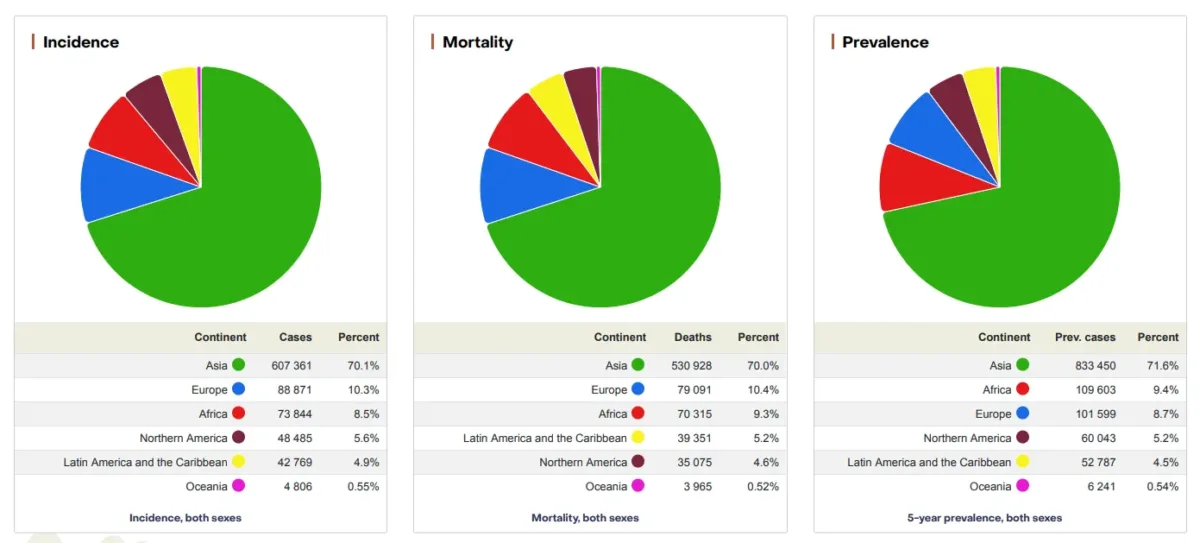
Despite improvements in vaccination and antiviral treatment, liver cancer remains a major global health burden.
4. Causes and Risk Factors of Liver Cancer
Liver cancer usually develops after long-term liver damage caused by several factors.
👉 Chronic Hepatitis B or C Infection
Long-term viral infection can cause continuous liver inflammation and increase cancer risk.
👉 Liver Cirrhosis
Cirrhosis significantly increases the likelihood of developing liver cancer.
👉 Heavy Alcohol Consumption
Excessive alcohol use can damage liver cells and promote cancer development.
👉 Aflatoxin Exposure
Certain mold-contaminated foods may contain aflatoxins, powerful carcinogens associated with liver cancer.
👉 Non-Alcoholic Fatty Liver Disease (NAFLD)
The global rise in obesity and metabolic disorders has increased the importance of NAFLD as a risk factor.
5. Liver Cancer Stages and Treatment Strategies
Treatment decisions for liver cancer depend heavily on disease stage.
1️⃣ Early-Stage Liver Cancer
Tumors are small and confined to the liver. Treatment options may include:
- surgical resection
- liver transplantation
- local ablation therapy
2️⃣ Intermediate-Stage Liver Cancer
When tumors grow larger or multiple lesions develop, interventional treatments such as transarterial chemoembolization (TACE) may be recommended.
3️⃣ Advanced Liver Cancer
When cancer spreads to blood vessels or other organs, systemic therapy becomes the primary treatment approach.
This often includes targeted therapy and immunotherapy.
Early detection remains critical for improving survival outcomes.
6. Main Treatment Options for Liver Cancer
Treatment plans depend on tumor stage, liver function, and patient health.
Common treatment methods include:
✅ Surgery
Surgical removal of the tumor offers the best chance for long-term survival in early cases.
✅ Liver Transplantation
Transplantation may treat both the tumor and underlying liver disease.
✅ Local Ablation
Techniques such as radiofrequency ablation are used for small tumors.
✅ Interventional Therapy
Transarterial chemoembolization is commonly used for intermediate-stage disease.
✅ Systemic Drug Therapy
Targeted therapy and immunotherapy are widely used for advanced liver cancer.
7. Common Liver Cancer Treatment Drugs
In recent years, systemic therapies have become an essential part of liver cancer treatment.
Targeted Therapy for Liver Cancer
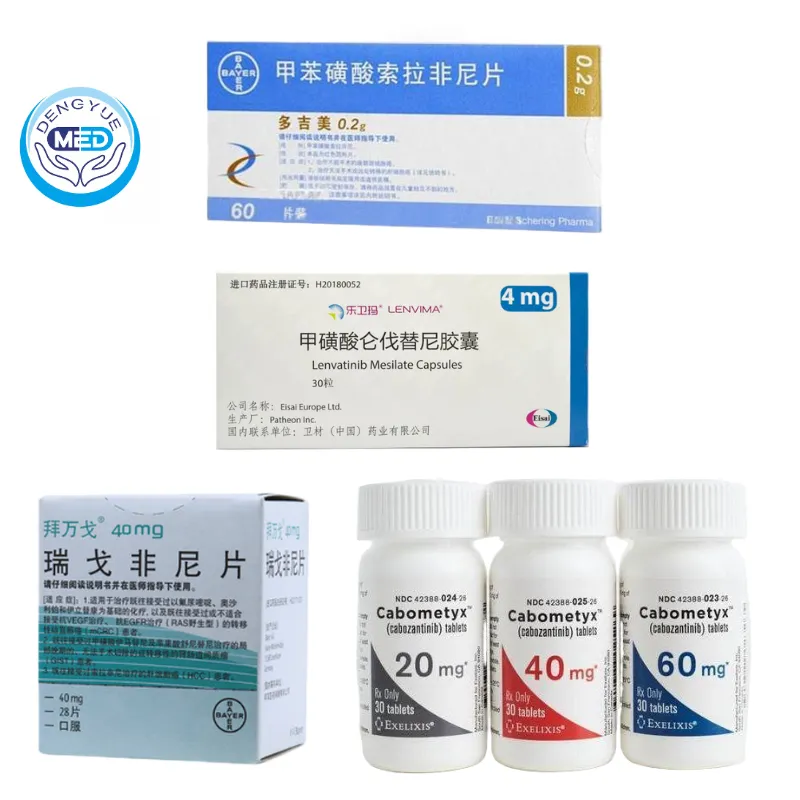
Sorafenib was one of the first targeted therapies approved for advanced liver cancer. It inhibits multiple signaling pathways involved in tumor growth and angiogenesis.
Lenvatinib targets VEGFR and FGFR pathways and is widely used as a first-line therapy for advanced liver cancer.
Regorafenib is often used as second-line treatment after sorafenib.
Cabozantinib blocks multiple cancer-related signaling pathways and is used in later treatment lines.
Immunotherapy for Liver Cancer
Immunotherapy works by stimulating the immune system to attack cancer cells.
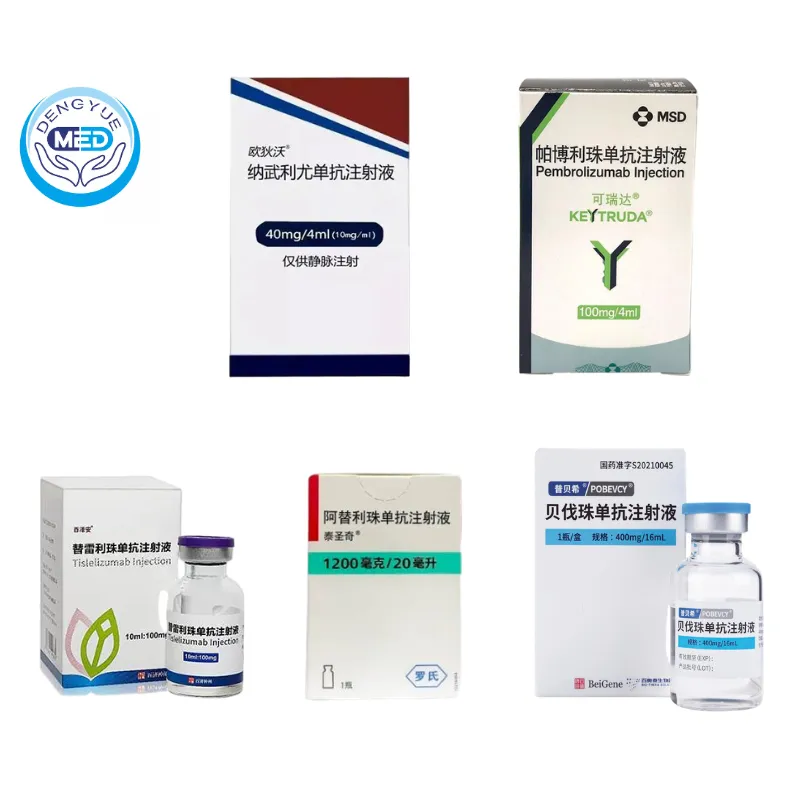
Nivolumab is a PD-1 immune checkpoint inhibitor that helps restore immune responses against tumors.
Pembrolizumab is another PD-1 inhibitor used in several cancer treatments, including liver cancer.
Tislelizumab has been widely studied in Asian populations and shows promising therapeutic potential.
Atezolizumab plus Bevacizumab
This combination therapy has become an important treatment strategy for advanced liver cancer.
8. Emerging Trends in Liver Cancer Treatment
The field of liver cancer therapy continues to evolve rapidly.
Major research trends include:
- combination therapy using targeted drugs and immunotherapy
- precision medicine based on genetic testing
- new immunotherapy approaches such as bispecific antibodies and cell therapy
These innovations are expanding treatment options for patients worldwide.
9. Who Should Be Screened for Liver Cancer?
People at high risk should undergo regular screening.
High-risk groups include:
- patients with chronic hepatitis B or C
- individuals with liver cirrhosis
- long-term heavy alcohol users
- people with fatty liver disease
- individuals with a family history of liver cancer
Doctors typically recommend ultrasound screening and AFP blood tests every six months.
Conclusion
Understanding what are the signs of liver cancer is essential for early detection and timely medical intervention.
From early symptoms to advanced treatments, awareness plays a key role in improving patient outcomes. With the development of targeted therapy and immunotherapy, treatment options for liver cancer continue to expand.
HongKong DengYueMed remains committed to monitoring advances in oncology medicines and providing information and supply channels for important anticancer drugs to healthcare providers and patients worldwide.
For more information about oncology medicines, please feel free to contact us.
FAQ about What Are the Signs of Liver Cancer
What are the 5 warning signs of liver cancer?
Common warning signs of liver cancer may include persistent upper abdominal pain, unexplained weight loss, loss of appetite, jaundice (yellowing of the skin or eyes), and abdominal swelling due to fluid buildup. If these symptoms persist, medical evaluation is recommended.
What is the life expectancy of liver cancer?
Life expectancy for liver cancer varies widely depending on the stage at diagnosis and treatment options. Early-stage liver cancer may have significantly better survival outcomes, while advanced-stage disease generally has a lower survival rate.
What are the four warning signs of a dying liver?
Four common warning signs of severe liver failure may include jaundice (yellowing of the skin and eyes), abdominal swelling from fluid buildup (ascites), confusion or difficulty thinking clearly (hepatic encephalopathy), and severe fatigue or weakness. These symptoms require immediate medical attention.
Where is the pain with liver cancer?
Pain from liver cancer is most commonly felt in the upper right side of the abdomen, where the liver is located. In some cases, the pain may also spread to the right shoulder or back as the tumor grows or irritates surrounding nerves.