
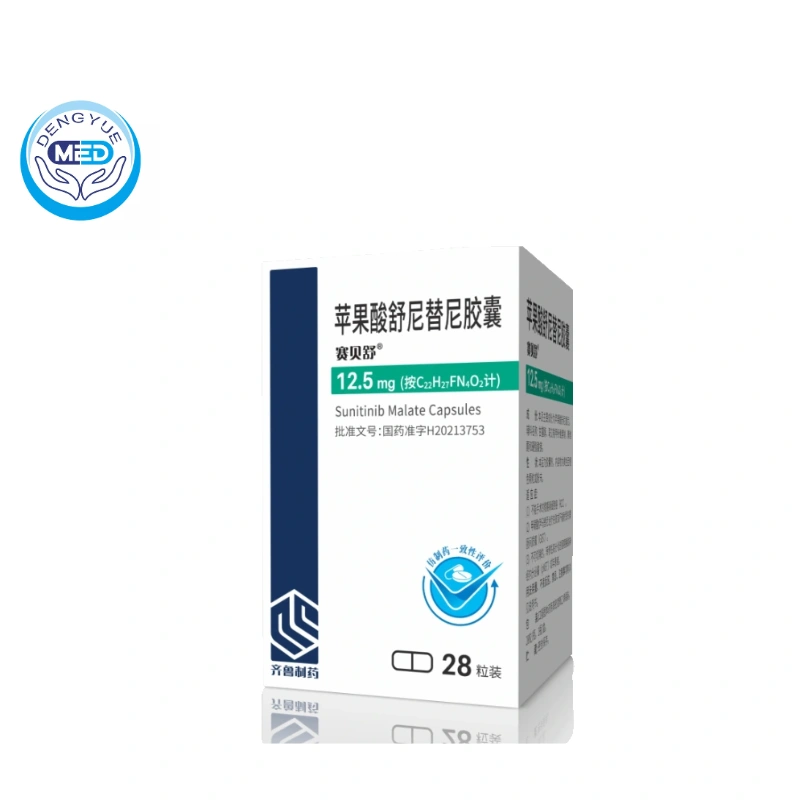
Sunitinib Malate Capsules | Cancer | HK DengYue Medicine
- Generic Name/Brand Name: Sunitinib Malate Capsules
- Indications: Renal Cell Carcinoma, Gastrointestinal Stromal Tumors, Pancreatic Neuroendocrine Tumors, Advanced/Metastatic Sarcomas, Other cancers
- Dosage Form: Oral capsules
- Specification: 50 mg and 12.5 mg
Sunitinib Malate Capsules Application Scope
Sunitinib Malate is primarily used in the treatment of cancers, including renal cell carcinoma (RCC), gastrointestinal stromal tumors (GISTs), and pancreatic neuroendocrine tumors (PNETs).
It is a tyrosine kinase inhibitor that works by blocking signals that promote the growth of cancer cells. It has also been used in angiogenesis inhibition, preventing tumors from developing new blood vessels, thereby reducing their ability to grow and spread.
Sunitinib Malate Capsules Characteristics
- Ingredients:
- Active Ingredient: Sunitinib Malate
- Excipients: Various excipients depending on the formulation.
- Properties:Sunitinib Malate is a multi-targeted tyrosine kinase inhibitor, meaning it blocks multiple enzymes involved in the growth and spread of cancer cells. It targets several tyrosine kinase receptors, including those involved in angiogenesis (blood vessel formation) and tumor cell proliferation.
- Specification:Available in 50 mg capsules, often used in combination with other therapies depending on the tumor type and stage.
- Storage:Store at room temperature (between 15°C and 30°C). Protect from moisture.
- Expiry Date:Typically 24 months from the manufacturing date, but please verify based on specific product packaging.
- Executive Standard:Meets standards set by regulatory agencies such as the FDA or EMA.
- Approval Number:Approval details depend on the regulatory body, such as FDA approval number.
- Manufacturer:Manufactured by Pfizer, or other generic manufacturers.
Guidelines For The Use Of Sunitinib Malate Capsules
Dosage and Administration:
- The recommended dosage for renal cell carcinoma (RCC) is typically 50 mg orally once daily for 4 weeks, followed by a 2-week rest period.
- For gastrointestinal stromal tumors (GISTs) and pancreatic neuroendocrine tumors (PNETs), the dosing schedule may vary based on the tumor and response.
- Dosage adjustments may be needed based on side effects or tolerability.
Adverse Reactions:
- Common side effects include fatigue, nausea, vomiting, diarrhea, hypertension, and rash.
- Serious side effects may include cardiovascular issues (e.g., heart failure), liver toxicity, and severe bleeding.
Medication Limitations
Contraindications:
- Sunitinib Malate should not be used in patients with severe hepatic impairment or hypersensitivity to the drug.
- It should be used cautiously in patients with pre-existing cardiovascular conditions or hypertension.
Precautions:
- Blood pressure should be regularly monitored during treatment, as hypertension is a common side effect.
- Liver function tests should be performed regularly to monitor for potential hepatic toxicity.
- It is important to avoid using this drug during pregnancy or lactation, unless the benefits outweigh the risks.
Sunitinib Malate Capsules Interactions
Drug Interactions:
- CYP3A4 inhibitors (such as ketoconazole) can increase the concentration of Sunitinib in the body, leading to potential toxicity.
- CYP3A4 inducers (such as rifampin) may reduce the effectiveness of Sunitinib by decreasing its concentration.
- Caution is advised when using antihypertensive medications due to the risk of hypotension.
Note:
- If there is a new packaging for the drug, the new packaging shall prevail. The above information is sourced from HongKong DengYue Medicine. It is only for internal discussion among medical staff and does not serve as a basis for medication. For specific medication guidelines, please consult the attending physician.
Contact Us
Related products
-

Risdiplam Oral Solution For Spinal Muscular Atrophy
-
Thymalfasin for Injection – Adjuvant for Influenza Vaccine
-

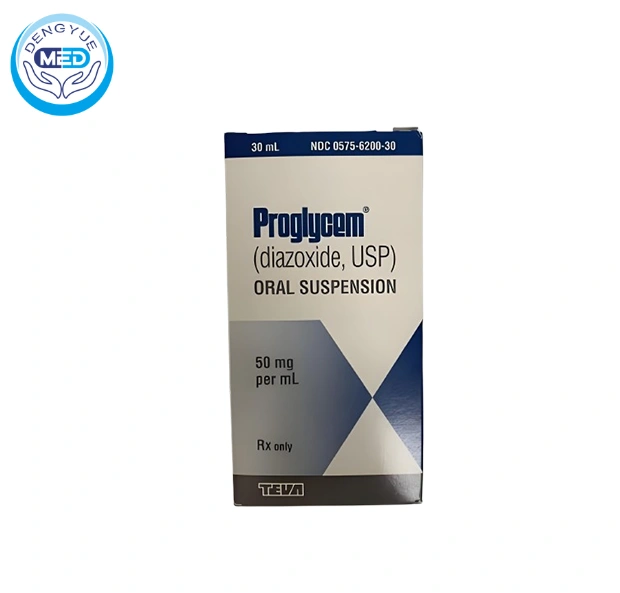
Proglycem Diazoxide | Hyperinsulinemic Hypoglycemia | DengYueMedicine
-
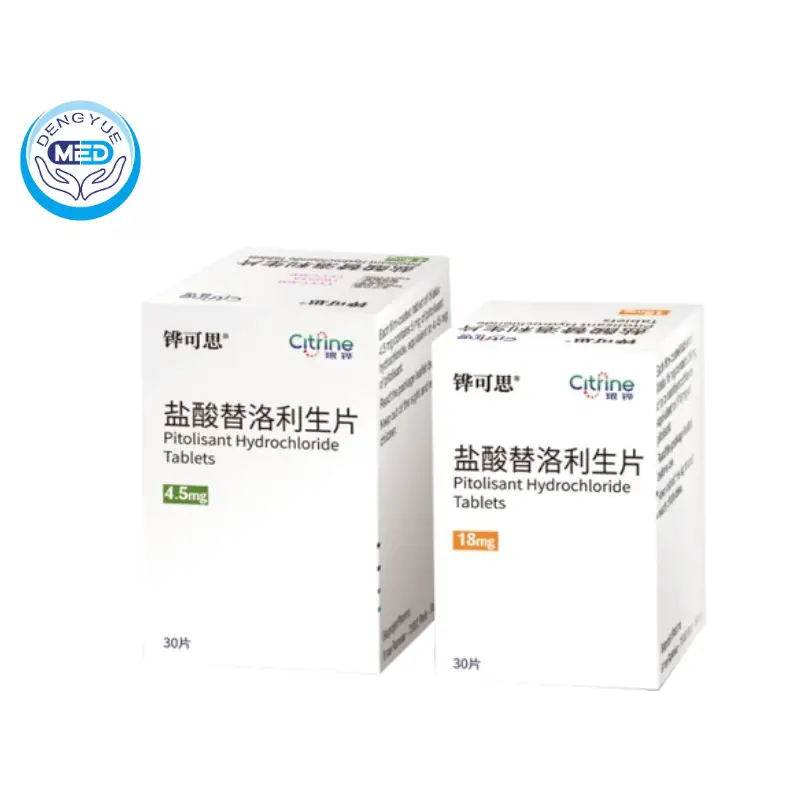
Pitolisant Hydrochloride Tablets
-
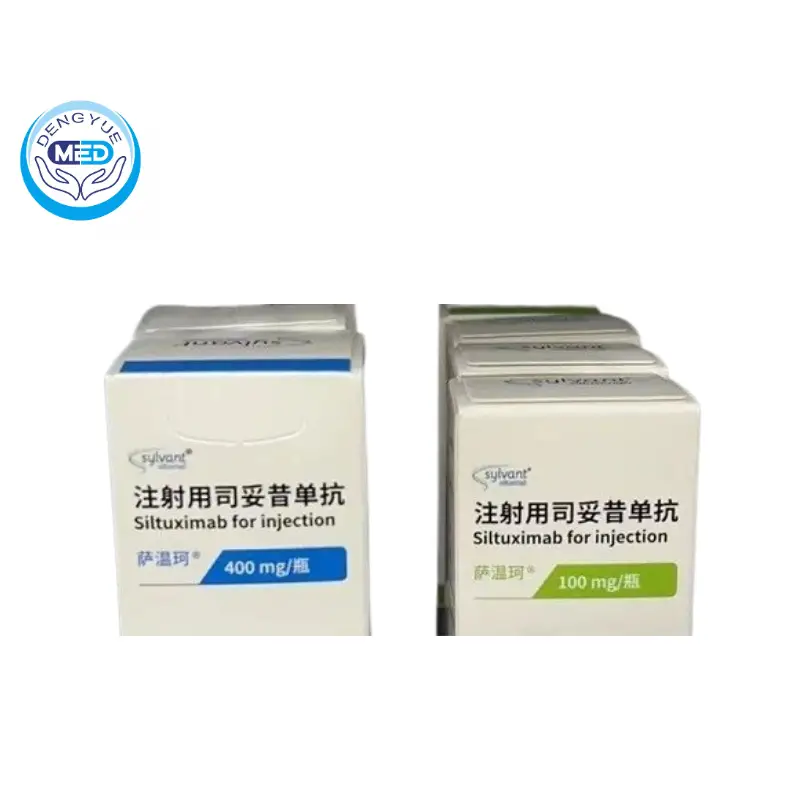
Siltuximab For Injection | Castleman’s Disease
-
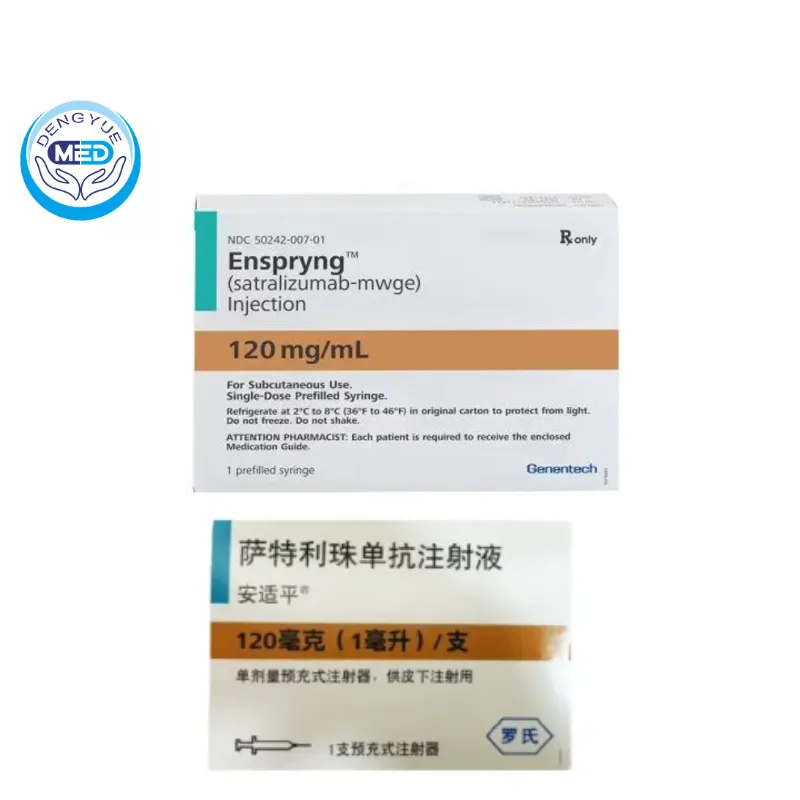
Enspryng Satralizumab | Optic Nerve Myelitis Spectrum Disorders
-

Syprine Trientine Hydrochloride Tablets | Wilson’s Disease | DengYueMedicine
-
Carbaglu Carglumic Acid | Urea Cycle Disorders | HK DengYueMedicine
Reviews
There are no reviews yet.