

How to Manage Anaplastic Lymphoma Kinase (ALK) Cancer: Targeted Therapies and Strategies for Better Outcomes
Table of Contents
Introduction
Anaplastic Lymphoma Kinase (ALK) is a genetic mutation that can drive the development of certain cancers—most commonly a type of non-small cell lung cancer (NSCLC).
If you or a loved one has been diagnosed with ALK-positive cancer, don’t panic. Today, there are highly effective targeted therapies and clear action steps you can take.
This guide breaks it down into simple, actionable steps to help you manage and overcome ALK-positive cancer.
A Step-by-Step Guide To Overcome Anaplastic Lymphoma Kinase Cancer
Step 1. Understand What The Anaplastic Lymphoma Kinase Is
ALK is a gene involved in cell growth. When it mutates or fuses with another gene (like EML4), it can cause cells to grow out of control—leading to cancer.
Common cancers linked to ALK mutations include:
- Non-small cell lung cancer (NSCLC)
- Anaplastic large cell lymphoma
- Some rare childhood cancers
People with ALK-positive NSCLC are often younger, non-smokers, and may experience symptoms like:
❗Persistent cough
❗Chest pain
❗Shortness of breath
❗Fatigue or unexplained weight loss
🎯 Key Point: ALK mutations make the cancer vulnerable to specific drugs called ALK inhibitors. That’s why identifying this mutation early is critical.
Step 2. Know Some Common Anaplastic Lymphoma Kinase Symptoms
The symptoms of ALK-positive lung cancer are generally the same as other lung cancers, since ALK most often affects the lungs. Patients may experience:
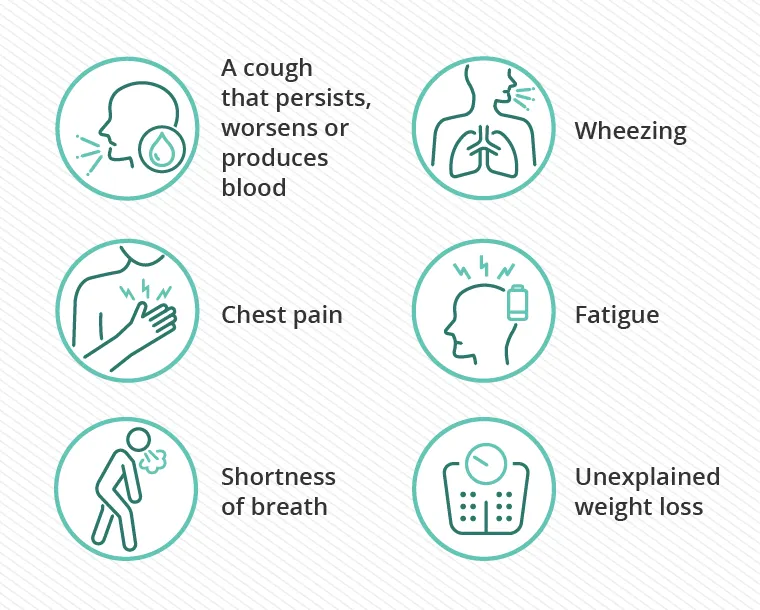
- Persistent cough (lasting several weeks)
- Chest pain or discomfort (sometimes worse with deep breaths)
- Shortness of breath or wheezing
- Coughing up blood (even small amounts)
- Hoarseness or voice changes
- Loss of appetite or unexplained weight loss
- Fatigue or unusual weakness
These symptoms can be caused by many conditions, but anyone (especially a younger, nonsmoking person) with these signs should talk to a doctor about lung cancer testing.
Early detection is helpful because ALK-positive cancers often respond very well to targeted treatments.
Step 3. Diagnose Anaplastic Lymphoma Kinase Lung Cancer
When lung cancer is suspected, doctors obtain a tissue sample (biopsy) from the tumor, or sometimes a blood sample (liquid biopsy), to look for specific genetic changes.
Advanced tests (like next-generation sequencing) will check for Anaplastic Lymphoma Kinase rearrangements along with other “biomarkers.”
It’s important for patients to ask about Anaplastic Lymphoma Kinase testing, because knowing that a tumor is ALK-positive changes the treatment plan significantly.
Step 4. Choose Treatment Options for ALK-Positive Cancer
The good news is that ALK-positive cancers respond exceptionally well to modern targeted drugs.
Unlike traditional chemotherapy, which affects many cells, ALK inhibitors (a type of targeted therapy) are designed to block the abnormal ALK protein and only stop the cancer cells from growing.
In effect, these drugs “turn off” the runaway growth signal. As a result, healthy cells are mostly spared, leading to fewer side effects than conventional chemo.
Clinical studies show that patients with ALK-positive lung cancer who receive inhibitors live much longer than those who only got standard chemotherapy.
Besides ALK inhibitors, other treatments may include surgery (for early-stage tumors), radiation, or chemotherapy if needed.
Supportive care – such as managing breathing symptoms or improving nutrition – is also important. Yet in most cases of advanced ALK-positive NSCLC, the first choice is an ALK-targeted drug.
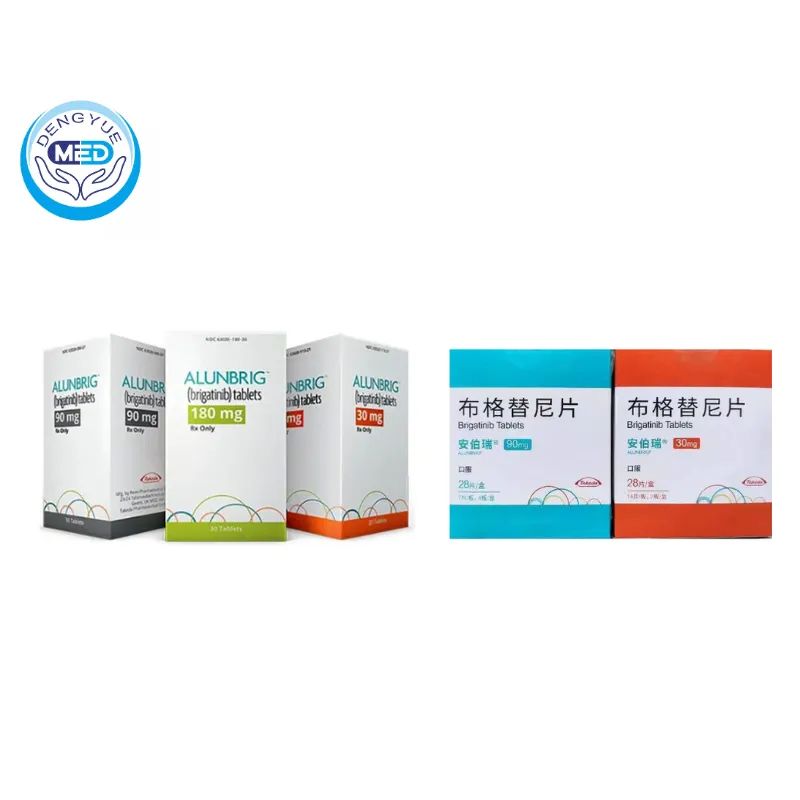
Brigatinib (Alunbrig): A new class of ALK inhibitors with very broad activity. It inhibits ALK as well as ROS1 and IGF-1R, and is effective against a variety of mutations that make tumors resistant to other TKIs.
In laboratory models and trials, brigatinib was able to block ALK fusion proteins and even inhibit 17 different resistance mutations.
What’s more, it also has strong activity in the central nervous system (brain). Brigatinib is administered as a once-daily tablet and has shown strong tumor shrinkage effects in patients.
Common side effects include high blood pressure, cough or shortness of breath, rash, elevated muscle enzymes, and fatigue.
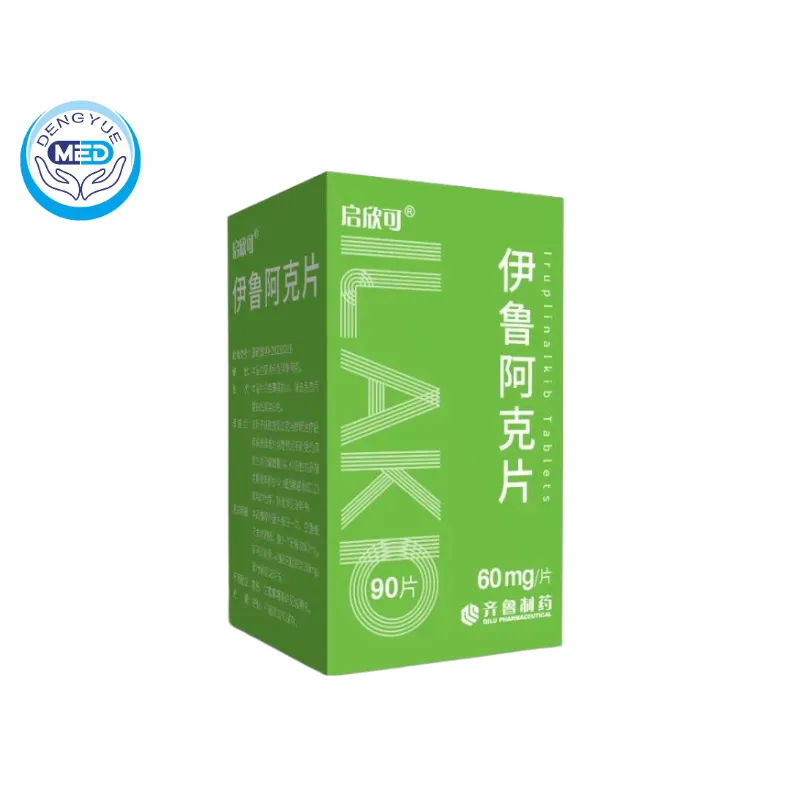
Iruplinalkib (Qixinke): A very new ALK (and ROS1) inhibitor developed in China.
In a recent Phase II trial of patients whose cancer progressed after crizotinib, Iruplinalkib achieved a high response rate: about 70% of patients had tumor shrinkage.
In the study, the median progression-free survival was about 14-19 months. Iruprine has “good efficacy and manageable safety”, meaning it works well and side effects are common but manageable.
The most common side effects in the trial were laboratory changes (elevated liver enzymes AST/ALT in about 40% of patients) and elevated creatine phosphokinase (CPK) (about 35%).
The drug is taken once daily after a short lead-in period. In June 2023, it was approved in China for the treatment of ALK-positive lung cancer that has been treated earlier (approval in other countries is expected soon).
These ALK drugs are more effective than older chemotherapies for ALK-positive tumors, and each new drug option offers new hope for patients.
If one inhibitor doesn’t work (because the cancer develops resistance), doctors can usually switch to another inhibitor that overcomes the resistance.
Patients should work closely with their care team to monitor the effectiveness of their treatment and manage the side effects of treatment.
Step 5. Manage Side Effects
Like any treatment, ALK inhibitors may cause side effects such as fatigue, mild nausea, or liver enzyme changes. Most are manageable.
✅ Tips to stay on track:
- See your doctor regularly for blood tests and scans.
- Stay as active as possible – light exercise helps to replenish your energy.
- Eat a balanced diet and stay healthy.
- Tell your doctor about side effects as soon as possible.
“If your current treatment stops working, don’t lose hope—there are second- and third-line drugs that can take over.”
Step 6. Monitor Your Progress
Your healthcare team will track your treatment with:
- Imaging scans (such as CT or PET)
- Blood tests
- Physical exams
📆 Keep getting checkups even if you feel well. Some tumors may grow again (become resistant) and may need to be switched to a different inhibitor.
🌈 Remember: Many people with ALK-positive disease are now able to live full, active lives for many years thanks to targeted therapies.
About DengYueMed—HK Drug Wholesale Distributor
As a legally compliant drug import and export company, DengYue is certified by the Pharmacy & Poisons Board of Hong Kong — you can verify our qualification on their official website.

Our efforts to improve the affordability of Lung Cancer Treat aim to ensure that more patients can benefit from this important medication.
HK DengYue provides detailed medicine information, transparent pricing, and responsive support to ensure a smooth and reliable buying experience.
Feel free to reach out anytime to discuss your needs or ask questions about the medicine. We welcome you to contact us for a consultation.
FAQ about Anaplastic Lymphoma Kinase
What Does ALK Mean In Cancer?
ALK stands for Anaplastic Lymphoma Kinase. In certain cancers, the ALK gene undergoes changes, such as gene fusions or mutations, causing cells to grow uncontrollably.
Is ALK A Tyrosine Kinase?
Yes, ALK is a receptor tyrosine kinase.
How Do You Diagnose Anaplastic Lymphoma?
1. Clinical Examination & Medical History
2. Laboratory Blood Tests
3. Imaging for Disease Extent
4. Tissue Biopsy & Histopathology
5. Molecular & Genetic Testing
6. Bone Marrow & Flow Cytometry (Staging)
7. Lumbar Puncture (When Needed)
What Is The Marker for ALCL Lymphoma?
The primary diagnostic marker for Anaplastic Large Cell Lymphoma (ALCL) is CD30, a cell surfaceanaplastic large cell lymphomaLCL cases, typically showing strong and uniform staining on malignant cells.