
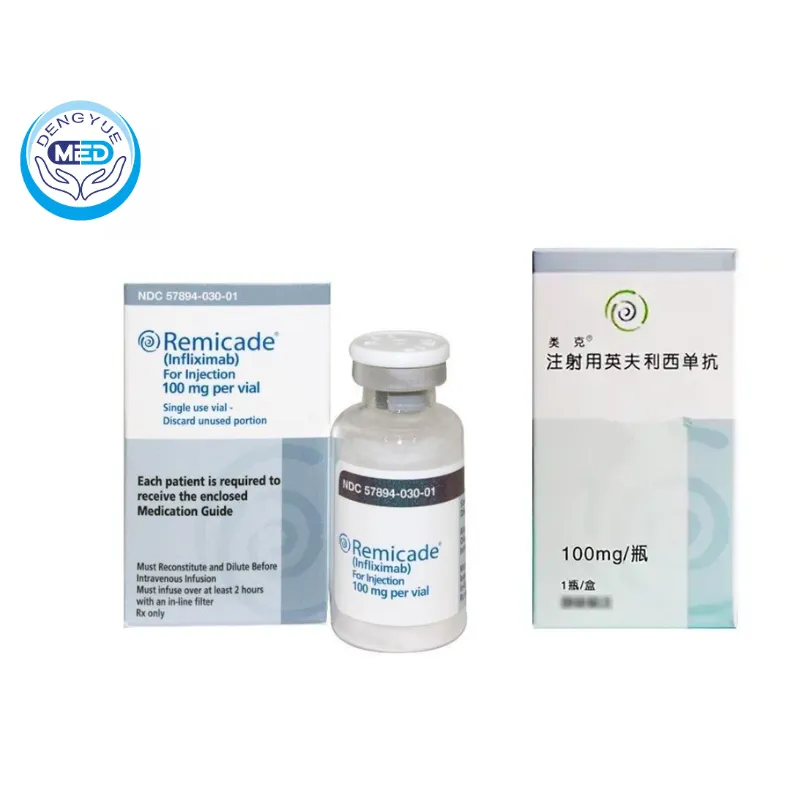
Remicade (Infliximab) – Autoimmune Diseases | HongKong DengYue Medicine
- Generic Name/Brand Name: Infliximab/Remicade
- Indications: Rheumatoid arthritis, ankylosing spondylitis, psoriatic arthritis, Crohn’s disease, Ulcerative colitis, plaque psoriasis
- Dosage Form: Lyophilized powder for injection
- Specification: 100 mg × 1 vial
Remicade Infliximab Application Scope
Remicade is indicated for treatment of a variety of immune‑mediated inflammatory diseases, including:
Crohn’s disease (adult and pediatric ≥ 6 years)—to induce and maintain clinical remission and for closure/maintenance of fistulas in fistulizing disease.
Ulcerative colitis (moderate to severe) (adult and pediatric ≥ 6 years).
Rheumatoid arthritis (in combination with methotrexate)
Ankylosing spondylitis (active disease)
Psoriatic arthritis
Plaque psoriasis (moderate to severe)
remicade infliximab
Remicade Infliximab Characteristics
Ingredients: Infliximab
Properties: White lyophilized powder (for injection) in single‑use glass vial
Packaging Specification: Single‑use vial, 100 mg infliximab per vial
Storage: Store refrigerated: 2 °C to 8 °C (36–46 °F)
Expiry Date: Must be taken from the actual carton or prescribing information accompanying your specific vial
Executive Standard: Must be taken from the actual carton or prescribing information accompanying your specific vial
Approval Number: Must be taken from the actual carton or prescribing information accompanying your specific vial
Date of Revision: This is product-specific and should be checked on the latest package insert
Manufacturer: The item is not globally uniform—they differ by region, batch, and regulatory license
Guidelines for the Use of Remicade Infliximab
Dosage and Administration:
Recommended Dose:
Rheumatoid Arthritis: 3 mg/kg at weeks 0, 2, and 6, then every 8 weeks thereafter. Given in combination with methotrexate.
Crohn’s Disease & Ulcerative Colitis: 5 mg/kg at weeks 0, 2, and 6, then every 8 weeks thereafter. For some Crohn’s patients, doses up to 10 mg/kg may be considered.
Ankylosing Spondylitis & Psoriatic Arthritis: 5 mg/kg at weeks 0, 2, and 6, then every 6 to 8 weeks thereafter.
Plaque Psoriasis: 5 mg/kg at weeks 0, 2, and 6, then every 8 weeks thereafter.
Administration:
The powder must be reconstituted with 10 mL of Sterile Water for Injection, USP.
The reconstituted solution must then be diluted in 250 mL of 0.9% Sodium Chloride Injection, USP.
Missed Dose: Specific guidance for “missed dose” should be determined by prescribing physician, based on indication, prior response, and patient status. (Public sources generally emphasize that Remicade should be used as prescribed, and do not provide a universal “catch‑up” rule.)
Adverse Reactions:
Common Adverse Reactions:
Reported common side effects include:
Respiratory infections (e.g., sinusitis, sore throat)
Headache
Cough, upper respiratory symptoms
Abdominal/stomach pain (for gastrointestinal indications)
Infusion‑related reactions (fever, chills, rash, hypotension or blood‑pressure changes, breathing difficulties, chest discomfort) may occur during or within hours after infusion
Serious Adverse Reactions:
Serious Infections: (e.g., tuberculosis, invasive fungal infections, bacterial sepsis).
Malignancies: (e.g., lymphoma, hepatosplenic T-cell lymphoma, skin cancer).
Hepatotoxicity: (e.g., acute liver failure).
Severe Hypersensitivity Reactions: Including anaphylaxis and delayed serum sickness-like reactions.
Heart Failure: New onset or worsening.
Cytopenias: (e.g., leukopenia, neutropenia, thrombocytopenia).
Lupus-like Syndrome.
Contraindications:
Hypersensitivity to infliximab, any of its excipients, or other murine proteins.
Patients with severe infections such as sepsis, tuberculosis, or opportunistic infections.
Patients with moderate to severe heart failure (NYHA Class III/IV). Doses >5 mg/kg are contraindicated in all heart failure patients.
Precautions:
Risk of Infection: Monitor patients for signs and symptoms of infection during and after treatment. Do not administer during an active, serious infection.
Pre-Treatment Screening: Test for latent tuberculosis (TB) and, if positive, initiate anti-TB therapy before starting Remicade. Screen for viral hepatitis.
Infusion Reactions: Pre-medication with antihistamines, acetaminophen, and/or corticosteroids may be used to prevent reactions. Monitor closely during and after infusion.
Hepatosplenic T-Cell Lymphoma: A rare, aggressive lymphoma has been reported, primarily in adolescent and young adult patients with Crohn’s disease or ulcerative colitis on combined therapy with azathioprine or mercaptopurine.
Monitoring: Periodic monitoring of liver enzymes, complete blood count, and signs of infection is recommended.
Remicade Interactions
Concomitant use with other biologic immunomodulators (e.g., other TNF‑blockers, immunosuppressants, and certain biologics) is generally not recommended because of additive immunosuppressive effects and increased risk of infections.
Reactivation risk: in patients chronically infected with hepatitis B—special caution; monitor and consider antiviral therapy if reactivation occurs.
Note:
- If there is a new packaging for the drug, the new packaging shall prevail. The above information is sourced from DengYue Medicine.
- This content is for reference only. Prescription drugs must be used under a doctor’s guidance and purchased from authorized sources.
Related products
Enspryng Satralizumab | Optic Nerve Myelitis Spectrum Disorders
Siltuximab For Injection | Castleman’s Disease
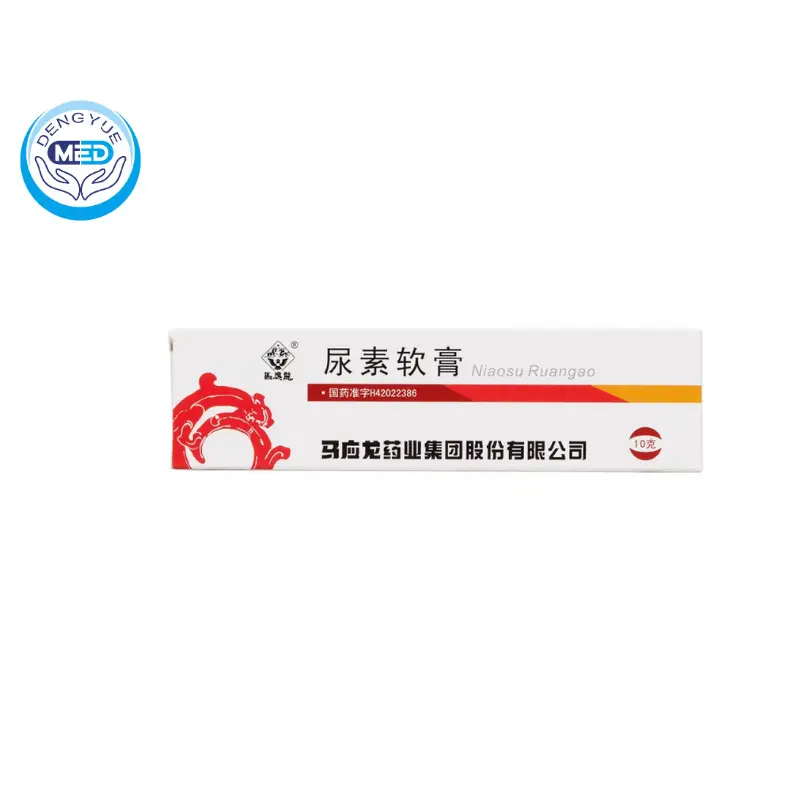
Marinolone Urea Ointment | Chapped Hands And Feet | HK DengYueMedicine
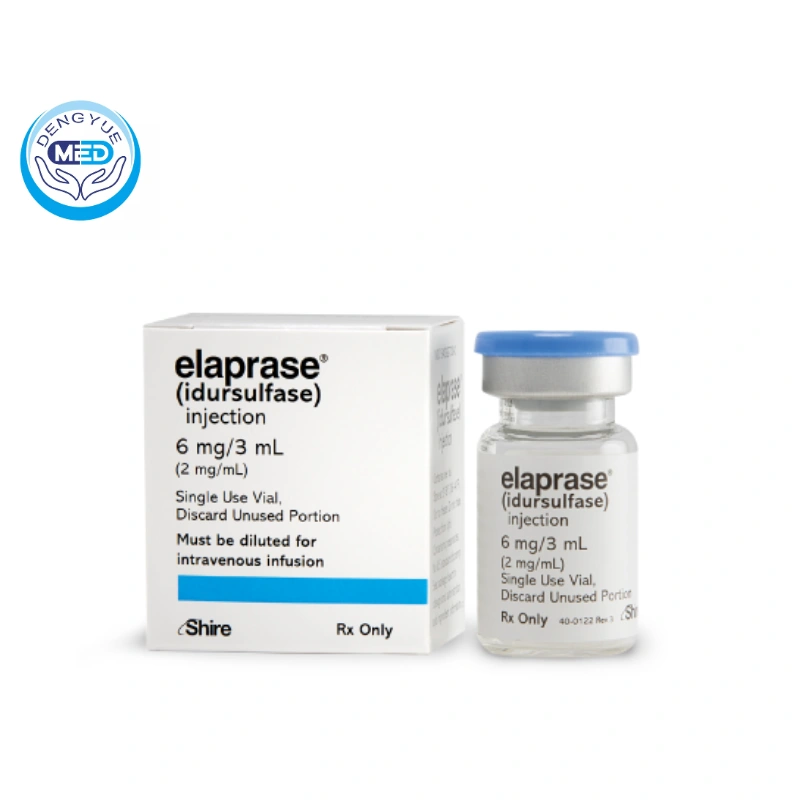
Elaprase Idursulfase | Mucopolysaccharidosis Type II | DengYueMedicine
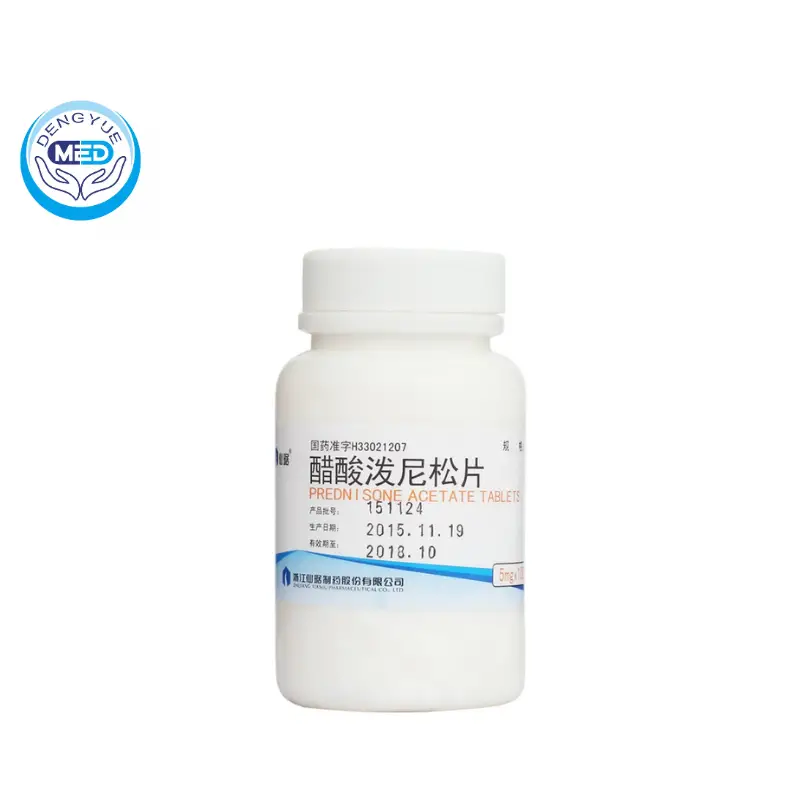
Prednisone Acetate Tablets|Immune Inflammatory Diseases
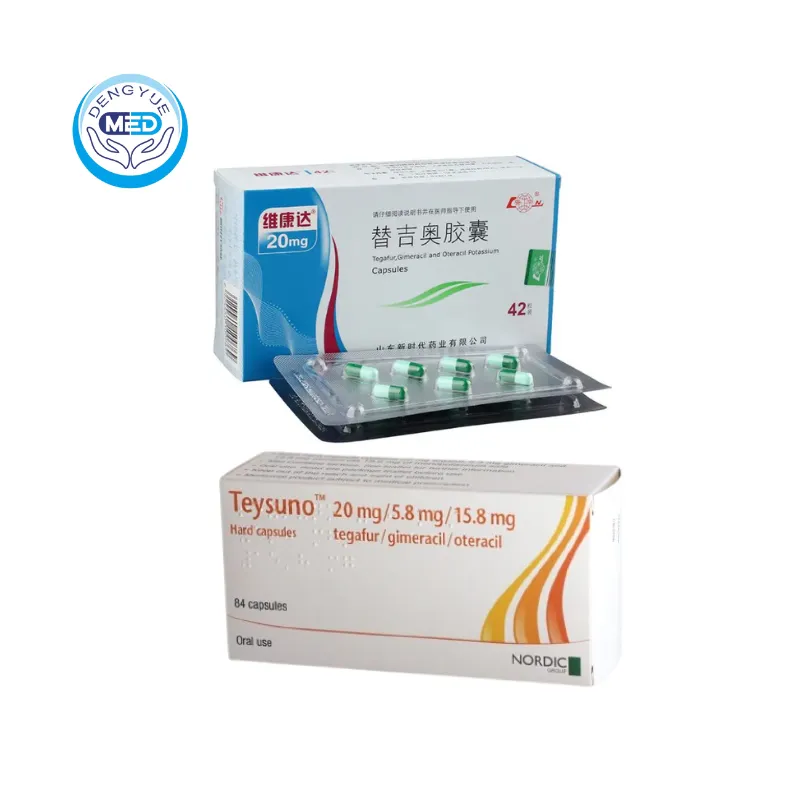
Teysuno (Tegafur Gimeracil and Oteracil Potassium) – Gastric Cancer | HongKong DengYue Medicine
Ubenimex Capsules|Enhancement of immune function
.webp "vimizim(elosulfase alpha)")
Vimizim Elosulfase Alpha | Mucopolysaccharidosis Type IV
Reviews
There are no reviews yet.