

Why Does Chronic Lymphocytic Leukemia Remain a Silent Threat?
🔍What is Chronic Lymphocytic Leukemia?
Chronic Lymphocytic Leukemia (CLL) is a slow-growing blood cancer characterized by the clonal proliferation of mature B‑lymphocytes in bone marrow, blood, and lymphoid tissues.
It primarily affects older adults, with a median diagnosis age of around 70. Common initial symptoms include swelling of lymph nodes, fatigue, weight loss, and susceptibility to infections.
Diagnosis relies on blood tests revealing elevated lymphocyte counts and “smudge cells,” confirmed with supplements like flow cytometry.
🩺 Chronic Lymphocytic Leukemia Symptoms
Many patients are diagnosed accidentally through routine blood tests showing high lymphocyte counts. When symptoms appear, they include:
- Fatigue, night sweats, and unintentional weight loss
- Enlarged lymph nodes (neck, armpits, groin)
- Frequent infections (due to weakened immunity)
- Anemia & easy bruising (low platelets)
⚠️ Advanced CLL may cause:
- Severe immune dysfunction → recurrent pneumonia, sepsis.
- Richter’s transformation (aggressive lymphoma) occurs in 2-10% of cases.
🧬 What is the Main Cause of Chronic Lymphocytic Leukemia?
The exact cause of Chronic Lymphocytic Leukemia remains unknown, but risk factors include:
- Age-related genetic mutations (common in those over 65).
- Family history with strong genetic links.
- Possible environmental exposures (e.g., Agent Orange, hepatitis C), though radiation risk is less clear.
📊 What is the Survival Rate for Chronic Lymphocytic Leukemia?
CLL has a relatively favorable prognosis compared to other leukemias:
- Adults’ 5‑year relative survival rate is approximately 87–89%.
- Roughly 50% of patients live at least 10 years, with some extending beyond 20 years.
- Early-stage CLL may have an indolent course spanning 5 to 20 years before requiring treatment.
🧠 Is CLL an Aggressive Cancer?
CLL is generally considered indolent (slow-growing), though some subtypes are more aggressive.
In rare cases, it may transform into a more aggressive lymphoma like Richter’s syndrome, which carries a much poorer prognosis.
⚠️ What Should People with CLL Avoid?
While not typically discussed as allergic avoidance, CLL patients should:
- Practice infection prevention (flu vaccination, avoiding sick contacts).
- Work with doctors to manage comorbidities and monitor progression actively.
- Avoid immune-suppressing drugs unless necessary and under medical guidance.
🛡️ Chronic Lymphocytic Leukemia Treatment
Historically, treatment ranged from “watch and wait” for asymptomatic cases to chemoimmunotherapy (e.g., fludarabine-cyclophosphamide-rituximab or bendamustine-rituximab).
Since the late 2010s, targeted therapies have revolutionized care.
1. Bendamustine
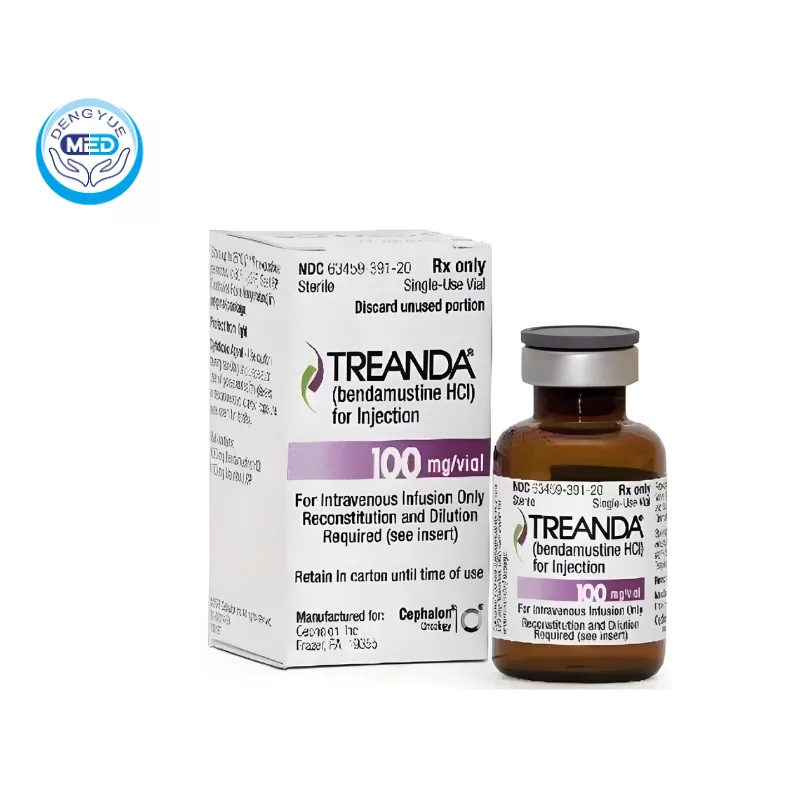
- A chemotherapeutic agent is often paired with rituximab.
- Still used for fast debulking in”chemoimmunotherapy” settings with relatively favorable safety.
- Also utilized in induction before targeted treatments in relapsed/refractory CLL.
2. Zanubrutinib
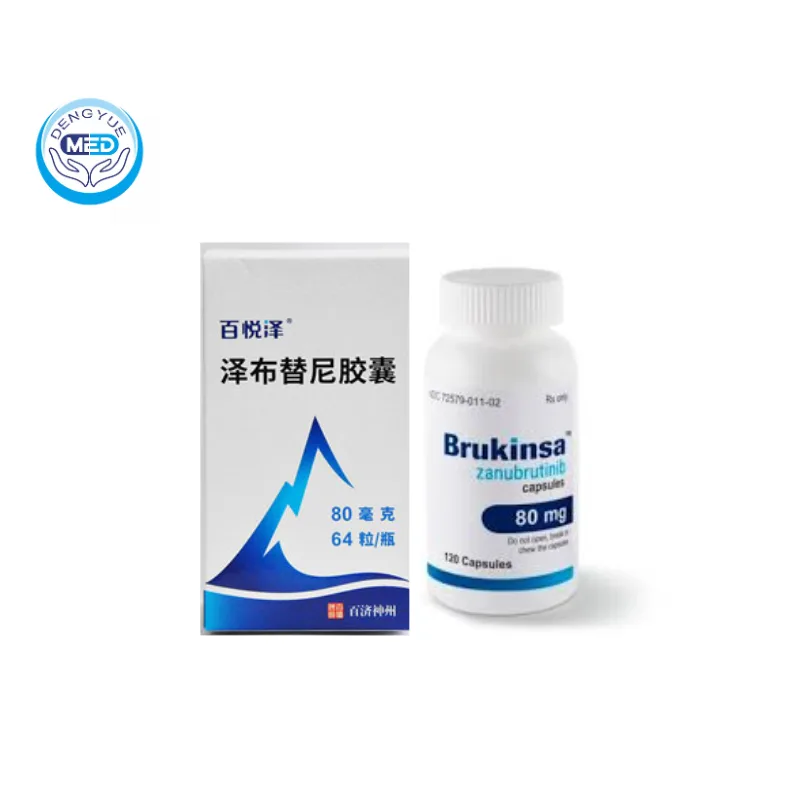
- A second-generation BTK inhibitor has been shown to outperform bendamustine-rituximab in untreated CLL relapse-free survival.
- Dosing: 160 mg twice daily; alternative once-daily dosing is available.
- Excellent efficacy and safety profile.
3. Venetoclax
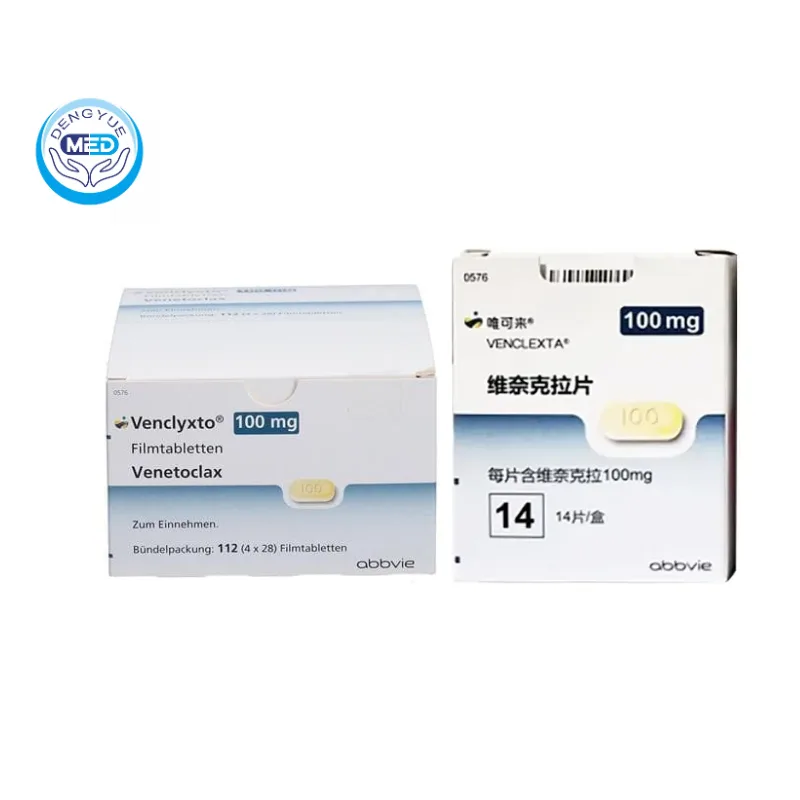
- A BCL‑2 inhibitor effective in CLL with 17p deletion; 80% of patients achieved remission in pivotal trials.
- Often combined with rituximab or obinutuzumab for relapsed or frontline therapy, matching safety with BTKi therapies.
4. Orelabrutinib
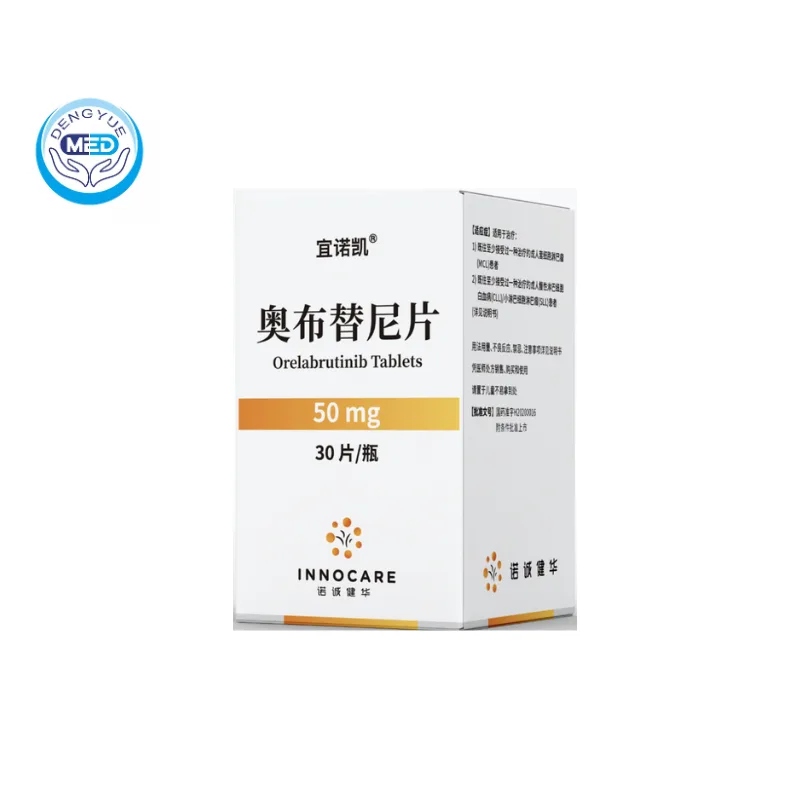
- A selective BTK inhibitor approved in some regions for CLL/SLL; comparable to other BTKi in efficacy and tolerability.
- Used in both treatment-naïve and relapsed settings; often alongside anti-CD20 antibody & venetoclax regimens.
5. Acalabrutinib
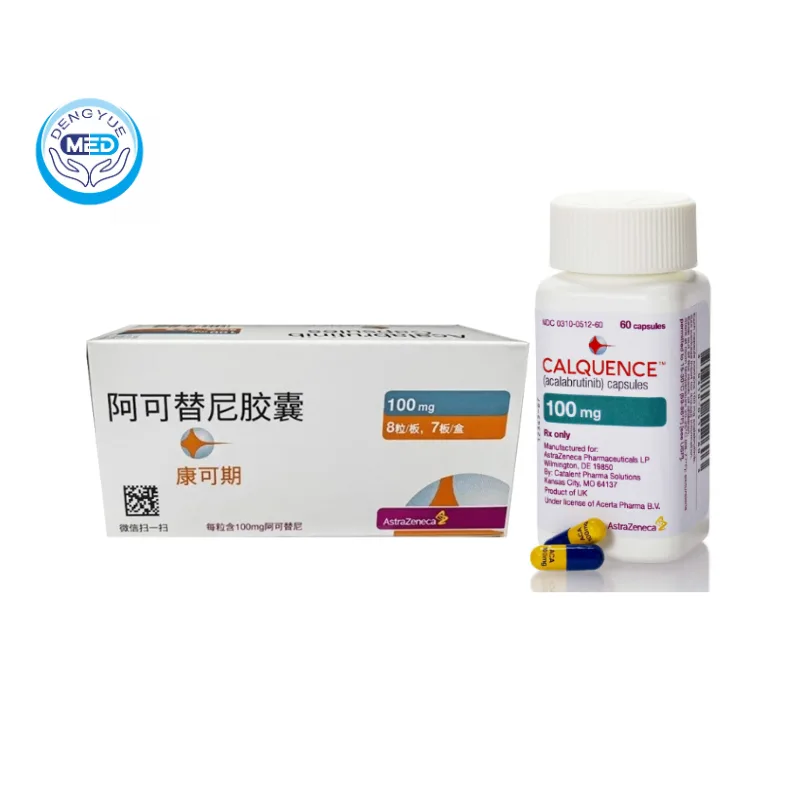
- Another second-generation BTKi (brand: Calquence) approved for CLL/SLL.
- Demonstrated non-inferior survival compared to ibrutinib, with fewer side effects.
- Now being tested in combination with venetoclax ± obinutuzumab, showing excellent durability in PFS.
🧪 Key Drugs Overview
| Drug | Class | Role in CLL |
|---|---|---|
| Bendamustine | Chemo agent | Debulking, induction in relapsed CLL |
| Zanubrutinib | BTK inhibitor | Improved PFS vs chemo; frontline & R/R CLL |
| Venetoclax | BCL‑2 inhibitor | Effective in del(17p) CLL; deep remissions |
| Orelabrutinib | BTK inhibitor | Similar to others, favorable tolerability |
| Acalabrutinib | BTK inhibitor | Noninferior vs ibrutinib, fewer adverse effects |
🔬 Can Chronic Lymphocytic Leukemia Be Cured?
CLL remains incurable in most cases, but modern therapies achieve deep remissions, and some patients experience undetectable minimal residual disease (uMRD).
Continuous BTK inhibitor therapy and fixed-duration BCL-2 combos have turned CLL into a chronic, manageable disease.
📈 Chronic Lymphocytic Leukemia ICD-10
Chronic Lymphocytic Leukemia (CLL) is classified under the ICD-10 code C91.1, which specifically denotes “Chronic lymphocytic leukemia of B-cell type”.
This coding system is used globally for medical billing, clinical documentation, and epidemiological tracking.
Key Points About CLL ICD-10 Coding:
- C91.1 is exclusively for B-cell CLL, the most common form, accounting for ~95% of cases.
- T-cell CLL (a rare subtype) may fall under other codes, such as C91.3 (Prolymphocytic leukemia of T-cell type).
- The ICD-10 classification helps standardize diagnosis for treatment protocols, insurance claims, and research studies.
Why Is ICD-10 Important in CLL?
- Ensures accurate diagnosis recording in medical databases.
- Guides treatment reimbursement (e.g., chemotherapy, targeted therapies like Venetoclax or BTK inhibitors).
- Facilitates clinical trials and epidemiological research by categorizing disease subtypes.
The correct ICD-10 code (C91.1) is essential for healthcare providers to manage patients properly and comply with regulatory requirements.
⏳ Chronic Lymphocytic Leukemia Prognosis
Prognosis depends on:
- Stage, genetics, and patient health.
- 5-year survival: 87–89%.
- Genetic mutation impacts: mutated IGHV >20–25 years; deletion 13q ~17 years; unmutated IGHV ~8–10 years.
What is the Bad Prognosis in CLL? Worse outcomes are associated with:
- Genetic abnormalities like deletion 17p / TP53 mutation.
- High-risk cytogenetics, such as unmutated IGHV or del(11q).
- Older age (>70), poor performance, or advanced stage at diagnosis.
💡 CLL Treatment Summary
- Watchful waiting for early, asymptomatic stages.
- Chemoimmunotherapy still plays a role in select patients (e.g., bendamustine + rituximab).
- Targeted therapies are now first-line in many patients:
- BTK inhibitors: zanubrutinib, orelabrutinib, acalabrutinib
- BCL‑2 inhibitor combo: venetoclax ± anti-CD20 antibodies
- Combination or sequential regimens deliver high rates of uMRD and prolonged progression-free survival.
🏁 Conclusion
CLL is best described as a chronic rather than a terminal disease for most patients.
While rarely curable, modern therapies have turned it into a manageable condition, with long-term survival and even remissions becoming achievable.
Continuous advancements in targeted therapies, including BTK and BCL‑2 inhibitors, offer increasingly personalized, effective, and tolerable treatment options, bringing hope to many living with CLL today.
Feel free to ask for information.
About DengYueMed – HK Drug Wholesale Distributor
As a legally compliant drug import and export company, DengYueMed is certified by the Pharmacy & Poisons Board of Hong Kong — you can verify our qualification on their official website.

Our efforts to improve the affordability of Chronic Lymphocytic Leukemia treatment aim to ensure that more patients can benefit from this important medication.
HK DengYue provides detailed medicine information, transparent pricing, and responsive support to ensure a smooth and reliable buying experience.
Feel free to reach out anytime to discuss your needs or ask questions about the medicine. We welcome you to contact us for a consultation.
FAQ About Chronic Lymphocytic Leukemia
What are the Common Diagnostic Tests for Chronic Lymphocytic Leukemia Diagnosis?
Include complete blood count, peripheral blood smear, flow cytometry (immunophenotyping), FISH/cytogenetics, and occasionally bone marrow biopsy or lymph node biopsy for ambiguous cases.
What is the Most Common Cause of Death in CLL?
The most frequent cause of death is progression of CLL itself, accounting for about 34–40% of cases, followed by infections and secondary cancers.
How Long Can You Live With Chronic Lymphocytic Leukemia?
You can often live many years with CLL—about half of people survive at least 10 years, and many live 20+ years, especially with newer targeted treatments improving outcomes significantly.
What Are Chronic Lymphocytic Leukemia Stages?
Rai (USA): stages 0–4, from low-risk lymphocytosis to high-risk anemia/thrombocytopenia. Binet (Europe): stages A–C, based on enlarged lymphoid areas and blood counts.
Why is CLL Called the Good Cancer?
Because it often grows very slowly, many patients remain symptom-free for years or decades, and survival is significantly better than many other cancers.