
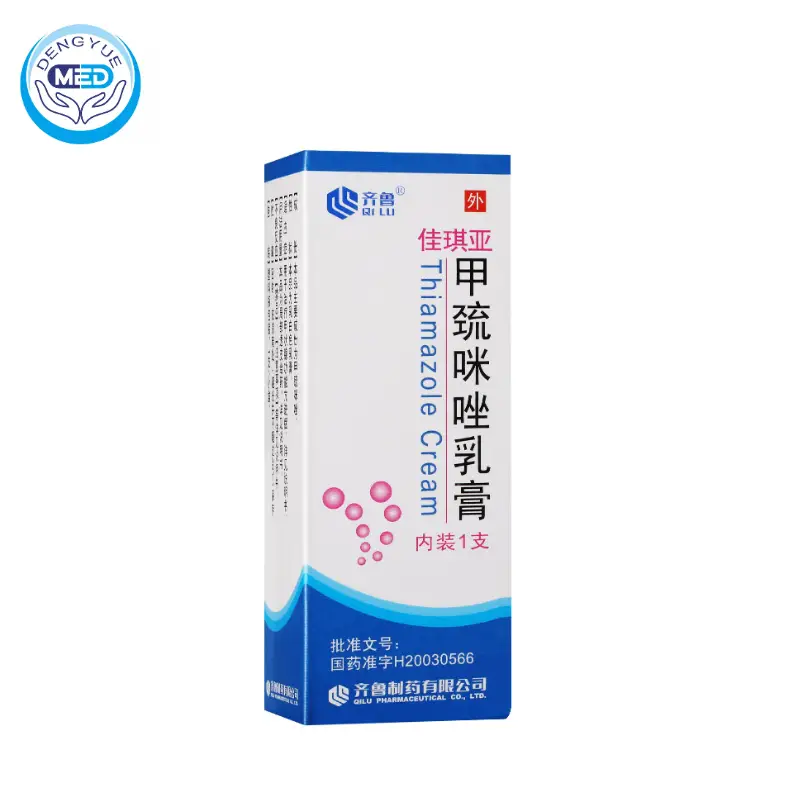
Thiamazole Cream | Anti Hyperthyroidism
- Generic Name/Brand Name: Thiamazole Cream/JiaQiYa
- Indications: Hyperthyroidism treatment, symptom relief before surgery, or iodine therapy for surgery-ineligible patients.
- Dosage Form: Cream
- Specification: 10g
Thiamazole Cream Application Scope
Thiamazole Cream, this new and special drug is effective in managing hyperthyroidism symptoms, especially before thyroid subtotal resection or radioactive iodine therapy, and for patients who cannot undergo surgery.
Thiamazole Cream Characteristics
Guidelines For The Use Of Thiamazole Cream
- Use a precise dose pump to press out 0.1g of the cream (containing 5mg of Thiamazole) per application. Apply evenly to the surface of the thyroid area on the front of the neck (from the Adam’s apple to the upper chest, applying to the areas where thyroid enlargement is prominent). Gently massage the applied area with your fingers for 3-5 minutes to allow the drug to penetrate the thyroid.
- For patients previously using oral Thiamazole tablets (10mg per dose, 3 times daily), you can switch to this cream with a dose of 0.2g per application (containing 10mg Thiamazole), applied 3 times daily. This has a clinical effect similar to that of the oral tablet.
Thiamazole Cream Medication Limitations
- keep the neck area clean and dry.
- Apply the cream gently and avoid using soap with a high pH on the treated area.
- If a severe local reaction occurs, consult with a healthcare provider to possibly suspend the use of the product and seek treatment from a dermatologist.
- Though systemic side effects are rare, it is recommended to regularly check liver function and blood counts. If serious systemic reactions occur, immediately stop the medication and provide symptomatic treatment.
Thiamazole Cream Interactions
Note: If there is a new packaging for the drug, the new packaging shall prevail. The above information is sourced from DengYueMed. It is only for internal discussion among medical staff and does not serve as a basis for medication. For specific medication guidelines, please consult the attending physician.
Contact Us
Related products

Spesolimab Injection | Psoriatic Arthritis Treatment
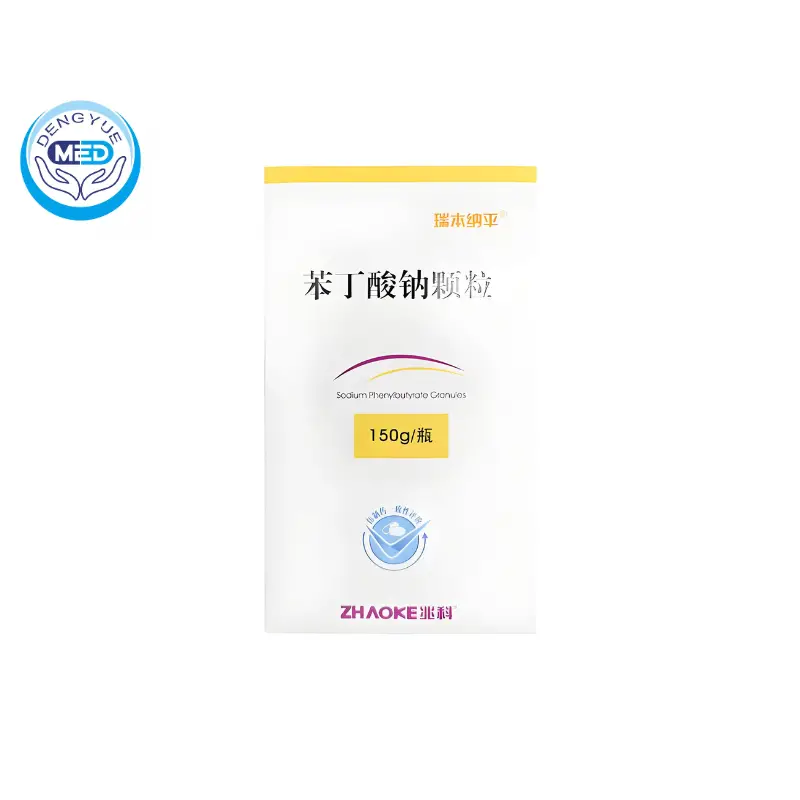
Sodium Phenylbutyrate Granules | Urea Cycle Disorders
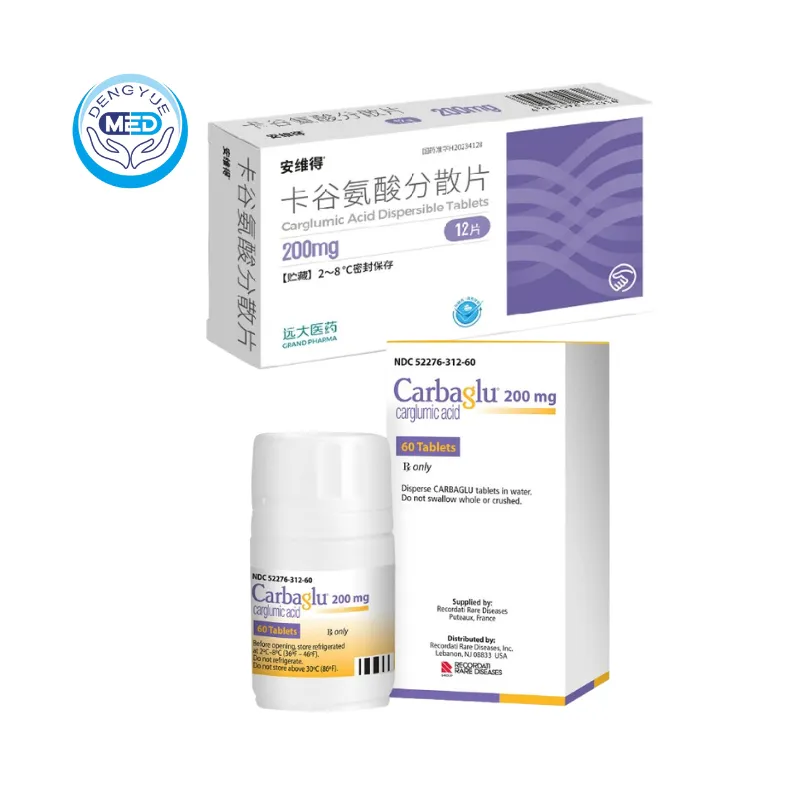
Carbaglu Carglumic Acid | Urea Cycle Disorders | HK DengYueMedicine
Risdiplam Oral Solution For Spinal Muscular Atrophy

Nusinersen Injection – Spinal Muscular Atrophy
Nitisinone Capsules | Hereditary Tyrosinemia Type 1
Ubenimex Capsules|Enhancement of immune function
Obizur Susoctocog Alfa | Acquired Haemophilia | HK DengYueMed


Reviews
There are no reviews yet.