
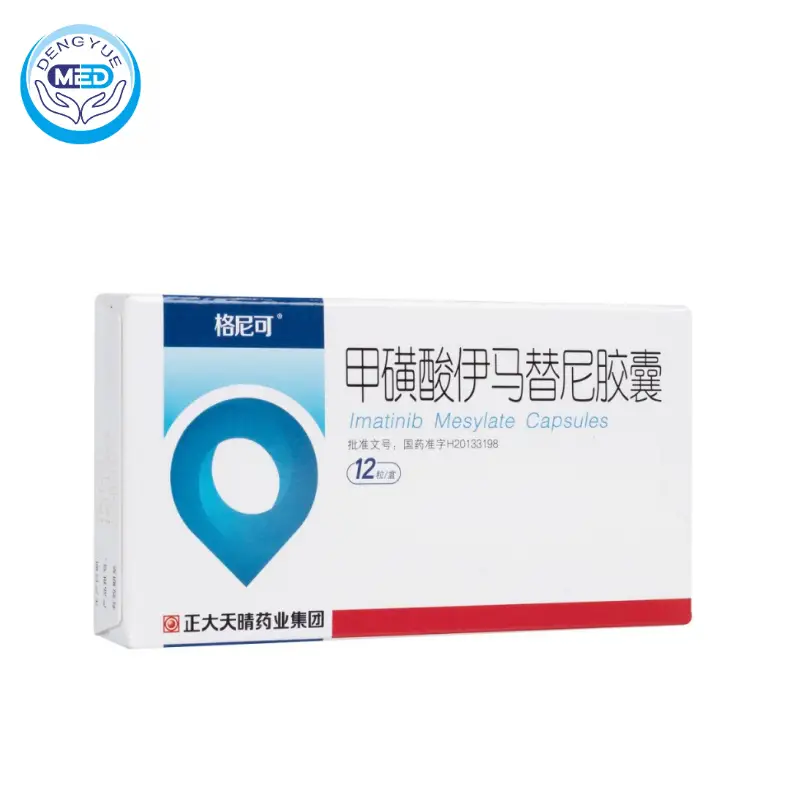
Imatinib Mesylate Capsules | Leukemia Treatment
- Generic Name/Brand Name: Imatinib Mesylate/GeLieWei
- Indications: Hematology leukemia, Ph+ CML, metastatic GISTs treatment
- Dosage Form: Capsules
- Specification: 120 Capsules, 180 Capsules/Box
Imatinib Mesylate Capsules Application Scope
Imatinib Mesylate Capsules are used in the treatment of Hematology conditions, including Philadelphia chromosome-positive chronic myelogenous leukaemia (Ph+CML) in chronic, accelerated, or blast phase, and for adult patients with unresectable and/or metastatic gastrointestinal stromal tumours (GISTs).
Imatinib Mesylate Capsules Characteristics
Guidelines For The Use Of Imatinib Mesylate Capsules
Dosage and Administration
Imatinib Mesylate should be administered under the guidance of a physician experienced in treating malignancies. The capsules should be taken with food and a full glass of water.
- For chronic phase Ph+CML, accelerated phase or blast phase Ph+CML: Start with a dose of 400 mg once daily; if necessary, it can be increased to 600 mg/day or 800 mg/day (divided dose).
- For GIST: 400 mg once daily.
- For relapsed or refractory Ph+ALL: 400 mg/day; consider dose adjustment based on clinical response.
For patients unable to swallow capsules, the contents can be dissolved in water or apple juice. - For children: The recommended dose and safety have not been established for patients under 18 years old.
Adverse Reactions
Common side effects include gastrointestinal symptoms (nausea, diarrhoea, abdominal pain), headache, rash, fatigue, and muscle cramps. In rare cases, more severe reactions such as heart failure, liver toxicity, and fluid retention may occur.
Imatinib Mesylate Capsules Medication Limitations
Contraindications
Imatinib Mesylate is contraindicated in patients with a known hypersensitivity to imatinib or any of the excipients.
Precautions
- Cardiovascular Monitoring: Patients with a history of heart disease or those over 65 should have their left ventricular ejection fraction (LVEF) monitored, especially if they show signs of heart failure.
- Hematological Monitoring: Complete blood counts should be monitored regularly during treatment, especially in the initial months.
- Pregnancy and Lactation: Use during pregnancy is not recommended unless absolutely necessary, as animal studies show reproductive toxicity. It is not recommended for breastfeeding, as imatinib is excreted in breast milk.
Imatinib Mesylate Capsules Interactions
- CYP3A4 Inhibitors (e.g., ketoconazole) may increase plasma concentrations of Imatinib.
- CYP3A4 Inducers (e.g., rifampicin) may reduce its effectiveness.
- Other Drug Interactions: Imatinib can increase plasma levels of drugs metabolized by CYP3A4, including simvastatin, warfarin, and certain benzodiazepines.
- CYP2D6 and CYP2C9 Inhibition: Imatinib may interact with drugs metabolized by these enzymes, leading to potential changes in their blood concentrations. Close monitoring is recommended.
Note: If there is a new packaging for the drug, the new packaging shall prevail. The above information is sourced from DengYueMed. It is only for internal discussion among medical staff and does not serve as a basis for medication. For specific medication guidelines, please consult the attending physician.
Related products
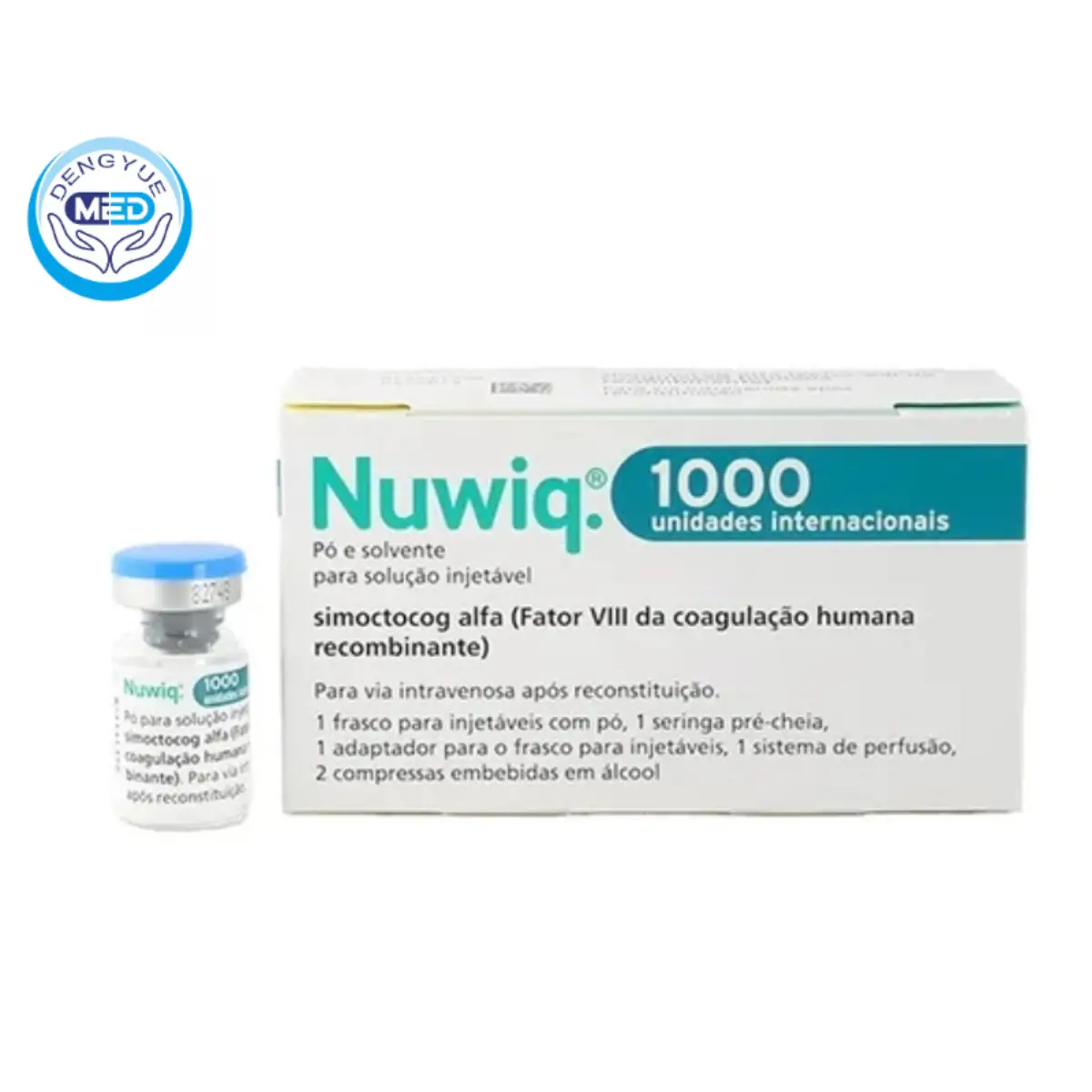
Simoctocog Alfa|Hemophilia A|HongKong DengYue Medicine
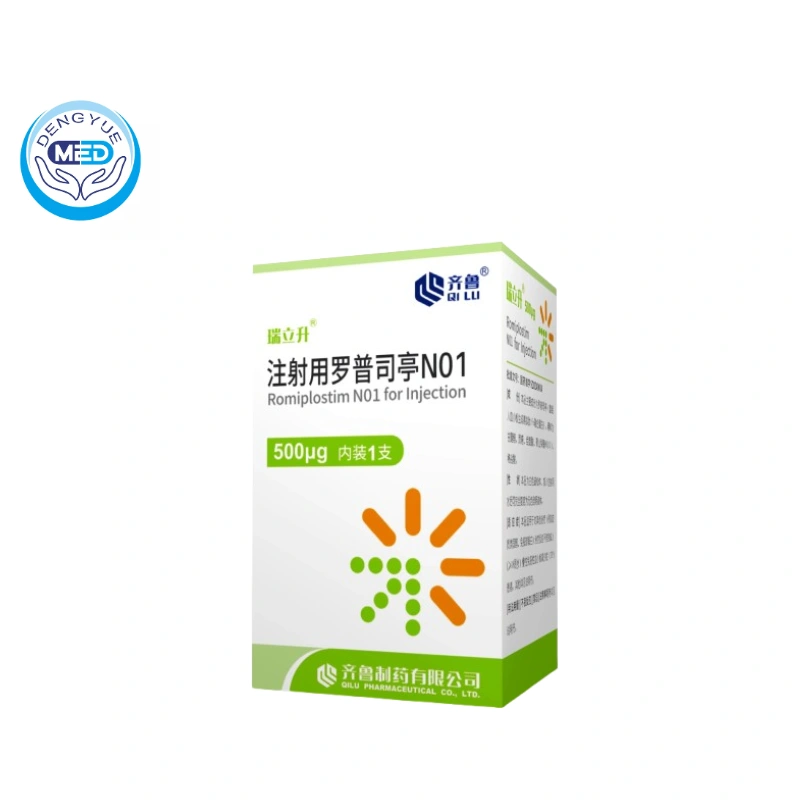
Nplate Romiplostim | Immune Thrombocytopenia | DengYueMedicine

Pirtobrutinib|Chronic Lymphocytic Leukemia (CLL)
Zevorcabtagene Autoleucel Injection|Multiple Myeloma
Prednisone Acetate Tablets|Immune Inflammatory Diseases
Proglycem Diazoxide | Hyperinsulinemic Hypoglycemia | DengYueMedicine
Nimustine Hydrochloride for Injection | Brain Cancer
Compound Cyclophosphamide Tablets | Ovarian Cancer | DengYueMed
Reviews
There are no reviews yet.