
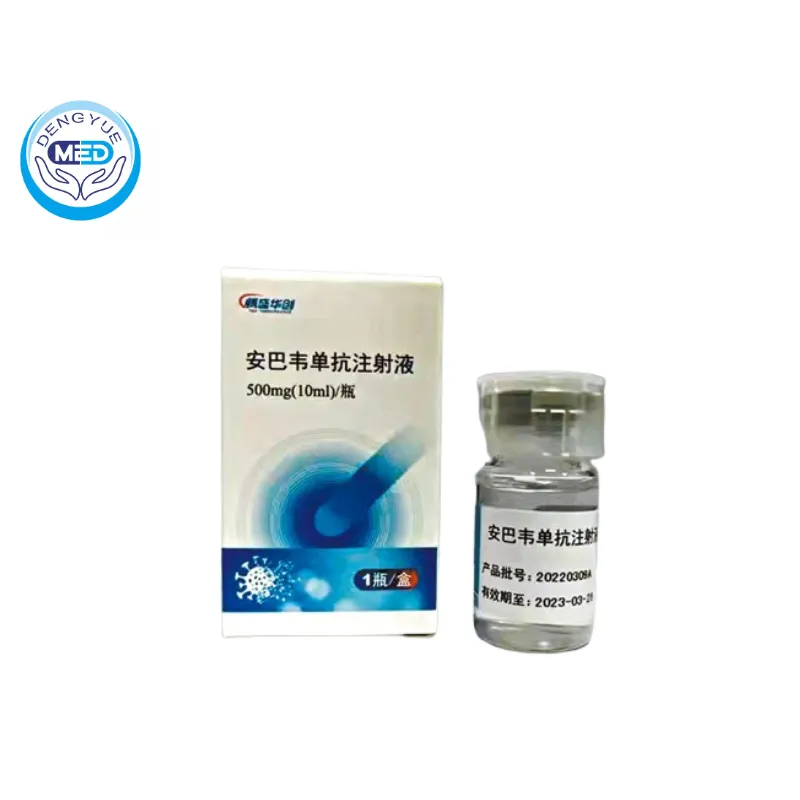
Brii Biosciences (Amubarvimab) – COVID-19 | HongKong DengYue Medicine
- Generic Name/Brand Name: Amubarvimab/Brii Biosciences
- Indications: COVID-19
- Dosage Form: Injection
- Specification: 500 mg (10 ml) × 1 vial
Amubarvimab Application Scope
Treatment of adults and pediatric patients (aged 12–17 years and weighing ≥ 40 kg) with mild-to-moderate COVID-19 who are at high risk of progression to severe disease (including hospitalization or death). (Pediatric indication in some jurisdictions is conditional). This indication is the basis for approval in China (NMPA, Dec 2021) and inclusion in national treatment guidance.
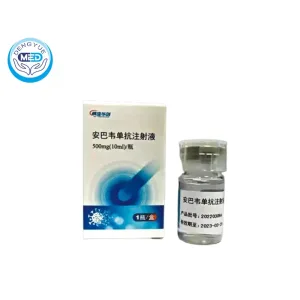
Amubarvimab Characteristics
Ingredients: Amubarvimab
Properties: A clear to slightly opalescent, colorless to slightly yellow solution for intravenous infusion
Packaging Specification: Single-dose vials, co-packaged with Romlusevimab vials to form one complete treatment course
Storage: Store frozen at -25°C to -15°C
Expiry Date: See vial/outer carton label and official package insert
Executive Standard: Manufactured under current Good Manufacturing Practice (cGMP) standards
Approval Number: For the specific approval number, consult the NMPA database or the product package insert
Date of Revision: See most recent package insert
Manufacturer: Brii Biosciences
Guidelines for the Use of Amubarvimab
Dosage and Administration:
Recommended Dose: Amubarvimab (BRII-196) 1000 mg IV administered first, followed by Romlusevimab (BRII-198) 1000 mg IV (sequential infusions). The two monoclonal antibodies are given as a one-time treatment course (both administered the same visit).
Administration: The solution was diluted and administered as an intravenous (IV) infusion over approximately 60 minutes. The infusion was to be completed within 8 hours of dilution. Patients were to be observed for at least 1 hour after the infusion was complete.
Missed Dose: As it was a single-dose regimen, a “missed dose” was not applicable. If the infusion was interrupted, the decision to resume was at the discretion of the healthcare provider.
Adverse Reactions:
Common Adverse Reactions: Infusion-related reactions were the most commonly reported (e.g., fatigue, nausea, headache, vomiting, dizziness, itching, rash).
Serious Adverse Reactions: Hypersensitivity reactions, including anaphylaxis, were possible.
Contraindications:
Known hypersensitivity to amubarvimab, romlusevimab, or any excipient in the formulation.
Use in populations not studied should follow local label and clinician judgment (e.g., severe hospitalized COVID-19 requiring high-flow oxygen or mechanical ventilation—many neutralizing antibodies were not shown beneficial in late severe disease and may not be indicated). Check the local product label for full contraindication list.
Precautions:
Evaluate for prior allergic reactions; monitor patients during infusion and for a defined observation period afterward per local protocols.
Effectiveness may be reduced against SARS-CoV-2 variants that escape neutralization—clinicians should consider circulating variants and current guidance when selecting monoclonal antibody therapy.
Limited data in pregnant or breastfeeding persons—use only if potential benefit justifies potential risk.
Immunogenicity (anti-drug antibodies) has been monitored in trials; follow label for guidance.
Amubarvimab Interactions
Drug-Drug Interactions: Formal drug interaction studies were not conducted. As a monoclonal antibody, Amubarvimab is not metabolized by cytochrome P450 enzymes, making interactions with small-molecule drugs unlikely.
Concomitant Use: Could be administered concurrently with other standard COVID-19 treatments (e.g., corticosteroids, anticoagulants) as per the treating physician’s judgment. No specific antagonistic interactions were identified.
Note:
- If there is a new packaging for the drug, the new packaging shall prevail. The above information is sourced from DengYue Medicine.
- This content is for reference only. Prescription drugs must be used under a doctor’s guidance and purchased from authorized sources.
Related products
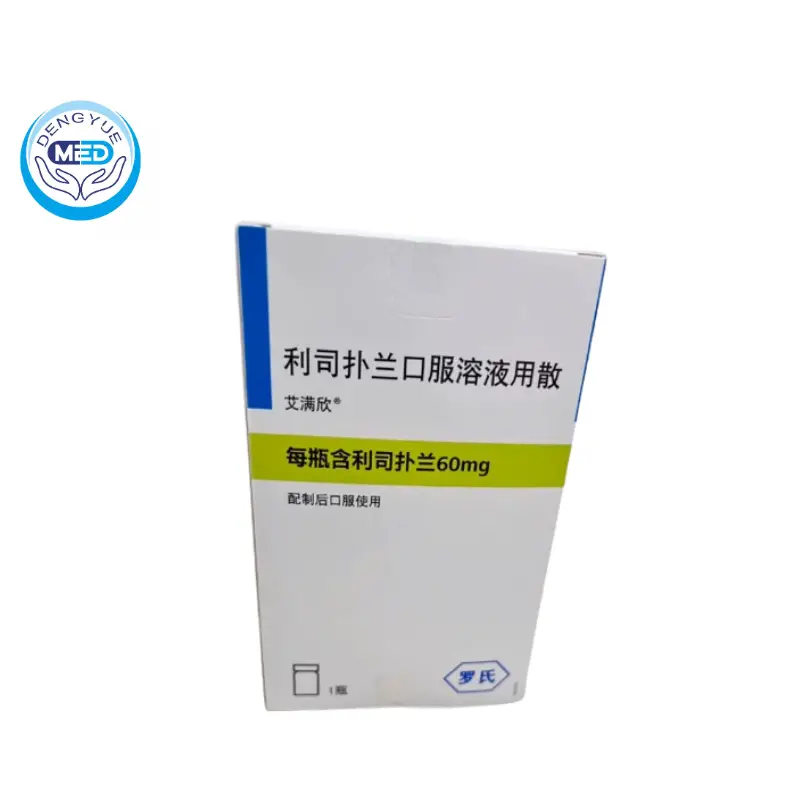
Risdiplam Oral Solution For Spinal Muscular Atrophy
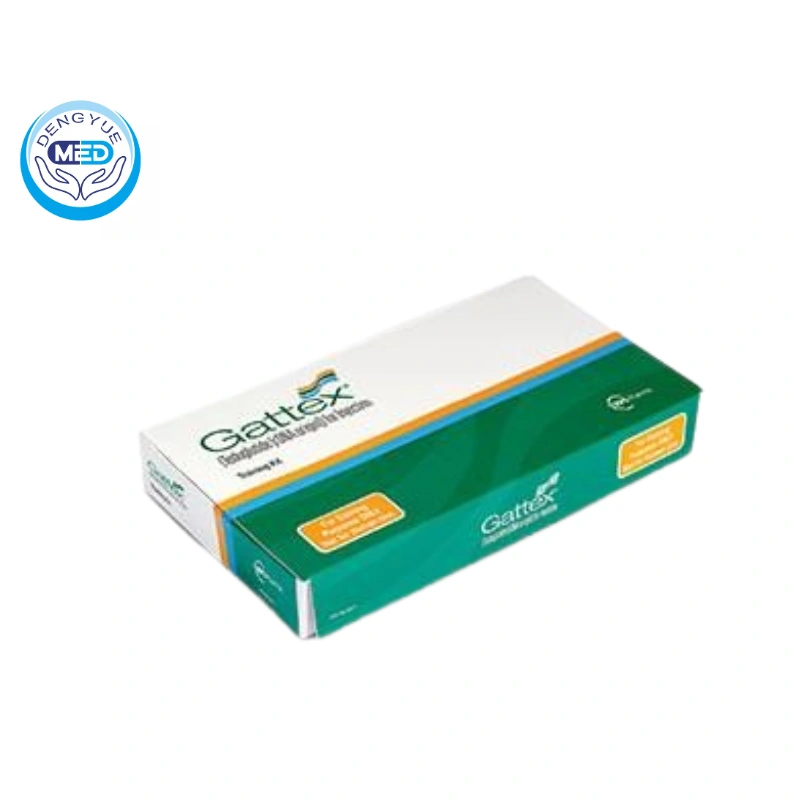
Gattex Teduglutide | Short Bowel Syndrome | DengYueMedicine
Thiamazole Cream | Anti Hyperthyroidism
.webp "myozyme(alglucosidase alfa)")
Myozyme(Alglucosidase Alfa )- Pompe Disease

Spesolimab Injection | Psoriatic Arthritis Treatment

Nusinersen Injection – Spinal Muscular Atrophy
Ubenimex Capsules|Enhancement of immune function
Agalsidase Alfa | Anti Fabry Disease
Reviews
There are no reviews yet.