Can You Recover From Breast Cancer? Breast Cancer Symptoms & Treatments
Table of Contents
Introduction
Diagnosed with breast cancer? You’re not alone. Explore this blog to understand what breast cancer really is—from its types, causes, and symptoms to the latest in effective treatment options.
Empower yourself with knowledge and take the first steps toward awareness and action.
Always remember, this is your body. You will be left with the decisions that are made.
What Is Breast Cancer?
It occurs when breast cells grow uncontrollably and form a tumor. This type of cancer usually starts in the milk ducts (ductal carcinoma) or lobules (lobular carcinoma), but can also occur in other breast tissues, such as connective tissue or blood vessel tissue (such as angiosarcoma).
It is one of the most common cancers worldwide, with more than 2.2 million new cases in 2020.
What Are The 4 Types Of Breast Cancer?
1. Pre-invasive (in situ)
Ductal carcinoma in situ (DCIS): Abnormal cells are found in the breast ducts but have not spread to other parts of the body.
This is stage 0 and can be cured with surgery (lumpectomy or mastectomy) ± radiation therapy. Cure rates are usually high.
Lobular carcinoma in situ (LCIS): Abnormal cells are found in the lobules; not true cancer, but indicates an increased risk in the future. Usually requires surveillance rather than aggressive treatment.
2. Invasive
Invasive tumors have spread beyond their original ducts or lobules to surrounding breast tissue. This is the most common type.
Invasive ductal carcinoma (IDC): Starts in the ducts; accounts for about 70-80%.
Invasive lobular carcinoma (ILC): Starts in the lobules; accounts for about 10-15%. Tumors tend to grow diffusely and may require different imaging tests.
3. IBC
This is a rare but aggressive form of breast cancer (1-6%) that is caused by cancer cells blocking lymph vessels, resulting in redness, swelling, and “orange peel” (skin that resembles orange peel).
It is often misdiagnosed as an infection. Prompt, aggressive treatment is required.
4. Metastatic (Stage IV)
Cancer that has spread beyond the breast and nearby lymph nodes to distant organs (such as bone, liver, lung, or brain).
Considered incurable but often manageable long term through systemic therapies, including targeted treatments.
Breast Cancer Causes
It occurs when normal breast cells develop genetic changes (mutations), disrupting their growth control, causing them to multiply uncontrollably and form tumors.
While the exact cause of each case is often unknown, research has identified several key risk factors that may increase this cancer risk – some of which can be controlled and others that cannot.
Uncontrollable (Non-modifiable) Risk Factors
Age & Gender: Being female and increasing age are the strongest risk factors—most cases occur after age 50
Genetic Mutations & Family History: Around 5–10% of these cancers stem from inherited mutations (e.g., BRCA1, BRCA2) that significantly raise risk—up to 72% by age 80.
Having close relatives (mother, sister, daughter) with breast or ovarian cancer also elevates risk.
Reproductive & Hormonal Factors: Early menstruation (before age 12), late menopause (after 55), first pregnancy after 30, or never having a full-term pregnancy—all lead to longer estrogen exposure and higher risk.
Dense Breast Tissue: Women with dense breasts not only have a higher risk but also face detection challenges on mammograms.
Lifestyle & Environmental (Modifiable) Risk Factors
❗Alcohol Consumption
❗Obesity & Physical Inactivity
❗Hormone Therapies & Contraceptives
❗Radiation Exposure
❗Smoking
❗Environmental Chemicals
Breast Cancer Symptoms

A New Lump or Thickening
- A new lump or mass in the breast or underarm is the most reported first symptom.
- While most lumps are benign, a persistent, hard, painless lump with irregular edges could signal cancer
- Real-world reminder: Lea Hughes, initially dismissed by doctors, ignored a lump until it became cancerous and spread—highlighting how “a lump” should always prompt medical attention
Skin Changes or Texture Alterations
- Look for dimpling, puckering, redness, warmth, or swelling—especially if one breast develops an “orange peel” appearance
- These changes can indicate either tumor invasion or inflammatory breast cancer.
- Example: Lydia Whelan first noticed an unusual breast indentation—it turned out to be early-stage cancer, underscoring that subtle signs often precede diagnosis.
Nipple Alterations or Discharge
- Be alert for nipple inversion, rash, scaling, or any fluid discharge (clear, bloody, or milky) from the nipple
- Although common in noncancerous conditions, these symptoms warrant evaluation—especially if sudden or persistent.
- Insight: Jessie J’s public discussion about her nipple changes helped raise awareness that such symptoms are serious, even in young, healthy women
Other Signs to Watch For
- Breast pain—while less common—should not be ignored if it’s persistent and unrelated to menstrual cycles
- Swelling of lymph nodes under the arm or near the collarbone can indicate spread to nearby tissues
Breast Cancer Treatments
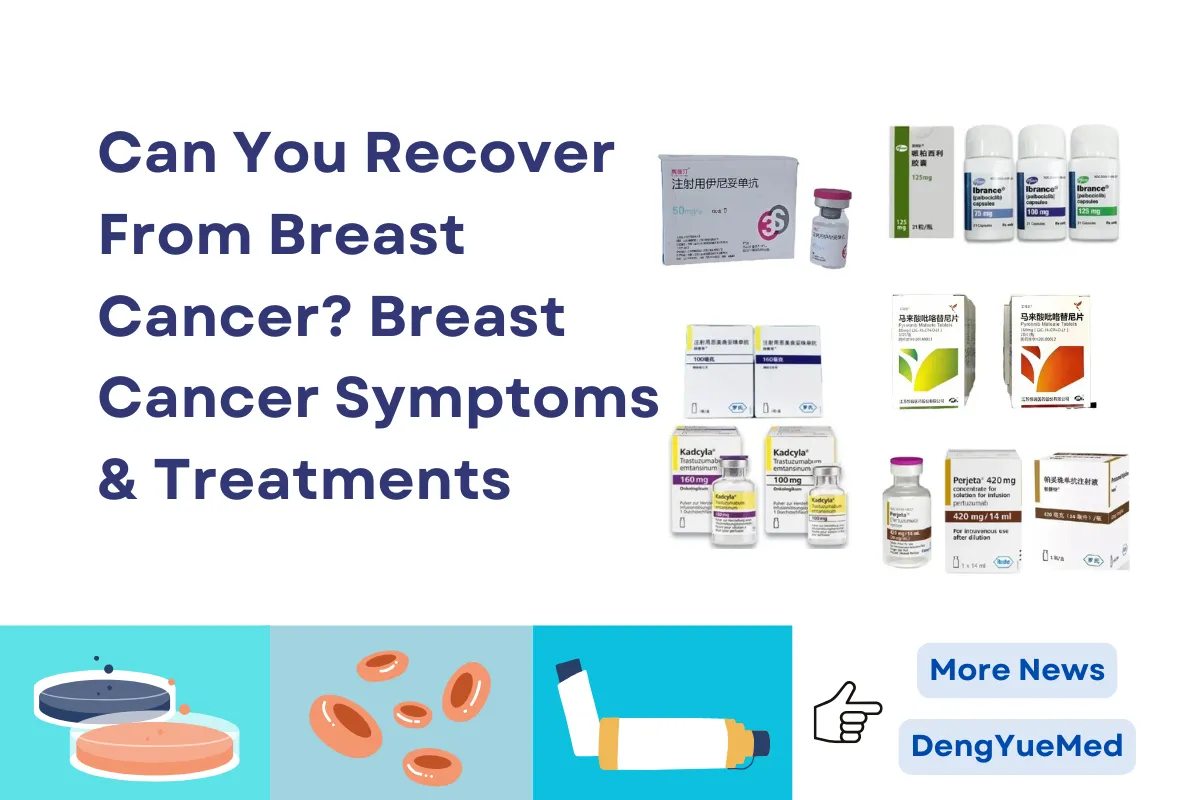
After knowing the types, causes, and symptoms of it, let’s go further to explore some effective drugs:
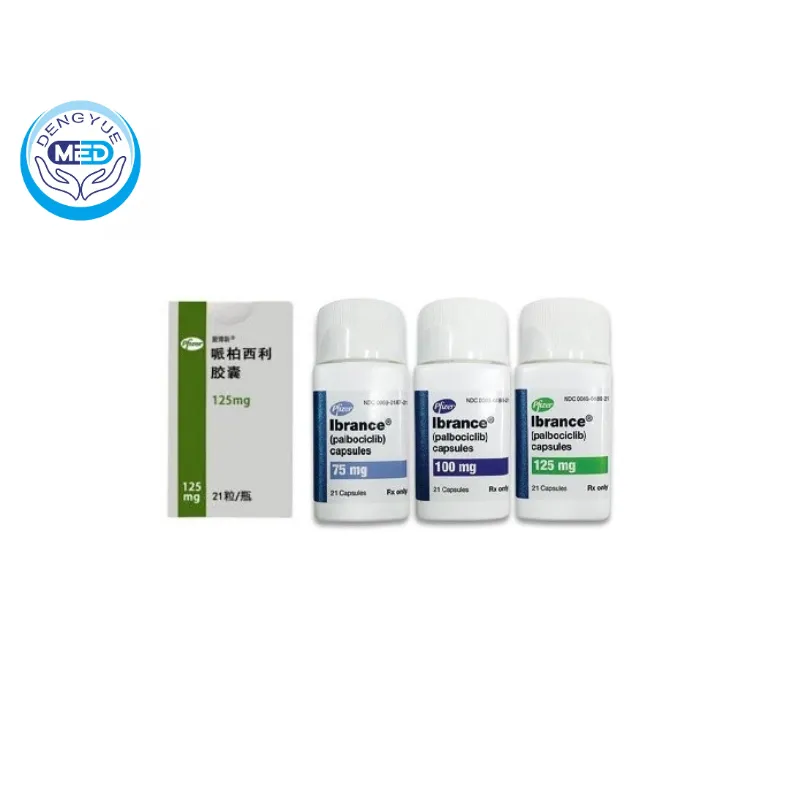
Palbociclib (Ibrance) was FDA‑approved in 2015 for advanced hormone-receptor-positive breast cancer (with hormonal therapy).
While not originally designed for HER2-positive disease, it is now sometimes given in triple-positive cases alongside HER2 therapies.
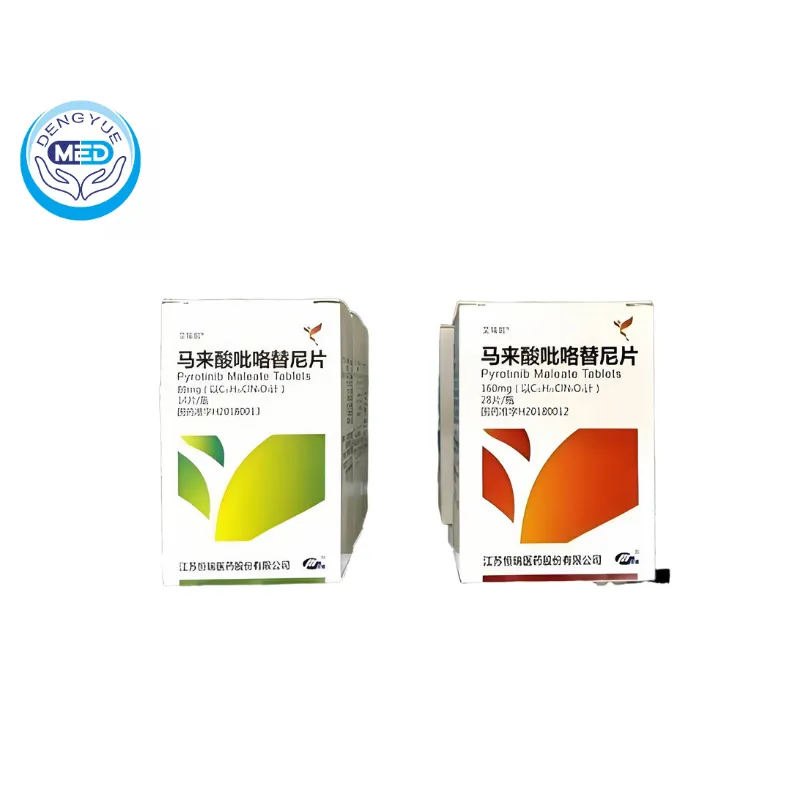
Pyrotinib (Irene) was first approved in China in 2018 (CFDA/NMPA) for HER2-positive metastatic breast cancer, typically given in combination with chemotherapy (for example capecitabine)

Pertuzumab (Perjeta) was FDA-approved in 2012 (CLEOPATRA trial) for first-line metastatic HER2-positive breast cancer in combination with trastuzumab and a taxane
It later received FDA approval for neoadjuvant use (together with trastuzumab and chemo) and adjuvant use (APHINITY trial) in early HER2+ breast cancer.
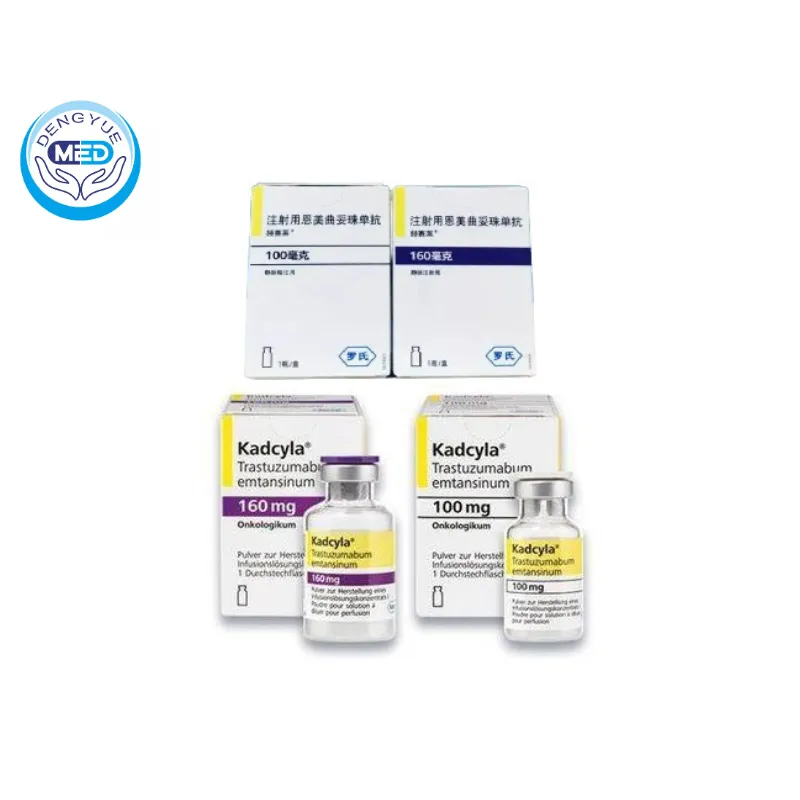
Trastuzumab Emtansine (Kadcyla) was FDA-approved in 2013 for metastatic HER2+ breast cancer after progression on trastuzumab and a taxane.
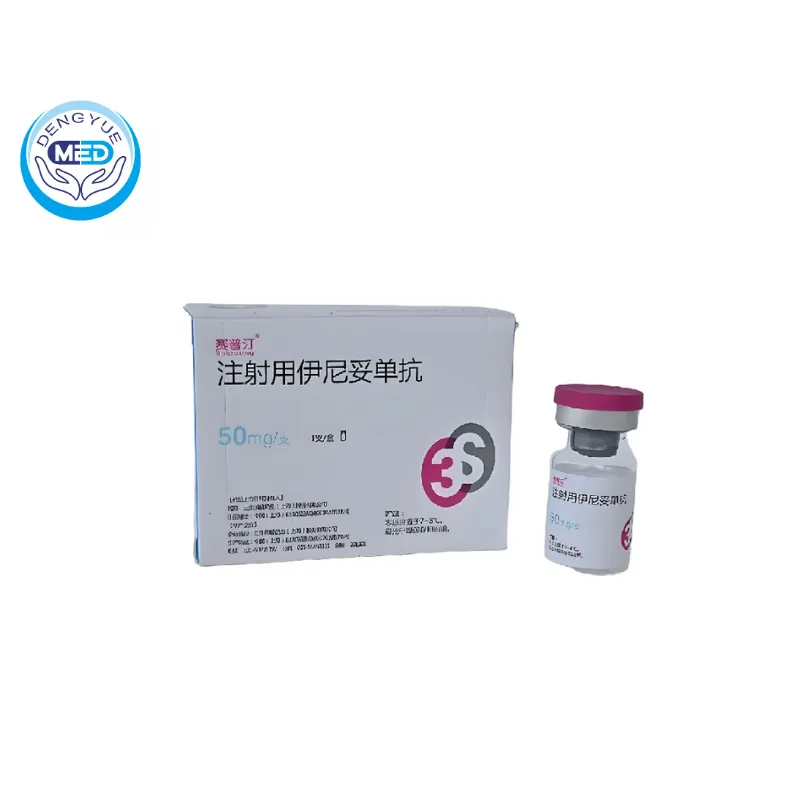
Inetetamab (Cipterbin). In June 2020 the Chinese NMPA granted approval to Inetetamab (Cipterbin) as the first entirely Chinese-developed HER2 monoclonal antibody, for use “in combination with chemotherapy” for HER2-positive metastatic breast cancer
🌟 Can You Recover From Breast Cancer?
Absolutely — many people do recover and thrive after breast cancer. Recovery is a journey of physical healing, emotional resilience, and renewed purpose.
Medical Recovery & Remission
Complete responses and long-term survival are very achievable, especially for early-stage cancer.
For instance, Jessie J, the 37-year-old singer, was diagnosed with early-stage cancer and underwent successful surgery—with a supportive family and medical team helping her through treatment and recovery
Even when the disease is advanced, recovery is still possible.
Tina Willits, a mother diagnosed with stage IV HER2‑positive cancer, overcame her prognosis using immunotherapy combined with cryoablation and supplements, ultimately becoming cancer-free within months.
About DengYueMed—HK Drug Wholesale Distributor
As a legally compliant drug import and export company, DengYue is certified by the Pharmacy & Poisons Board of Hong Kong — you can verify our qualification on their official website.

Our efforts to improve the affordability of Breast Cancer treatment aim to ensure that more patients can benefit from this important medication.
HK DengYue provides detailed medicine information, transparent pricing, and responsive support to ensure a smooth and reliable buying experience.
Feel free to reach out anytime to discuss your needs or ask questions about the medicine. We welcome you to contact us for a consultation.
FQA about Breast Cancer
What Are The Top 3 Signs of Breast Cancer?
1. A New Lump or Thickening
2. Skin Changes (Dimpling, Redness, Swelling)
3. Nipple Changes or Discharge
What Are The Challenges of Breast Cancer?
It brings far more than a medical diagnosis—it comes with a constellation of challenges that ripple across health, emotion, finances, relationships, and society.
How Does Breast Cancer Affect Health?
Its impact is deep and multifaceted—from chronic physical symptoms to mental health challenges and lifestyle disruptions. But with comprehensive, integrated care—addressing physical health, mental well-being, and quality of life—many patients not only survive, but thrive.
Can I Live 20 Years after Breast Cancer?
Yes—many people not only survive but thrive for decades afterward.