
What Is the Main Cause of Kidney Cancer?Uncovering The Hidden Threat to Kidney Health
What is the main cause of kidney cancer? Smoking and obesity are currently the most widely recognized risk factors for kidney cancer, with smokers facing nearly double the risk compared to non-smokers.
Nestled deep in our lower backs, the bean-shaped kidneys silently perform the vital mission of filtering blood and removing toxins from our bodies. Yet, they are also targets for cancer attack.
Over the past two decades, the incidence of kidney cancer in China has grown at an average annual rate of 6.5%. More worryingly, the kidneys are “silent organs”—many kidney diseases show no obvious clinical symptoms in their early stages.
By the time kidney cancer symptoms like blood in the urine or back pain appear, the disease has often progressed to mid- or late stages. Understanding the main causes of kidney cancer becomes the critical first step in protecting our kidney health.
At Hong Kong DengYue Medicine, we emphasize the importance of understanding these warning signs to help healthcare professionals and patients detect cervical cancer early and select the most effective treatments.
What Exactly Is Kidney Cancer?
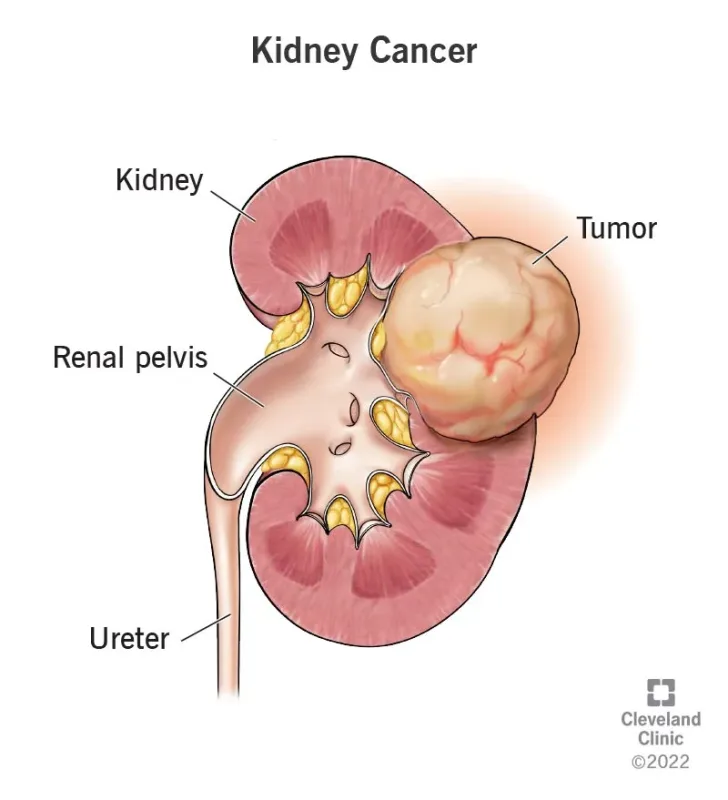
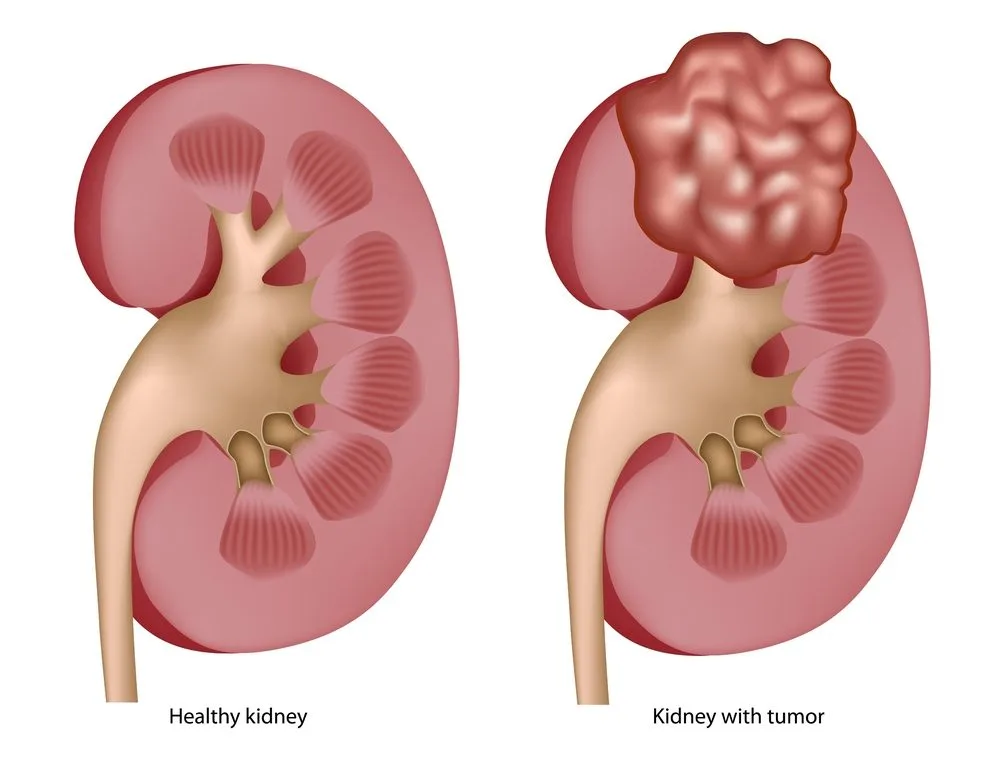
Kidney cancer, medically known as renal cancer, develops when abnormal cells in one or both kidneys grow uncontrollably, forming malignant tumors.
Most kidney cancers originate in the lining of the tiny tubes (tubules) responsible for filtering blood and producing urine. These cancers are classified based on their cellular origin and biological behavior, which significantly influences treatment approaches and prognosis.
Who Is Most at Risk?
Kidney cancer typically affects adults between 50 and 70 years old, with men facing approximately twice the risk as women. While it can occur in younger individuals, the risk increases significantly with age. Certain populations demonstrate higher vulnerability, including those with:
- Family history of kidney cancer
- Long-term tobacco users
- Individuals with obesity or metabolic disorders
- People with uncontrolled hypertension
- Those with chronic kidney disease or on dialysis
Major Types of Kidney Cancer Explained
Renal Cell Carcinoma: The Most Common Form
Accounting for approximately 90% of adult kidney cancers, renal cell carcinoma (RCC) originates in the lining of the kidney’s filtering tubes. RCC has several important subtypes:
- Clear cell RCC: Represents 70-80% of cases
- Papillary RCC: Accounts for 10-15% of cases
- Chromophobe RCC: Comprises 5-10% of cases
Each subtype has distinct genetic characteristics and treatment responses.
Transitional Cell Carcinoma: The Renal Pelvis Cancer
Making up about 6-7% of kidney cancers, this type begins in the renal pelvis where the kidney connects to the ureter. Transitional cell carcinoma behaves similarly to bladder cancer and often requires comparable treatment approaches, including surgical intervention and immunotherapy.
Wilms’ Tumor: Pediatric Kidney Cancer
Primarily affecting children under age 5, Wilms’ tumor (nephroblastoma) accounts for approximately 95% of pediatric kidney cancers. This embryonal tumor demonstrates excellent treatment responses, with modern cure rates exceeding 90% when detected early and treated with multimodal therapy.
Rare and Specialized Variants
Less common forms include:
- Renal sarcoma: Arising from kidney connective tissue
- Collecting duct carcinoma: Highly aggressive variant
- Renal oncocytoma: Typically benign tumors
Each represents less than 1% of kidney cancer cases but requires specialized diagnostic approaches.
The Main Cause of Kidney Cancer
Smoking: The Most Recognized Environmental Risk Factor
Numerous prospective studies show a positive correlation between smoking and kidney cancer incidence. Smokers face twice the risk of developing kidney cancer compared to non-smokers, with long-term heavy smokers at even higher risk.
Harmful substances in tobacco (such as acrolein) enter the kidneys through blood circulation, directly damaging renal tubule cells. The long-term accumulation of these chemicals may cause DNA mutations in cells, eventually leading to cancer.
Obesity and Metabolic Abnormalities
Higher body mass index (BMI) correlates with increased risk of kidney cancer. Obese individuals face 30%-50% higher risk of developing kidney cancer compared to those with normal weight.
The mechanism linking obesity to kidney cancer may relate to hormonal imbalances in the body. Excess weight causes changes in certain hormones that stimulate abnormal proliferation of kidney cells, increasing cancer risk.
Hypertension and Medication
Hypertension patients have 1.4 to 2 times higher risk of developing kidney cancer. The risk is 20% higher among hypertensive patients compared to the general population.
The medical community still struggles to distinguish whether hypertension itself or antihypertensive medications (particularly diuretics) cause kidney cancer, as these two factors are often intertwined in all studies.
Genetic Factors and Family History
Although hereditary kidney cancer accounts for only 2% to 4% of all kidney cancer cases, people with a family history of kidney cancer show significantly increased risk.
Currently identified hereditary kidney cancers include VHL syndrome and MET gene-related hereditary papillary renal cell carcinoma. These genetic disorders are typically passed through families in an autosomal dominant inheritance pattern.
Occupational and Environmental Exposures
Long-term exposure to certain chemicals and heavy metals also increases kidney cancer risk:
- Asbestos: Widely used in construction and manufacturing, tiny fibers can enter the human body.
- Cadmium: A metal found in certain industrial environments.
- Trichloroethylene: An organic solvent used in metal degreasing and dry cleaning industries.
These substances can enter the body through skin contact or inhalation, causing carcinogenic effects on kidneys and other organs.
Other Potential Risk Factors
Diabetic patients are more likely to develop kidney cancer than non-diabetics. Up to 15% of kidney cancer patients have diabetes—five times the rate in the general population.
Patients with end-stage renal disease, particularly those requiring long-term dialysis, may also experience increased kidney cancer incidence.
Certain drug abuses, especially analgesics containing phenacetin, can increase the risk of kidney cancer.
Kidney Cancer Prevention Strategies
1. Quit Smoking and Limit Alcohol
Smoking cessation is the most important modifiable factor in kidney cancer prevention. Studies show that people who quit smoking for over 30 years can reduce their kidney cancer risk by 50%, with long-term quitters reaching risk levels similar to never-smokers.

2. Weight and Blood Pressure Management
Maintain body mass index (BMI) within the ideal range of 18.5-24 and keep blood pressure at healthy levels below 120/80 mmHg.

3. Dietary Adjustments
Stay well-hydrated, reduce red meat consumption, and increase the proportion of antioxidant-rich fruits and vegetables like blueberries and carrots in your diet. Moderate alcohol consumption (especially for postmenopausal women) may reduce kidney cancer risk.

4. Occupational Protection
For those working with chemicals, use appropriate protective measures including masks and gloves, and maintain good ventilation in workplaces.
5. Regular Health Check-ups
People aged 40 and above should consider annual kidney ultrasound examinations, which can generally detect kidney tumors larger than 0.5 cm. Those with a family history of kidney cancer may consider semi-annual check-ups.
New Dawn in Kidney Cancer Treatment: Breakthrough Advances with YERVOY and Belzutifan
YERVOY: Core Component of Combination Immunotherapy
YERVOY (ipilimumab) is an immune checkpoint inhibitor that works by targeting the CTLA-4 receptor. CTLA-4 is a negative regulator of T-cell activity. YERVOY binds to CTLA-4 and blocks its interaction with ligands CD80/CD86, thereby enhancing T-cell activation and proliferation, including the activation and proliferation of tumor-infiltrating T-effector cells.

YERVOY (Ipilimumab) – Advanced Malignancies | HongKong DengYue Medicine
- Generic Name/Brand Name: Ipilimumab / YERVOY
- Indications: Melanoma, Renal Cell Carcinoma (RCC), Colorectal Cancer (MSI-H/dMMR), Hepatocellular Carcinoma (HCC), Non-Small Cell Lung Cancer (NSCLC), Malignant Pleural Mesothelioma (MPM), Esophageal Squamous Cell Carcinoma (ESCC)
- Dosage Form: Injection, solution for intravenous infusion
- Specification: 50 mg/10 mL (5 mg/mL) × 1 vial; 200 mg/40 mL (5 mg/mL) × 1 vial
Belzutifan: A Rising Star in Targeted Therapy
Belzutifan is a first-in-class hypoxia-inducible factor-2α (HIF-2α) inhibitor, representing a new direction in kidney cancer targeted therapy. In August 2021, the US FDA approved Belzutifan for the treatment of adults with von Hippel-Lindau (VHL) syndrome-associated renal cell carcinoma (RCC), central nervous system (CNS) hemangioblastoma, or pancreatic neuroendocrine tumors (pNET) that do not require immediate surgery.

Belzutifan|Kidney Cancer|HongKong DengYue Medicine
- Generic Name/Brand Name: Belzutifan/WELIREG
- Indications: Kidney Cancer
- Dosage Form: film-coated tablets
- Specification: 40 mg
FAQ about What Is the Main Cause of Kidney Cancer?
How does kidney cancer start?
The causes of kidney cancer are not known, but factors that put some people at higher risk are: smoking – smokers have almost twice the risk of developing kidney cancer as nonsmokers.
What is the biggest symptom of kidney cancer?
Blood in the urine, known as hematuria.
Can kidney cancer be cured completely?
Renal cell cancer, also called renal adenocarcinoma or hypernephroma, can often be cured if it is diagnosed and treated when still localized to the kidney and the immediately surrounding tissue.
The probability of cure is directly related to the stage or degree of tumor dissemination
How do you avoid kidney cancer?
To lower your risk of kidney and renal pelvis cancers:
1. Keep a healthy weight.
2. Eat a healthy diet.
3. Be physically active.
4. Don’t smoke, or quit if you do.
5. Be very careful if you use certain kinds of chemicals, especially trichloroethylene. This chemical is used by workers in some jobs, like those that work with metals.



The rise in kidney cancer rates in China is definitely concerning. I wonder if environmental changes or shifts in dietary habits over the last 20 years could be contributing factors beyond smoking and obesity.