Why Does ES-SCLC Remain So Deadly?
Extensive-stage small-cell lung cancer (ES-SCLC) is an aggressive form of lung cancer, accounting for ~70% of SCLC cases at diagnosis.
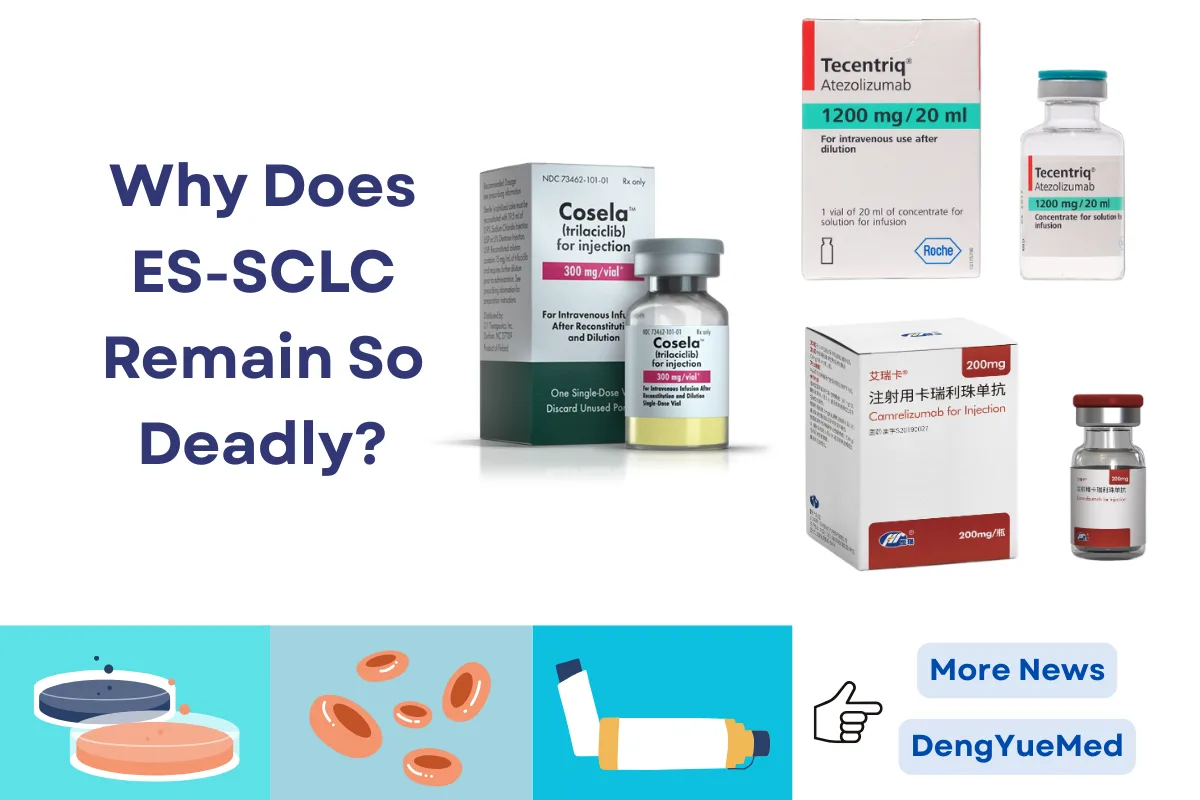
With rapid progression and high recurrence rates, ES-SCLC has historically had a poor prognosis, but recent advances in immunotherapy and targeted therapies—including Tecentriq (atezolizumab), Cosela (trilaciclib), and Arelili (serplulimab)—are reshaping treatment paradigms.
This guide explores ES-SCLC’s prognosis, survival rates, and the es sclc treatment.
🔬 What is ES-SCLC?
ES-SCLC is defined by metastatic spread beyond one lung, often involving:
- Contralateral lung
- Distant lymph nodes
- Liver, brain, or bones
Unlike limited-stage SCLC (confined to one lung and nearby lymph nodes), ES-SCLC is not curable with surgery or radiation alone, making systemic therapies crucial15.
🔄 What is the Difference between LS and ES Small Cell Lung Cancer?
SCLC is principally classified into:
- Limited-stage (LS‑SCLC):
- Cancer is confined to one lung and possibly nearby lymph nodes, small enough to be encompassed within a single radiation field.
- About 30–33% of cases fall into this category. It has better outcomes; roughly 20–25% achieve long-term survival with aggressive chemo-radiation therapy.
- Extensive-stage (ES‑SCLC):
- Cancer has spread beyond the hemithorax, often involving the opposite lung, distant nodes, liver, brain, or bones.
- This form is not curable with local therapies alone, making systemic approaches essential. ES‑SCLC accounts for roughly 66–70% of SCLC cases at diagnosis.
In short, LS means a potentially curable disease with better survival, while ES indicates widespread cancer, poor prognosis, and reliance on systemic treatment.
🕰️ What is Life Expectancy with SCLC?
Small‑cell lung cancer (SCLC) is among the most aggressive cancers. For untreated patients, median survival is just 2–4 months. With treatment, outcomes vary significantly by stage:
- Limited-stage SCLC (LS‑SCLC): Median survival is approximately 12–16 months, with a 5‑year survival rate around 21–26%.
- Extensive-stage SCLC (ES‑SCLC): Median survival ranges between 6 and 12 months, and only a small minority survive beyond 5 years, with 5‑year survival typically under 3%.
Modern advances like chemotherapy, immunotherapy, and supportive care have modestly improved these numbers, but relapse remains common, and long‑term survival is rare.
🧬 Extensive Stage Small Cell Lung Cancer Treatment
ES‑SCLC cancer is usually treated with a platinum + etoposide chemotherapy backbone, often combined with immune checkpoint inhibitors and supportive drugs to enhance safety and outcomes.
What it is
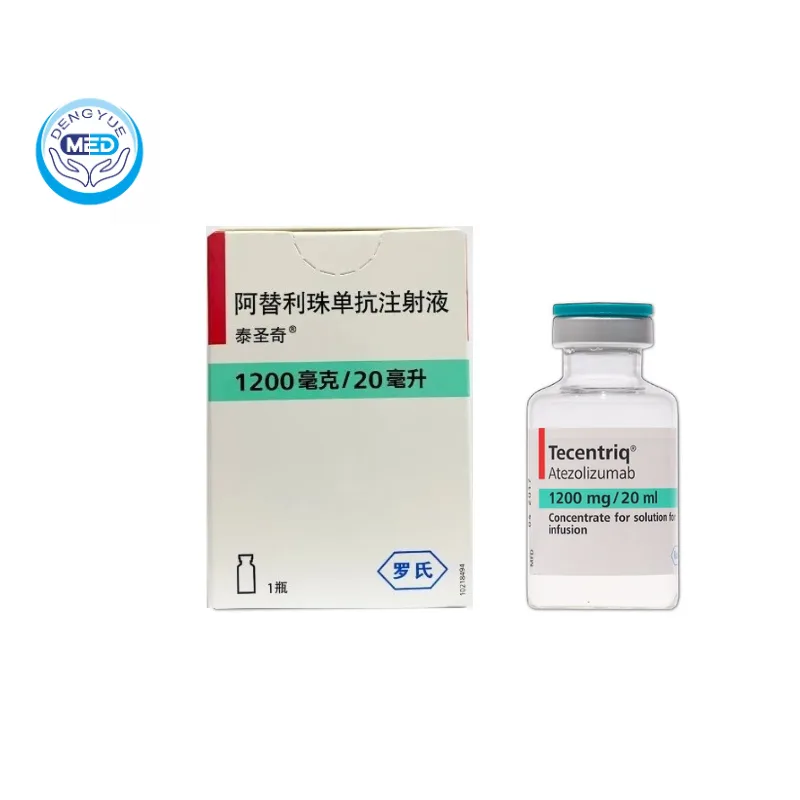
Tecentriq is a PD‑L1 immune checkpoint inhibitor that improves overall survival in first‑line ES‑SCLC when used alongside carboplatin and etoposide.
Why it matters
Approved in March 2019 for ES‑SCLC, Tecentriq marked the first immunotherapy to extend survival beyond chemo‑alone, delivering a breakthrough in a treatment‑stagnant era.
It enhances T‑cell response by blocking PD‑L1, preventing tumors from evading immune destruction.
Clinical benefit & use
- Combined with carboplatin + etoposide during induction, followed by maintenance Tecentriq.
- Common side effects: fatigue, nausea, hair loss; serious immune-related events are possible.
Latest developments
- The Phase III IMforte trial shows maintenance with Tecentriq plus lurbinectedin significantly improves progression‑free survival (PFS) and overall survival (OS): median OS ~13.2 months versus 10.6 months with Tecentriq alone (HR=0.73).
- FDA granted Priority Review of this maintenance combo, with action expected by October 7, 2025.
What it is
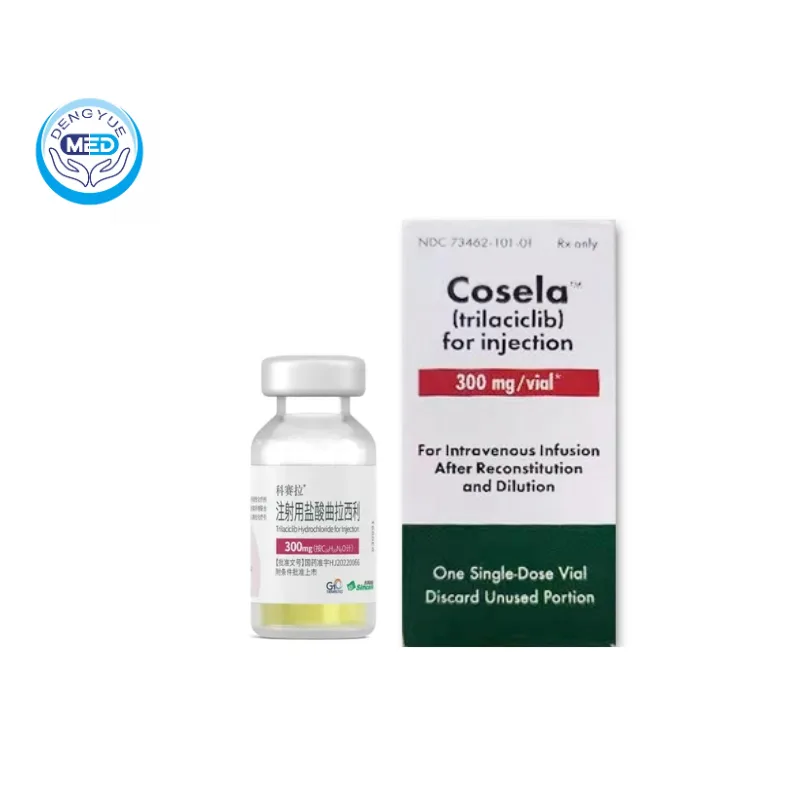
Cosela is the first CDK4/6 inhibitor designed to protect bone marrow from chemotherapy‑induced toxicity in ES‑SCLC.
Why it matters
Myelosuppression (low blood counts) is a major dose-limiting toxicity of platinum/etoposide regimens.
Cosela, given before chemo, shields hematopoietic stem and progenitor cells without reducing anti‑tumor efficacy.
Clinical results
- FDA‑approved in February 2021 after trials showed robust reductions in severe neutropenia and shortened duration of low blood counts.
- Administered 30 min IV before each chemotherapy cycle; typical dosage is 240 mg/m².
Benefits for patients
- Reduced transfusion and infection risk
- Improved ability to stay on schedule and at full chemotherapy doses
- Recommended by NCCN guidelines
Safety profile
Most common side effects include fatigue, hypocalcemia, headache, and pneumonia; serious but rare effects include infusion-site reactions.
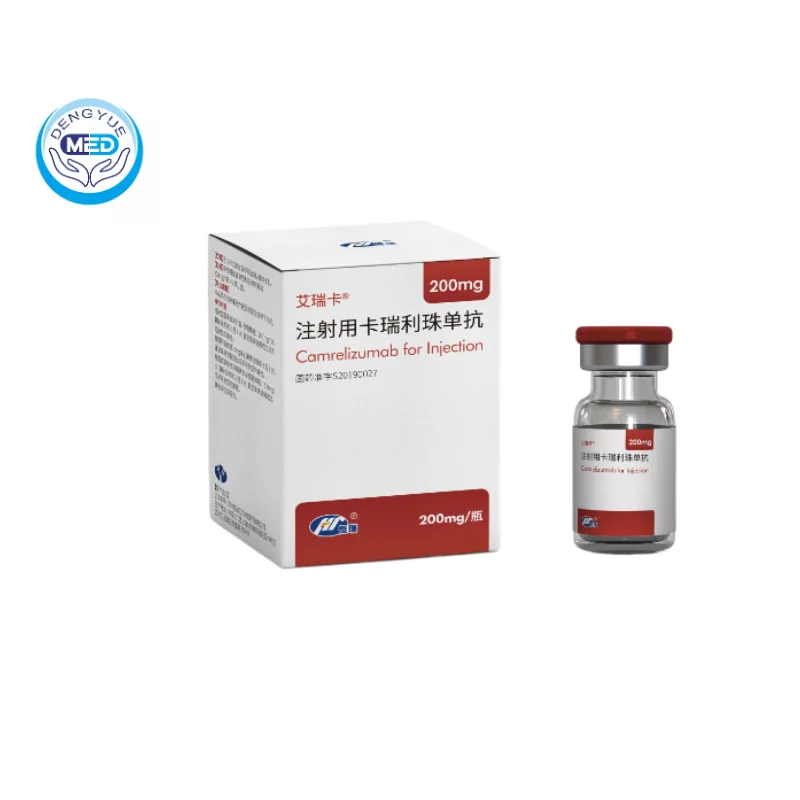
What it is
Arelili is a PD‑L1 monoclonal antibody, currently in early phase‑1/2 trials for SCLC.
Clinical development
Began in mid‑2017; several Phase I studies (e.g., NCT03133247, NCT04041011) are exploring its safety/efficacy in solid tumors, including ES‑SCLC.
Key points
- Targeted at PD‑L1, similar to Tecentriq
- Still investigational — efficacy, side effect profile, and development timeline not yet available.
📣 What is the Prognosis for ES-SCLC?
The prognosis for ES-SCLC is generally poor due to its aggressive nature.
Survival rates are low, with a five-year survival rate ranging from 3% to 27%, depending on various factors such as the patient’s overall health and response to treatment.
Early detection and prompt treatment are crucial for improving outcomes.
🔚 Conclusion
Extensive-stage small-cell lung cancer remains a highly aggressive disease with limited long-term survival. However, recent breakthroughs are significantly enhancing treatment:
- Tecentriq + platinum/etoposide, now standard front-line therapy, improves overall survival.
- Tecentriq + lurbinectedin maintenance further extends survival and reduces progression.
- Cosela shields bone marrow during chemotherapy, minimizing toxicities and enabling full-dose treatment.
- Arelili, an experimental PD-L1 antibody, is in early trials and may soon expand treatment options.
While ES small cell lung cancer remains largely incurable, this multi-faceted approach—combining chemotherapy, immunotherapy, and supportive care—is extending survival, improving quality of life, and offering new hope.
Feel free to ask if you have more questions!
About DengYueMed – HK Drug Wholesale Distributor
As a legally compliant drug import and export company, DengYueMed is certified by the Pharmacy & Poisons Board of Hong Kong — you can verify our qualification on their official website.

Our efforts to improve the affordability of ES-SCLC treatment aim to ensure that more patients can benefit from this important medication.
HK DengYue provides detailed medicine information, transparent pricing, and responsive support to ensure a smooth and reliable buying experience.
Feel free to reach out anytime to discuss your needs or ask questions about the medicine. We welcome you to contact us for a consultation.
FAQ About ES-SCLC
Is ES-SCLC a Rare Disease?
While not considered rare, es sclc lung cancer accounts for about 70% of SCLC diagnoses at initial presentation.
Can ES-SCLC Be Cured?
While es sclc cancer is currently incurable, newer immunotherapies like Tecentriq and Arelili can significantly extend survival and improve quality of life.
How Fast Does ES-SCLC Spread?
Weeks to months if untreated—early diagnosis is critical.
Is Chemo Worth It for Stage 4 SCLC?
Yes, especially with immunotherapy (PD-L1 inhibitors Tecentriq/Arelili), which improves survival in Stage 4 SCLC by 4 to 6 months.
What is the ICD-10 Code for ES-SCLC?
The ICD-10 code for ES SCLC is C34.90 (unspecified malignant neoplasm of bronchus or lung), often supplemented with additional descriptors for staging.