

From a Regional Mystery to a Global Breakthrough: The Scientific Journey of Nasopharyngeal Carcinoma Treatment
Nasopharyngeal carcinoma (NPC) was once regarded as a mysterious regional disease, as its incidence was exceptionally high in southern China, Southeast Asia, and other regions—particularly in Guangdong Province, China—leading to its historical designation as “Guangdong cancer.”
However, decades of collaborative research by the global medical community have transformed it from a regional ailment into a successful paradigm in the era of precision medicine.
In this process of transformation, international pharmaceutical exporters represented by Hong Kong DengYue Medicine serve as an important bridge between innovative medicines and clinical needs, facilitating the real-world implementation of precision diagnostic and therapeutic strategies and contributing to the continuous evolution of nasopharyngeal carcinoma care.
Today, we stand at a watershed moment: the cure rate for early-stage nasopharyngeal carcinoma now exceeds 90%, while patients with advanced disease have gained unprecedented survival opportunities through innovative approaches to nasopharyngeal carcinoma treatment, including immunotherapy, targeted therapy, and antibody–drug conjugates.
This article will provide a systematic analysis of the etiology, diagnosis, and precision medicine breakthroughs that are reshaping the treatment landscape from a global perspective.
Understanding Nasopharyngeal Carcinoma—Etiology and High-Risk Groups
In the global cancer atlas, nasopharyngeal carcinoma (NPC) presents a unique and distinct geographic concentration, long shrouded in the mystery of a “localized disease.”
However, modern medicine has gradually revealed that its occurrence is not accidental or due to a single factor, but rather a “perfect storm” orchestrated by a combination of a virus, genetic code, and living environment.
👉 Understanding the formation of this storm is the first step toward prevention and early intervention.
What Is It? — The Deeply Hidden Cancer of the “Throat Junction”
Nasopharyngeal Carcinoma (NPC) is a malignant tumor originating from the mucosal epithelium of the nasopharynx.
To understand it, one must first grasp its concealed anatomical location: the nasopharynx is situated directly behind the nasal cavity, above the soft palate of the mouth, at the roof of the “tunnel” connecting the nasal cavity to the oropharynx, adjacent to critical skull base bones, nerves, and blood vessels.

Precisely because of its deep-seated location and symptoms that are easily confused with common rhinitis or pharyngitis, early lesions are often overlooked.
🔎 Like a target hidden in fog, once discovered, it is often no longer at the earliest stage.
Understanding this location is fundamental to grasping nasopharyngeal carcinoma pathology outlines and why it requires specialized nasopharyngeal carcinoma treatment.
Why Does Nasopharyngeal Carcinoma Occur? — Dissecting the Interaction of the “Etiological Triangle”
The development of NPC is a classic model of “multifactorial synergistic carcinogenesis.”
🤔 It is not the result of a single factor but the long-term interweaving and joint action of a virus, genetic susceptibility, and environmental exposure, forming a stable “etiological triangle.”
1️⃣ Epstein-Barr Virus (EBV): The Indispensable “Initiator”
- An Almost Ubiquitous Association: Epstein-Barr virus DNA can be detected in the tumor cells of over 95% of non-keratinizing nasopharyngeal carcinomas (the most common subtype).
This virus does not directly “ignite” cancer cells but acts like a latent “manipulator.”
Its encoded specific proteins (such as LMP1, LMP2) can persistently interfere with the normal life activities of nasopharyngeal epithelial cells, inhibiting their apoptosis (programmed cell death) and promoting their proliferation and immortalization, paving the way for eventual malignant transformation.
- The Long Journey from Infection to Cancer: The vast majority of people are infected with EBV in early childhood and carry it for life.However, only a tiny minority develop NPC, suggesting the virus needs to “join forces” with other factors (particularly genetic background) to cause disease.
Clinically, detecting EBV viral capsid antigen immunoglobulin A (VCA-IgA) antibodies and plasma EBV-DNA load in the blood has become an important screening tool and efficacy monitoring indicator.
For instance, high titers of VCA-IgA or persistently high levels of plasma EBV-DNA are clear high-risk signals, crucial for early detection and monitoring response to nasopharyngeal carcinoma treatment.
2️⃣ Genetic and Geographic Factors: The “Susceptibility Map” Engraved in Genes
- Clear Familial Aggregation: First-degree relatives (parents, children, siblings) of NPC patients have a 4 to 10 times higher risk of developing the disease than the general population.
👉 This strong familial tendency points to the core role of genetic susceptibility.
- Clues in the Genetic Code: Research has identified that Human Leukocyte Antigen (HLA) genes, which determine how an individual’s immune system recognizes and responds to EBV infection, are key genetic factors.
For example, individuals carrying specific genotypes such as HLA-A*02:07 and HLA-B*46:01, particularly among the Southern Han Chinese population, have a significantly increased risk of disease.
👉 Their immune systems may be unable to effectively clear EBV-infected cells, allowing the virus to persist and cause damage.
- Behind Geographic High Incidence: The global map of NPC incidence highly overlaps with regions including Southern China (Guangdong, Guangxi, Fujian, Hunan, Jiangxi), Southeast Asia (ethnic Chinese communities in Malaysia, Indonesia, Singapore), North Africa, and Arctic indigenous populations.
👉 This is not only a matter of dietary habits but also the result of the generational inheritance of a shared pool of specific susceptibility genes within these populations.
This is a key aspect of nasopharyngeal carcinoma in Chinese populations and influences global nasopharyngeal carcinoma staging and treatment approaches.
3️⃣ Environment and Lifestyle: The Continuously Acting “Catalyst”
Environmental factors, while not direct causes, are indispensable “catalysts” that drive the carcinogenic process, especially when superimposed on genetic susceptibility, multiplying the risk.
- Diet: The Profound Impact of Childhood Eating Habits
- Salted Fish and Preserved Foods: This is the most well-established environmental risk factor.
These foods generate nitrosamine compounds (such as N-Nitrosodimethylamine) during curing and fermentation processes, which are potent carcinogens. The critical risk window is believed to be childhood and adolescence.
Studies show that frequent consumption of salted fish during weaning or early childhood significantly increases the risk of developing NPC in adulthood, likely because nasopharyngeal epithelial cells are more active and sensitive to carcinogens during youth.
- Smoking: A Clear Hazardous Habit
- Tobacco smoke contains numerous known carcinogens (e.g., polycyclic aromatic hydrocarbons, nitrosamines).
Long-term smoking directly damages the ciliated epithelium of the nasopharynx, disrupts the local immune microenvironment, and creates a synergistic carcinogenic effect with EBV.
Smokers have approximately 1.5 to 3 times the risk of non-smokers, with risk increasing with the amount and duration of smoking.
- Occupational and Environmental Exposure: The Unignorable Long-Term Irritant
- Formaldehyde: Long-term exposure to formaldehyde (e.g., in certain wood processing, textile, and preservation industries) is a clearly identified risk factor.
- Wood Dust, Combustion Products: Populations engaged in woodworking or exposed to combustion products (e.g., wood smoke) also show an elevated risk, possibly related to the long-term physical and chemical irritation these substances cause to the respiratory tract.
Understanding the etiology is crucial for better warning and prevention. As for the suspicious signals that have already appeared, we need a discerning eye to identify them.
This leads to the core topic we will explore next—how to see through those easily confused nasopharyngeal carcinoma symptoms to detect this deeply hidden disease in a timely manner.
Recognizing Early Warning Signs—Symptoms and Diagnosis
When the “storm” of disease begins to brew silently within the body, it sends out its first alarms.
However, for nasopharyngeal carcinoma (NPC), these early signals are often drowned out by the background noise of common ailments like “rhinitis,” “pharyngitis,” or “otitis media.”
Learning to distinguish these subtle yet critical differences is like discerning a lighthouse beam in dense fog—it is the essential method for achieving early diagnosis and securing the best possible nasopharyngeal carcinoma treatment window.
Easily Overlooked Early Symptoms
The early nasopharyngeal carcinoma symptoms often act as “masqueraders,” due to their hidden location and similarity to common inflammations.
It is important to note that these symptoms are typically progressive and unilateral. Here is a “warning checklist” requiring high vigilance:
1.Blood-Stained Postnasal Drip: The Most Alarming “Red Signal”
- Specific Manifestation: This is not fresh blood flowing directly from the nose. Instead, upon waking and clearing the nasal passages (sucking nasal secretions into the throat to spit out), one finds dark red or fresh blood streaks in the phlegm or nasal discharge.
This bleeding may be intermittent, coming and going, and is easily mistaken for nasal membrane damage from “internal heat” or dryness.
❗ Common nosebleeds are often bilateral, copious, and easy to stop; NPC-related bloody discharge is typically unilateral, scant, recurrent, and may be accompanied by an odor.
2. Progressive Unilateral Nasal Obstruction: The “Blocked Passageway” That Should Not Be Ignored
- Specific Manifestation: As the tumor grows in the nasopharynx, it blocks the posterior nostril (choana), leading to poor airflow in one nasal passage.
Initially, it may only be intermittent, worsening with colds, but it gradually develops into persistent, complete nasal obstruction. Common nasal decongestant sprays provide little relief.
❗ Allergic rhinitis typically causes bilateral, alternating nasal congestion accompanied by sneezing and runny nose; NPC-related obstruction is persistent, progressively worsening, and unilateral.
3.Unilateral Ear Symptoms: The Misinterpreted “Ear Alarm”
Specific Manifestation: The tumor compresses or blocks the pharyngeal opening of the Eustachian tube, which connects the nasopharynx to the middle ear, leading to secretory otitis media.
Patients experience unilateral tinnitus (like buzzing or running water), a feeling of fullness in the ear (similar to water trapped after swimming), and conductive hearing loss.
❗ Common otitis media often follows an upper respiratory infection and improves with standard anti-inflammatory treatment; in contrast, ear symptoms caused by nasopharyngeal carcinoma do not respond to conventional treatment and tend to persist or progressively worsen.
4. Painless Neck Mass: The Most Tangible “External Signal”
- Specific Manifestation: This is the initial symptom for approximately 60-80% of patients. The mass is usually located in the upper neck, behind the angle of the jaw.
It is rock-hard in texture, movable in early stages but becoming fixed later, painless, and progressively enlarging. Patients often discover it accidentally while washing their face or touching the area.
❗ This results from cancer cells metastasizing via lymphatic vessels to the neck lymph nodes. The location (the superior deep cervical group) is a classic feature of NPC lymphatic spread and represents one of the most common sites of nasopharyngeal carcinoma metastasis.
5. Cranial Nerve Symptoms and Headache: The “Advanced Alarm” of Disease Progression
- Specific Manifestation: When the tumor invades upward into the skull base bone and nerves, more severe symptoms appear.
- Persistent Headache: Often one-sided (migraine-like), worsening at night, and poorly responsive to painkillers.
- Diplopia (Double Vision): Tumor invasion of the oculomotor, trochlear, or abducens nerves that control eye movement.
- Facial Numbness or Pain: Tumor invasion of the trigeminal nerve.
- Difficulty Swallowing, Hoarseness: Tumor invasion of the glossopharyngeal and vagus nerves (late-stage manifestations).
How Is It Diagnosed? — The Standardized Path from Suspicion to Certainty
Once the above suspicious symptoms appear, one should immediately visit an otorhinolaryngology (ENT) department. Modern medicine has established an efficient and precise standardized diagnostic pathway for NPC:
Step 1: Specialist Examination — Nasal Endoscopy (The “Eyes” That Find the Lesion)
The doctor uses a flexible fiber-optic endoscope with a high-definition camera at its tip, passed through the nasal cavity to directly and comprehensively visualize the nasopharynx.
🔬 This is the decisive step for detecting minute or hidden lesions.
Under endoscopy, the doctor can directly observe the tumor’s morphology (cauliflower-like, nodular, ulcerative), size, location, and extent of invasion. A biopsy (taking a small tissue sample) can be performed simultaneously on suspicious areas.
Advanced endoscopic technologies like Narrow Band Imaging (NBI) can more clearly reveal subtle vascular patterns on the mucosal surface, aiding in distinguishing inflammation from early cancerous changes.
This detailed visual assessment is a cornerstone of nasopharyngeal carcinoma pathology outlines.
Step 2: Imaging Evaluation — The Precise “3D Map”
The goal of imaging is “staging”—determining the tumor’s exact extent (local invasion, lymph node metastasis, distant metastasis). This is the cornerstone for formulating a treatment plan, making nasopharyngeal carcinoma staging critical.
- Contrast-Enhanced Magnetic Resonance Imaging (MRI) — The “Gold Standard” for Assessing Local Invasion:
Exceptionally high soft-tissue resolution. It clearly shows the tumor’s precise boundaries within the nasopharynx, its invasion into surrounding deep structuresand the internal architecture of neck lymph nodes.
It is crucial for determining the T-stage (primary tumor extent) and N-stage (lymph node status)
- Computed Tomography (CT) and Positron Emission Tomography/CT (PET-CT) — The “Scouts” Assessing the Whole Body:
- CT: Superior to MRI in displaying destruction of the skull base bone, serving as an important supplement for assessing bony invasion.
- PET-CT: By tracking the high metabolic activity of tumor cells, a single scan can assess the whole body.
Step 3: Pathological Biopsy — The “Final Judge” of Diagnosis
Regardless of imaging findings, pathological diagnosis is the sole definitive basis for confirming NPC.
The tissue sample obtained from the nasopharynx is made into slides and examined under a microscope to observe cell morphology.
This definitive step is the core of nasopharyngeal carcinoma pathology outlines.
Step 4: Laboratory Tests — The “Dynamic Indicators” for Monitoring the Disease
- Quantitative Plasma EBV-DNA Testing: This is a revolutionary auxiliary tool in recent years. By measuring the copy number of cell-free EBV DNA in the blood.
- EBV Serological Antibodies (e.g., VCA-IgA, EA-IgA): Primarily used for screening high-risk populations. While less specific for diagnosis than plasma EBV-DNA, they still hold some reference value, especially in contexts like screening for nasopharyngeal carcinoma in Chinese high-risk groups.
Through the complete diagnostic chain of “symptom recognition → endoscopic discovery → imaging staging → pathological confirmation → molecular monitoring,” we can not only clarify if it is NPC but also precisely answer “what stage it is at,” “how aggressive it is,” and “how to monitor it in the future.”
Once the diagnosis is settled, a clear map of the disease emerges. Next, based on this map—particularly the precise staging—doctors will formulate the battle plan.
The Modern Arsenal: In-Depth Analysis of Core Treatment Modalities
In the battle against nasopharyngeal carcinoma (NPC), doctors possess an increasingly powerful “arsenal.” Each weapon has its unique “mechanism of action,” optimal “theater of operation,” and specific “side effect management.”
Successful nasopharyngeal carcinoma treatment relies on the scientific combination and sequencing of these weapons based on “enemy intelligence” (disease stage, molecular profile) and patient’s physical fitness.
The Cornerstone Weapon: Radiation Therapy (Radiotherapy) — The Indispensable “Main Force”
👉 Utilizes high-energy rays to destroy the DNA of cancer cells, preventing them from dividing and proliferating. Nasopharyngeal carcinoma cells are particularly sensitive to this.
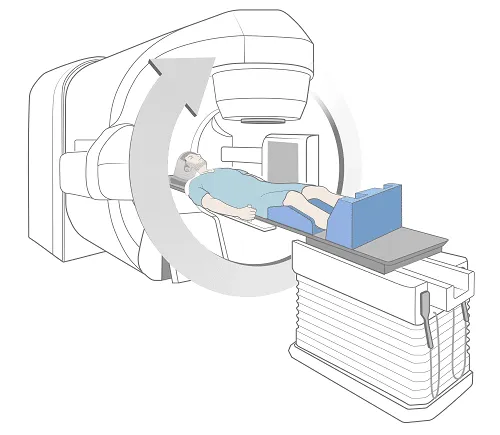
- Technological Revolution — Intensity-Modulated Radiation Therapy (IMRT):
- Precision: Through computer control, the intensity of the radiation beams can be modulated.
- Clinical Benefit: The widespread adoption of IMRT has reduced the incidence of severe, permanent dry mouth from >70% with conventional radiotherapy to <30%, vastly improving patients’ long-term quality of life and diminishing severe late effects like radiation-induced brain injury and hearing loss.
✅ This allows for “sculpting” the high-dose region to perfectly conform to the irregular shape of the tumor target, while creating a steep dose fall-off for adjacent critical structures like the parotid glands, temporal lobes, auditory organs, and brainstem, achieving exceptional protection.
The Core Auxiliary: Chemotherapy — The Synergistic “Combat Engineer”
- Radiosensitizer (Concurrent Chemoradiation): Used during the radiotherapy course to make tumor cells more sensitive to radiation, producing a synergistic “1+1>2” killing effect. This is a cornerstone for locally advanced disease.
- Systemic Cleaner (Induction/Adjuvant Chemotherapy): Used before (induction) or after (adjuvant) radiotherapy to eliminate radiologically invisible, potentially disseminated micrometastases, reducing the risk of distant recurrence—a key strategy informed by precise nasopharyngeal carcinoma staging.
- Primary Controller (Palliative Chemotherapy): In patients with metastatic disease, used to directly control systemic tumor growth.
- Common Regimens:
- Cisplatin: The cornerstone drug for concurrent chemoradiation, with proven efficacy.
- Gemcitabine + Cisplatin (GP Regimen): Holds a firm position as first-line therapy for recurrent/metastatic NPC, with high response rates.
- Paclitaxel/Docetaxel: Often used in second-line settings or in combination with cisplatin.
Precision Guidance: Targeted Therapy — The “Special Forces” Striking the Vital Point
Drugs are designed to precisely block specific “targets” (proteins or genes) that are overexpressed or relied upon by cancer cells, inhibiting their growth signals.
- Classic Target — EGFR (Epidermal Growth Factor Receptor):
- Background: Approximately 80-90% of NPC cases overexpress EGFR, which is associated with tumor proliferation, invasion, and resistance to chemo/radiotherapy, a key point in nasopharyngeal carcinoma pathology outlines.
- Representative Drugs:
- Cetuximab: Large-scale clinical trials have confirmed that adding it to radiotherapy or chemoradiation regimens can further improve outcomes for patients with locally advanced disease.
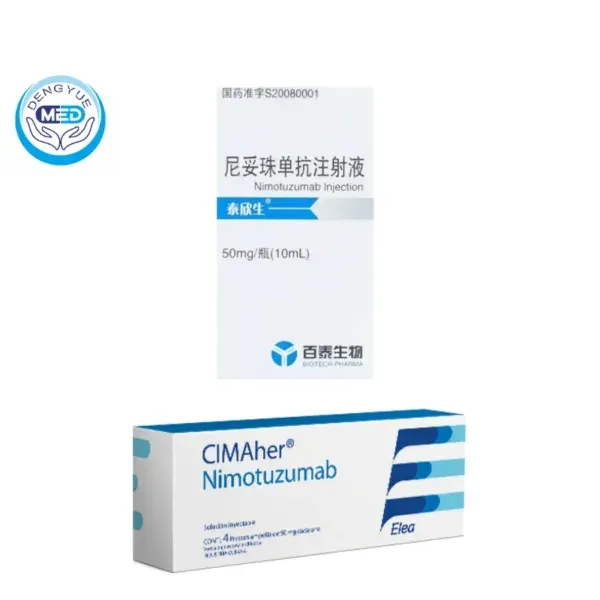
- Nimotuzumab (Taixinsheng): Approved in China for use in combination with radiotherapy for NPC, marking a significant milestone in targeted therapy for nasopharyngeal carcinoma in Chinese patients.
- Revolutionary Advancement — Antibody-Drug Conjugates (ADCs):
- Design Concept: Function like “biological missiles.” The antibody part precisely recognizes and binds to a target on the tumor cell surface (EGFR); the linker stably transports a potent cytotoxic drug; upon entering the cell, the drug is released, achieving efficient, low-toxicity precision killing.
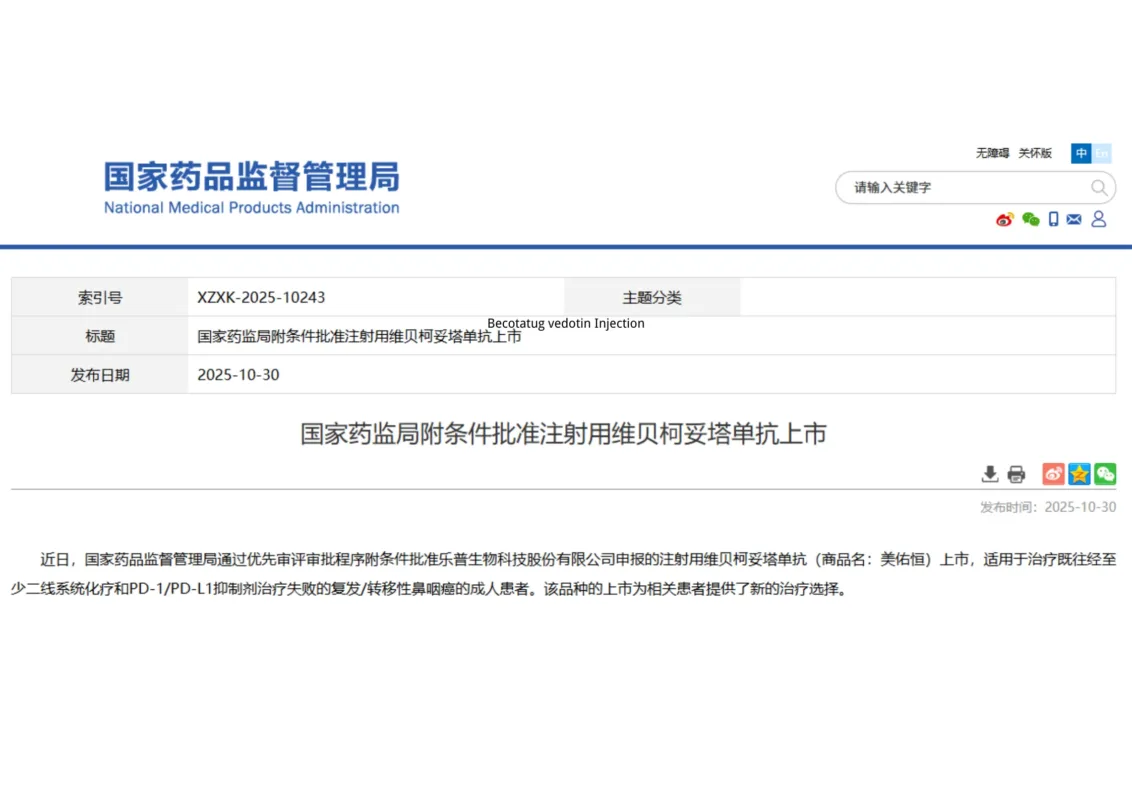
- Representative Drug — Becotatug Vedotin (Mei You Heng):
- As the world’s first approved EGFR-targeting ADC, it represents a major breakthrough in the field of nasopharyngeal carcinoma treatment.
- Indicated Population: Specifically for adult patients with recurrent/metastatic NPC who have failed at least two prior lines of systemic chemotherapy (including platinum-based regimens) and PD-1/PD-L1 inhibitor therapy. This provides a powerful new option for the “no treatment left” dilemma in later lines.
Empowering Immunity: Immunotherapy — The “Allied Reinforcements” Releasing the Brakes
Tumor cells exploit “brake” signaling pathways like PD-1/PD-L1 to inhibit attacks from the body’s immune T-cells. PD-1/PD-L1 inhibitors (e.g., Pembrolizumab, Toripalimab) release this “brake,” allowing the patient’s own immune system to recognize and attack cancer cells anew.
- Current Clinical Application:
- In recurrent/metastatic NPC, PD-1 inhibitors, either alone or combined with chemotherapy, have become standard first- or second-line treatment options, significantly prolonging patient survival.
- In China, several domestically developed PD-1 inhibitors, including Toripalimab (Tuoyi), Camrelizumab (Aruika), and Tislelizumab (Baize’an), are officially approved for NPC treatment, greatly improving drug accessibility.
- Research is exploring their integration into comprehensive treatment for earlier-stage (e.g., locally advanced) patients to further improve cure rates.

Camrelizumab – NSCLC | HongKong DengYue Medicine
- Generic Name/Brand Name: Camrelizumab
- Indications: NSCLC (Lung Cancer)
- Dosage Form: Injection
- Specification: 200 mg × 1 vial
Other Important Modalities: Surgery and Palliative/Supportive Care
- Surgery: Plays a limited but critical role in NPC management. It is primarily indicated for:
- Salvage neck dissection for persistent or recurrent neck lymph nodes after radiotherapy.
- Salvage nasopharyngectomy for residual or recurrent primary tumors in the nasopharynx post-radiotherapy (technically demanding, performed only in select major centers).
- Managing certain complications, like osteoradionecrosis of the jaw.
- Palliative and Supportive Care:
- Scope:
- Pain Management: Addressing cancer pain, such as from bone metastases, using standardized three-step analgesic ladder principles.
- Nutritional Support: Combating cancer cachexia and treatment-related issues like dysphagia and taste alterations through dietary guidance and enteral/parenteral nutrition.
- Symptom Control: Managing fatigue, nausea/vomiting, anxiety, depression, etc.
- Psychosocial Support: Providing psychological counseling and caregiving guidance for patients and their families.
- Scope:
✨ This is not about giving up treatment, but rather a specialized medical field that runs parallel to anti-tumor therapy, focusing on preventing and alleviating suffering and holistically improving quality of life.
From the precise navigation of staging to the sophisticated combination of radiotherapy, chemotherapy, targeted therapy, immunotherapy, and even ADC drugs, nasopharyngeal carcinoma treatment has entered a highly individualized and precise era.
Treatment decision-making resembles a complex military campaign, requiring a multidisciplinary team (MDT) to tailor the optimal strategy based on the tumor’s “molecular portrait” and the patient’s overall condition.
Conclusion
While nasopharyngeal carcinoma exhibits distinct epidemiological characteristics, it has now become one of the notable successes of modern medicine.
Its comprehensive diagnostic and treatment system, continuously innovative therapeutic approaches, and significantly improved survival rates together form a robust line of defense against this disease.
In this process, whether it is breakthroughs in basic research or the translation and application of innovative drugs, the collaboration of the entire healthcare ecosystem is indispensable.
This also includes global pharma partners such as Dengyue Medicine, which are committed to ensuring that innovative treatments can reliably and promptly serve healthcare systems and patients.
FAQ about Nasopharyngeal Carcinoma Treatment
What are the symptoms of nasopharyngeal carcinoma?
A lump in your neck caused by a swollen lymph node.
Bleeding from the nose.
Bloody saliva.
Double vision.
Ear infections.
Facial numbness.
Headaches.
Hearing loss.
How aggressive is nasopharyngeal carcinoma?
Survival by stage
Nasopharyngeal cancer is often aggressive, so it may grow and spread quickly. Generally, the earlier nasopharyngeal cancer is diagnosed and treated, the better the outcome.
What is the first presentation of nasopharyngeal carcinoma?
Swelling of the lymph nodes in the neck
What is the best treatment for nasopharyngeal carcinoma?
For small nasopharyngeal carcinomas, radiation therapy may be the only treatment needed.
For cancers that are larger or have grown into nearby areas, radiation therapy is typically combined with chemotherapy.