
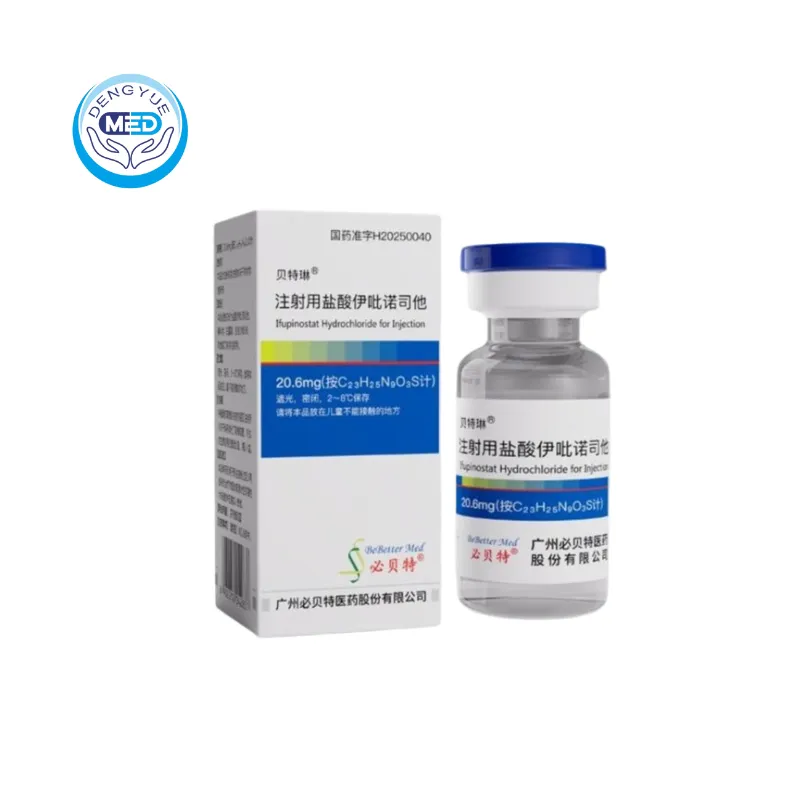
Beitelin (Ifupinostat) – R/R DLBCL | HongKong DengYue Medicine
- Generic Name/Brand Name: Ifupinostat / Beitelin®
- Indications: R/R DLBCL
- Dosage Form: Injection
- Specification: 20.6 mg × 1 vial/box
Ifupinostat Application Scope
It is indicated for the treatment of adults with relapsed or refractory diffuse large B-cell lymphoma (r/r DLBCL) who have previously received at least two lines of systemic therapy. This targeted therapy offers a novel option for patients with limited treatment choices, aiming to inhibit tumor growth and improve clinical outcomes in this difficult-to-treat population.
Ifupinostat Characteristics
Ingredients: Ifupinostat Hydrochloride
Properties: First-in-class dual HDAC & PI3Kα inhibitor
Packaging Specification: 20.6 mg (lyophilized powder for injection)
Storage: 2–8 °C, protect from light, do not freeze
Expiry Date: Refer to product label (commonly 24–36 months)
Executive Standard: NMPA-approved chemical drug (Class 1) standard
Approval Number: NMPA conditional approval (2025)
Date of Revision: See the latest package insert
Manufacturer: Guangzhou BeBetter Medicine Co., Ltd.
Guidelines for the Use of xxx
Dosage and Administration:
Recommended Dose: 18.5 mg/m²
Administration: Days 1, 3, 5, 8, 10, 12 of each cycle until progression or intolerance
Missed Dose: Follow the physician’s instructions; do not double-dose
Adverse Reactions:
Common Adverse Reactions:
Thrombocytopenia
anemia
neutropenia
fatigue
nausea
Serious Adverse Reactions:
Severe cytopenia
infection
bleeding
Contraindications: Hypersensitivity to components, severe uncorrected myelosuppression
Precautions:
- Monitor CBC
- liver/renal function
- infection signs
- use contraception during and after treatment
Ifupinostat Interactions
- It may interact with strong CYP enzyme inhibitors or inducers, which can affect its metabolism and plasma levels.
- Additionally, concurrent use with other myelosuppressive or anticoagulant medications can increase the risk of hematologic toxicity or bleeding.
- Close monitoring of blood counts and careful management of co-administered drugs are recommended to ensure patient safety.
Note:
- If there is a new packaging for the drug, the new packaging shall prevail. The above information is sourced from DengYue Medicine.
- This content is for reference only. Prescription drugs must be used under a doctor’s guidance and purchased from authorized sources.
Related products
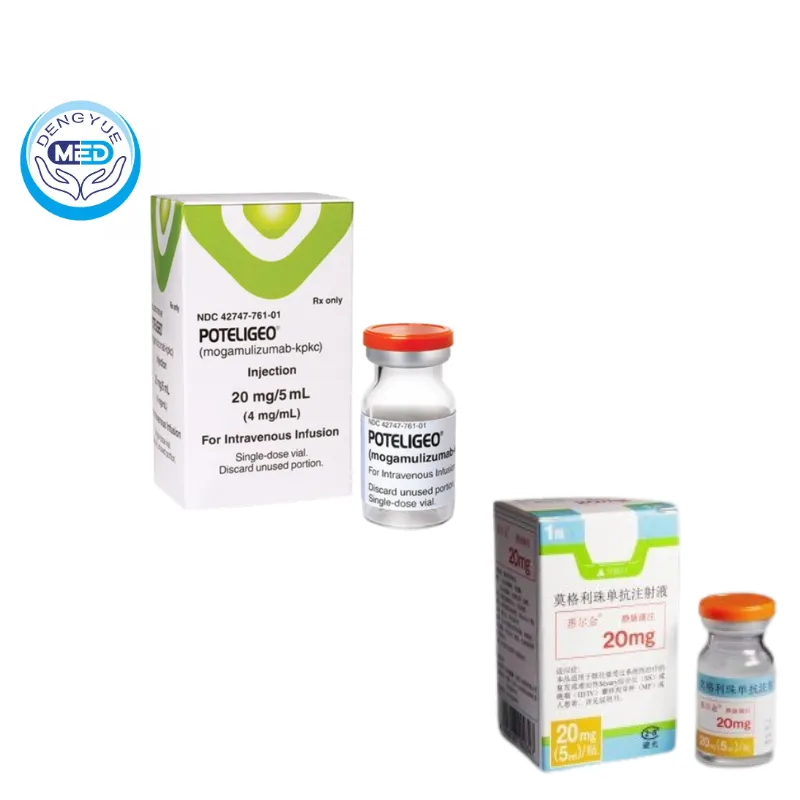
Poteligeo (Mogamulizumab) – CTCL | HongKong DengYue Medicine
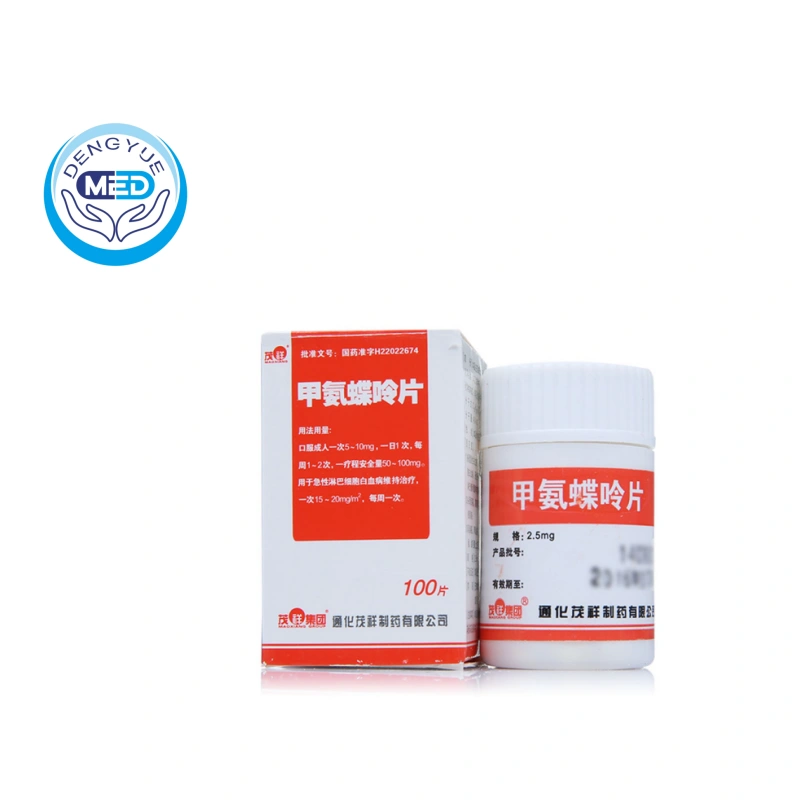
Methotrexate 2.5mg Tablets | Cancer Chemotherapy
.webp "mabthera rituximab")
Mabthera (Rituximab) – NHL/CLL | HongKong DengYue Medicine

Polivy (Polatuzumab Vedotin) – DLBCL | HongKong DengYue Medicine
Etoposide Soft Capsules | Ovarian Cancer | China Medicine Wholesaler

Monjuvi (Tafasitamab-Cxix) – Lymphoma|HongKong DengYue Medicine
Ciltacabtagene Autoleucel|Multiple Myeloma
Yintarui (Linperlisib) – R/R FL | HongKong DengYue Medicine
Reviews
There are no reviews yet.