
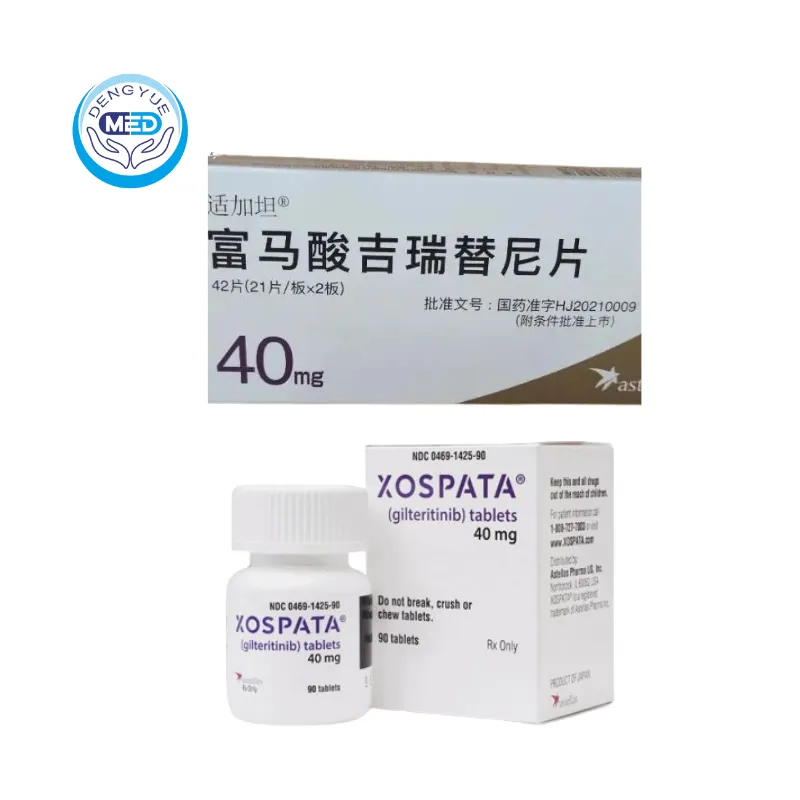
Xospata (Gilteritinib) – AML | HongKong DengYue Medicine
- Generic Name/Brand Name: Gilteritinib / Xospata®
- Indications: AML
- Dosage Form: Tablet
- Specification: 40 mg × 84 tablets/box
Gilteritinib Application Scope
Xospata is indicated for the treatment of adult patients with relapsed or refractory acute myeloid leukemia (AML) who have a FLT3 mutation, as detected by an FDA-approved test. It is an oral targeted therapy designed to selectively inhibit FLT3, a driver mutation associated with poor prognosis in AML, thereby providing an important treatment option for patients who have limited therapeutic alternatives.
Gilteritinib Characteristics
Ingredients: Active ingredient: Gilteritinib fumarate
Properties: Tyrosine kinase inhibitor targeting FLT3 and AXL
Packaging Specification: 40 mg film-coated tablets, blister packs
Storage: Store at 20–25°C (68–77°F); excursions permitted to 15–30°C (59–86°F)
Expiry Date: As indicated on the package (typically 24–36 months from manufacture)
Executive Standard: International pharmaceutical quality standard (ICH, GMP compliance)
Approval Number: Refer to local regulatory authority approval code (e.g., FDA, EMA, NMPA)
Date of Revision: As per the latest prescribing information update
Manufacturer: Astellas Pharma Inc.
Guidelines for the Use of Xospata
Dosage and Administration:
Recommended Dose: 120 mg orally once daily
Administration: Take at the same time each day, with or without food. Swallow tablets whole.
Missed Dose: If a dose is missed or vomited, take the next scheduled dose at the regular time. Do not double-dose.
Adverse Reactions:
Common Adverse Reactions:
Fatigue
Nausea
Diarrhea
Constipation
Elevated liver enzymes (ALT, AST)
Muscle/joint pain
Rash
Fever
Serious Adverse Reactions:
Differentiation syndrome
QT interval prolongation
Pancreatitis
Posterior reversible encephalopathy syndrome (PRES)
Contraindications: Known hypersensitivity to Gilteritinib or excipients
Precautions:
Monitor ECG and electrolytes for QT prolongation.
Assess for differentiation syndrome and initiate corticosteroids promptly if suspected.
Monitor liver function, pancreatic enzymes, and blood counts.
Use caution in patients with severe renal or hepatic impairment.
Gilteritinib Interactions
CYP3A4 inhibitors (e.g., ketoconazole, itraconazole, clarithromycin): May increase Gilteritinib exposure → risk of toxicity
CYP3A4 inducers (e.g., rifampin, carbamazepine, St. John’s Wort): May decrease Gilteritinib exposure → reduced efficacy
QT-prolonging drugs (e.g., amiodarone, sotalol, fluoroquinolones): Increased risk of cardiac arrhythmia
P-gp and BCRP substrates: Potential interactions; monitor closely
Note:
- If there is a new packaging for the drug, the new packaging shall prevail. The above information is sourced from DengYue Medicine.
- This content is for reference only. Prescription drugs must be used under a doctor’s guidance and purchased from authorized sources.
Related products
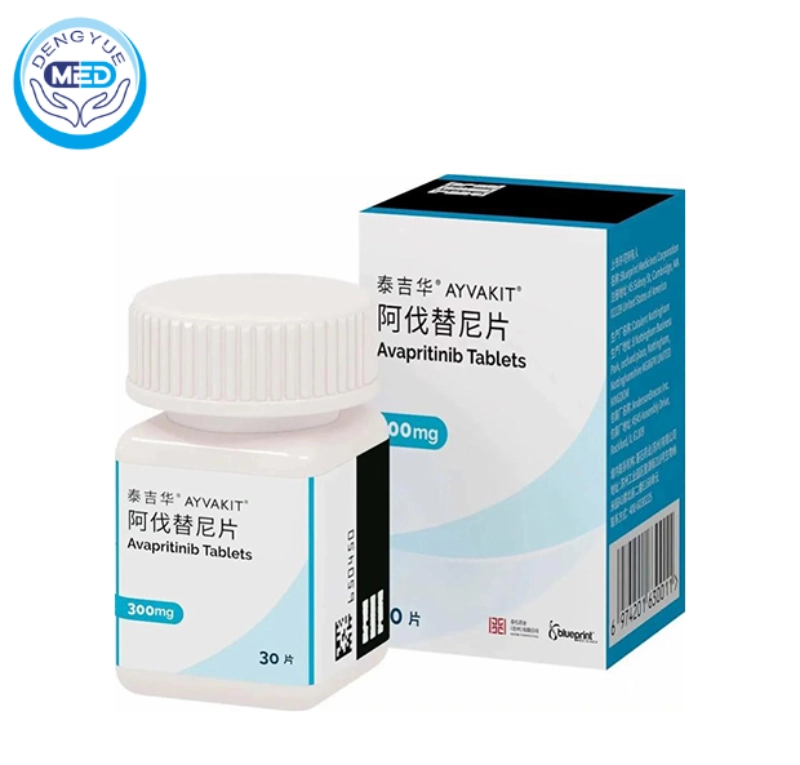
Ayvakit (Avapritinib) – Systemic Mastocytosis | HongKong DengYue Medicine
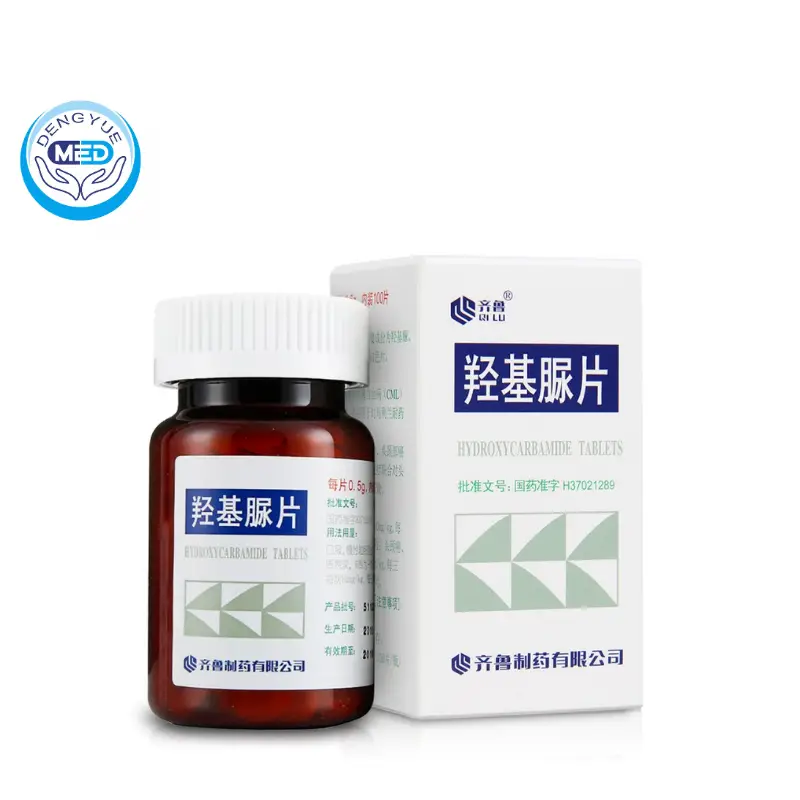
Hydroxycarbamide Tablets | Treatment of Leukemia

Vonicog Alfa|Hemophiliac|HongKong DengYue Medicine
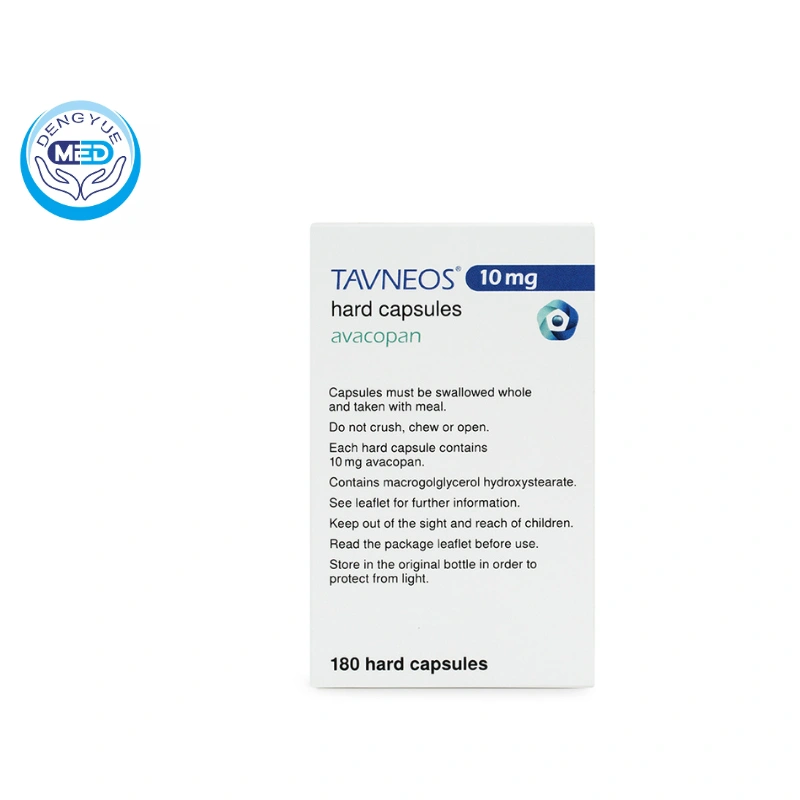
Avacopan|ANCA-Associated Vasculitis|HongKong DengYue Medicine

Azathioprine Tablets
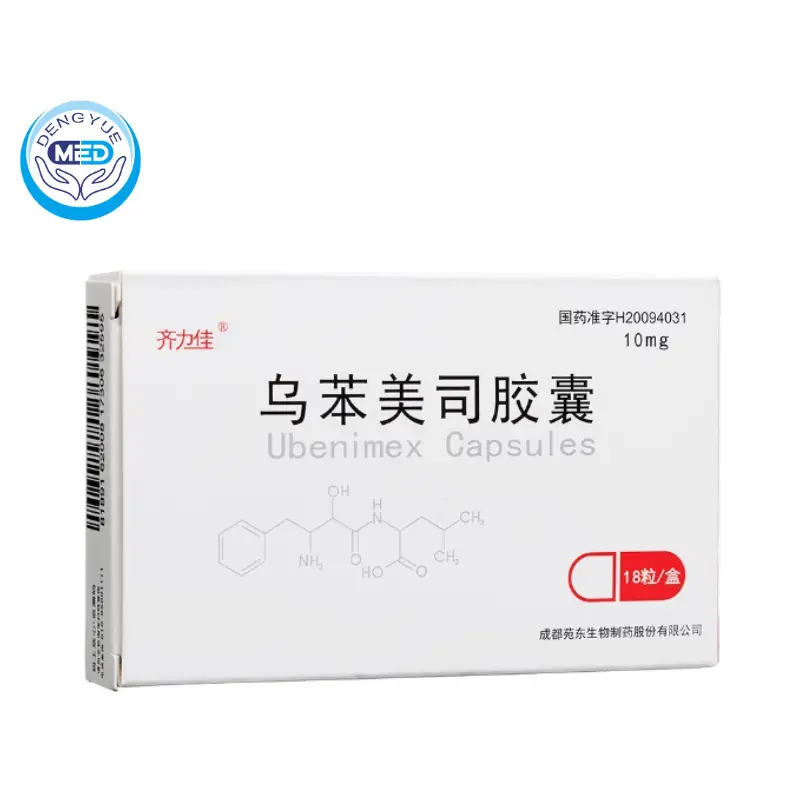
Ubenimex Capsules | Anti-Cancer Chemotherapy
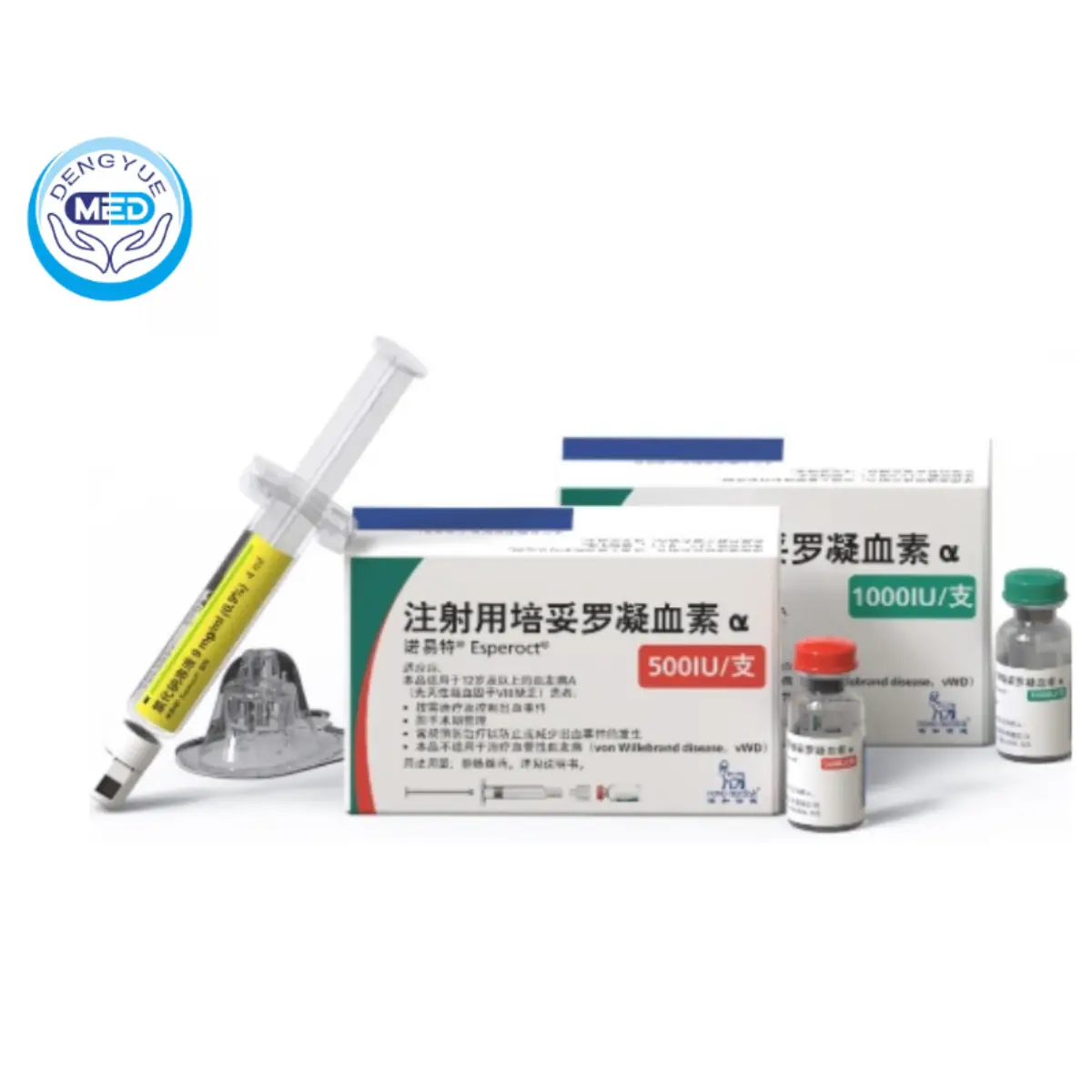
Turoctocog Alfa|Hemophiliac|HongKong DengYue Medicine
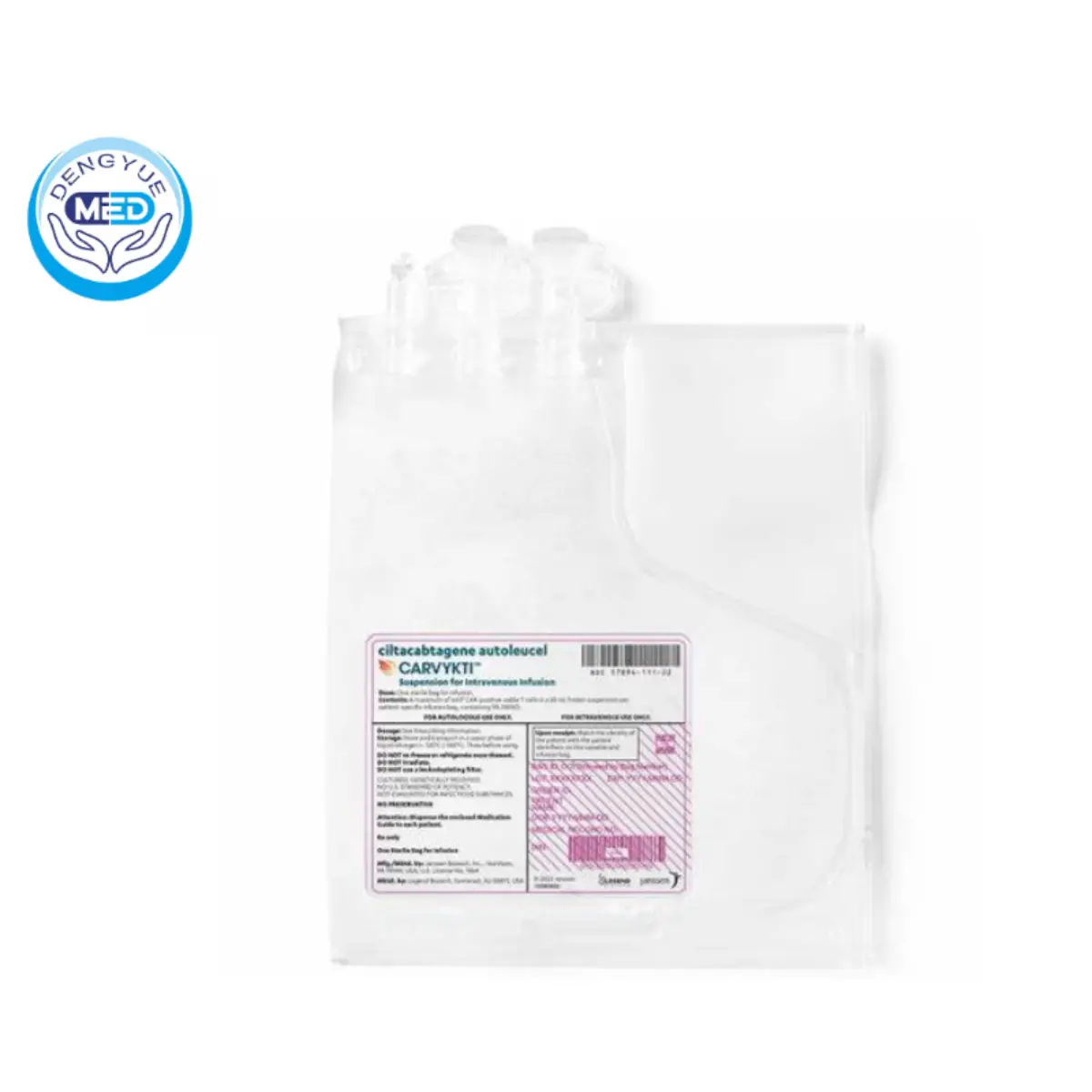
Ciltacabtagene Autoleucel|Multiple Myeloma
Reviews
There are no reviews yet.